In the competitive world of manufacturing, the importance of high-quality Machine Knives cannot be overstated. According to a recent report by Smithers Pira, the global demand for machine knives is expected to reach over $2.5 billion by 2026. This growth highlights the significance of precision tools in enhancing operational efficiency and product quality across various industries.
Machine knives are essential in sectors such as packaging, woodworking, and food processing. These tools influence not only production speeds but also material wastage. Reports indicate that using superior machine knives can reduce waste by up to 15%, ultimately impacting profitability.
However, not all machine knives are created equal. The right choice depends on specific applications and material types. Many companies still use subpar knives, leading to frequent replacements and increased costs. This calls for reflection on procurement strategies and the need for well-researched, reliable solutions.
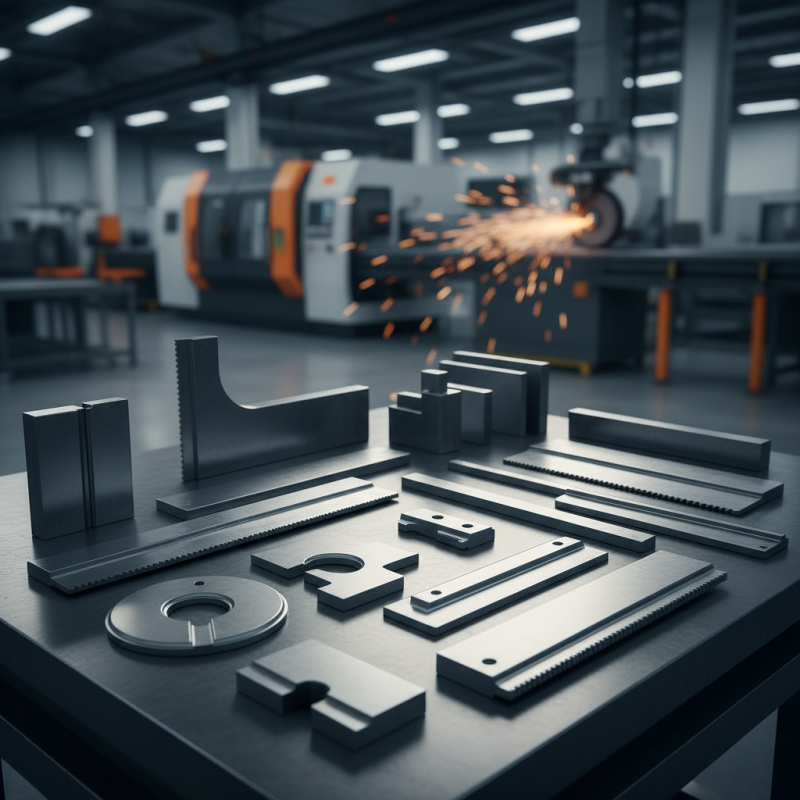
Machine knives play a vital role in various cutting solutions across industries. These tools are designed to enhance efficiency, precision, and overall productivity. In food production, machine knives ensure uniform cuts, which directly influences product quality. In manufacturing, they improve the neatness of edges, leading to better assembly results.
Understanding the importance of material and design is crucial. High-quality steel is often preferred for its durability and resistance to wear. However, not all machines require the same type of knife. Adjustments are often necessary based on the materials being processed. This highlights the need for expertise in selecting the right knife for specific tasks.
Improper selection can lead to poor performance and increased downtime. Some users may underestimate the wear and tear on machine knives, leading to subpar cutting results. Regular maintenance is essential. Periodic inspections help identify signs of damage. This ensures optimal function throughout the knife's lifespan. A commitment to quality in both the knives and maintenance process is fundamental for achieving desired outcomes.
This chart illustrates the popularity of different types of machine knives used in various cutting solutions across the globe. The data points represent the percentage usage of each knife type in various industries, reflecting their effectiveness and quality.
Machine knives play a crucial role in numerous industries. They are vital for achieving precise cuts and efficient processes. Understanding the different types can enhance productivity and quality.
In the packaging industry, you’ll find various types of machine knives.
These include straight blades and circular knives. Each type is designed for specific materials, like plastic or cardboard. Selecting the right knife affects the speed and accuracy of production. You might notice inconsistencies if the wrong knife is used.
Tip: Regularly inspect your knives. Dull blades can lead to waste and lower output quality.
The food processing sector relies heavily on specialized knives. Here, hygiene and efficiency are key. Knives are designed for cutting, slicing, and dicing. Stainless steel is often preferred for its durability and ease of cleaning. However, improper handling can damage the blades.
Tip: Ensure staff is trained in proper knife usage. This can prevent mishaps and injuries. A knowledgeable team makes a big difference.
Also, the recycling industry uses heavy-duty knives. These knives need to withstand tough materials. They are essential for breaking down recyclable products. Choosing the wrong knife can hinder operations.
Tip: Always assess your specific needs before purchasing. This ensures the right balance between cost and performance. Keep your operations running smoothly.
When selecting quality machine knives, several factors come into play. Users often overlook the significance of material. High-carbon steel is popular due to its sharpness and durability. However, it may rust if not cared for properly. Stainless steel provides corrosion resistance but may not retain edge sharpness as long. It's crucial to weigh the advantages and disadvantages of these materials.
Blade geometry is another vital consideration. A knife's shape affects performance and suitability for various tasks. For instance, certain angles are better for clean cuts, while others are designed for long-lasting sharpness. According to a recent industry report, 75% of users prefer blades that maintain sharpness over time. This highlights the importance of choosing the right geometry to minimize maintenance.
The knife's intended application cannot be ignored. Different industries require specific designs. Packaging, food processing, and textiles each have unique needs. Manufacturers should always assess the knife's purpose. Reports suggest that mismatched knives can lead to inefficiencies, thus increasing operational costs by up to 20%. Understanding these factors enhances decision-making and ultimately impacts overall production quality.
| Type of Machine Knife | Material | Size (mm) | Blade Thickness (mm) | Applications |
|---|---|---|---|---|
| Straight Blades | High-Speed Steel | 300 | 2.5 | Wood, Paper Cutting |
| Perforating Knives | Carbide | 200 | 1.8 | Textiles, Foils |
| Circular Knives | Stainless Steel | 150 | 3.0 | Paper, Plastics |
| Slitting Blades | Tool Steel | 250 | 2.0 | Metals, Cardboard |
| Shear Blades | Alloy Steel | 180 | 2.5 | Aluminum, Composites |
When searching for the best machine knives globally, quality is paramount. The right knives can enhance production efficiency and reduce waste. Many brands have established a strong reputation in this field. They focus on precision engineering and the use of durable materials. This ensures their knives remain sharp and reliable under heavy use.
Renowned brands understand the value of innovation. They continually upgrade their designs based on user feedback. However, not all blades meet expectations due to varying user needs. Some products may excel in one area but fall short in others, like durability versus sharpness. This reflects the complexity of achieving the ideal cutting solution.
Choosing a machine knife involves weighing the pros and cons. Users should consider their specific cutting needs and the materials they work with. A knife that performs beautifully in one environment might not suit another. Therefore, seeking advice from industry professionals can be beneficial. It helps to make an informed choice, reducing the chances of regret later on.
In 2023, machine knife technology is evolving rapidly. Enhanced materials and coatings are leading the way. Advanced steel alloys are becoming popular due to their durability. These materials increase the lifespan of cutting tools significantly. Additionally, anti-corrosion treatments are crucial. They protect knives in harsh environments.
Innovations focus on precision cutting. Laser cutting technology, for example, is gaining traction. This method ensures clean edges and reduces waste. Furthermore, automation is on the rise. Automated processes minimize human error and enhance efficiency overall. However, not all companies embrace these trends. Some stick to traditional methods, raising questions about competitiveness.
Sustainability is another key aspect. Eco-friendly manufacturing processes are emerging. Companies are now exploring recyclable materials. Nevertheless, the balance between quality and environmental impact is delicate. Many face challenges in aligning efficiency with sustainability goals. This ongoing struggle reflects the complexities of modern cutting solutions.
: Machine knives are essential for cutting solutions across industries, enhancing efficiency and precision.
High-quality steel is preferred for durability. However, the right knife varies with the materials processed.
Poor selection can lead to performance issues and increased downtime. Careful choice is essential for effectiveness.
Regular maintenance is crucial. Periodic inspections help identify damage and ensure optimal function.
Innovations include advanced steel alloys, laser cutting, and automation. These improve durability and efficiency.
Eco-friendly processes and recyclable materials are essential. However, balancing quality with environmental impact is challenging.
Laser cutting ensures clean edges and reduces waste significantly, enhancing overall cutting performance.
Many struggle to balance efficiency and sustainability goals. This reflects the complexities of today’s manufacturing landscape.
No, some companies still rely on traditional methods, which may affect their competitiveness in the market.
Machine knives are essential tools in various industries, playing a critical role in achieving precision and efficiency in cutting operations. From the food processing sector to packaging and paper manufacturing, the right machine knives are crucial for delivering high-quality results. Understanding the types of machine knives available and their specific applications helps businesses select the appropriate tools for their needs.
When choosing quality machine knives, factors such as material durability, blade design, and compatibility with machinery must be considered. As we move into 2023, innovations in machine knife technology continue to emerge, enhancing performance and sustainability. By staying informed about these trends, industries can ensure they are utilizing the best cutting solutions available, maximizing productivity and efficiency in their operations.

Shen Gong Carbide