10 Best Tungsten Carbide Circular Knives Suppliers

Time:2026-10-29 Author:Sophia
0%

Choosing a supplier for Tungsten Carbide Circular Knives is a practical decision, not just a price comparison. These blades may look similar in a catalog, yet differences in carbide grade, edge geometry, grinding quality, and dimensional tolerance can affect cutting consistency and service life. Small details matter.

This guide to 10 Best Tungsten Carbide Circular Knives Suppliers introduces companies to consider and the questions buyers should ask. Compare their stated specifications with your material, machine, cutting speed, and production volume. Ask how they verify dimensions, maintain batch consistency, and handle custom requirements. Where possible, review technical documents and test samples under real operating conditions. A polished product page is useful, but it cannot replace a suitable trial.

Supplier claims deserve careful checking. Not every supplier fits every application. A low quote may omit tooling support, inspection records, or clear delivery terms; a higher quote is not automatically better. Requirements also vary, and even a well-made knife may underperform when its geometry or grade does not match the job. That is worth remembering.

Use the comparisons as a starting point, then confirm details directly with each supplier. Look for specific answers, consistent documentation, and realistic guidance about limitations. The right choice should fit your process, budget, and quality needs—not merely a ranking on a page.
10 Best Tungsten Carbide Circular Knives Suppliers

Understanding Tungsten Carbide Circular Knives and Their Uses

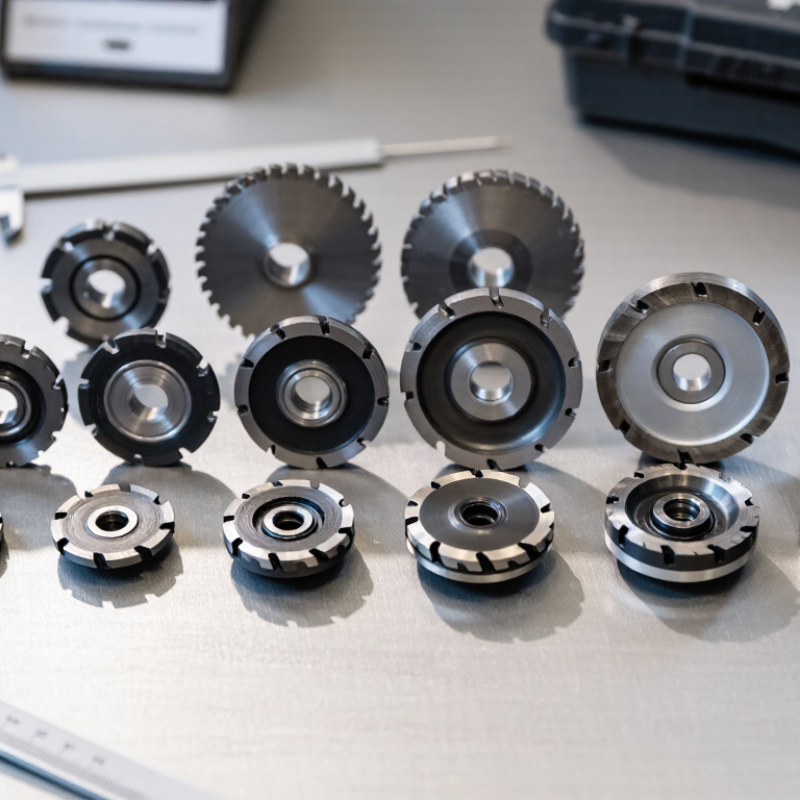
Tungsten carbide circular knives are precision cutting tools made from a very hard compound of tungsten and carbon. Their edges can stay sharp through long production runs, which helps maintain consistent cuts and reduce blade changes. They are used to slit paper, plastic film, foil, packaging materials, and some textiles. A clean edge matters. Ragged film edges can snag during winding, while uneven paper strips may cause trouble farther down the line.

The knife’s performance depends on more than its material. Diameter, thickness, edge angle, and carbide grade should suit the material and machine setup. For example, thin film often needs a fine, clean cut, while abrasive materials may require a more wear-resistant edge. Operators should also check blade alignment and cutting pressure; a costly knife cannot compensate for poor setup. Small details count.

Carbide is hard, but it can be brittle. A dropped blade or sudden impact may chip its edge, so careful handling and suitable storage matter. Dust, heat, and material buildup can also affect cut quality. Not every dull-looking edge needs the same response: inspect the cut and operating conditions before replacing a knife. The choice can be less obvious than it seems. A supplier should be able to explain specifications, tolerances, and sharpening options clearly.

How to Evaluate Tungsten Carbide Circular Knife Suppliers

Supplier evaluation should begin with the cut, not the catalogue. Ask for the carbide grade, grain size, binder composition, and hardness range. Then check blade diameter, thickness, bore tolerance, edge geometry, and measured runout. These details affect vibration, cut quality, and service life. Request inspection records and material traceability, not just a general quality certificate.

The USGS Mineral Commodity Summaries 2024 estimated global tungsten mine production at 78,000 metric tons in 2023. This is raw-material data, not a measure of knife quality. Still, it makes supply continuity and documented material sourcing useful questions. Ask suppliers how they control grinding, edge consistency, and batch variation. Compare sample knives on your own material and operating speed. A polished sample can look excellent; real production may tell a less tidy story.

Tips: Send suppliers the same cutting conditions and test several blades per sample. Record burrs, edge wear, downtime, and cut dimensions. Ask how they handle out-of-tolerance parts. No checklist catches every shop-floor surprise.

Ten Leading Suppliers of Tungsten Carbide Circular Knives

Ten leading suppliers of tungsten carbide circular knives are not all alike. A practical shortlist may include high-volume blade manufacturers, carbide tool specialists, custom slitting-knife producers, packaging-converting suppliers, paper-industry knife makers, film-cutting specialists, textile blade suppliers, metal-processing toolmakers, precision grinding shops, and application-focused distributors. Each may serve a different production need. Some handle standard diameters quickly; others engineer a knife around a specific arbor, material, or cutting speed.

Compare more than catalog size. Ask about carbide grade, edge geometry, runout tolerance, coating options, and sharpening support. A supplier should explain how these choices affect wear and cut quality. For example, a knife cutting abrasive laminate may need a different edge than one trimming thin film. Request dimensional drawings and inspection records, then confirm the sample on your own machine. Fit matters. A perfect-looking blade can still vibrate if its bore or balance is wrong. Lead time, minimum order quantity, and replacement consistency also matter, especially when production schedules are tight. Claims of long service life deserve scrutiny; actual results depend on material, setup, and maintenance. I would not choose on price alone, though budget pressure is real. Small details count.

Comparing Supplier Quality, Customization, and Support

When comparing ten tungsten carbide circular knife suppliers, look beyond hardness claims. Ask for the carbide grade, edge geometry, thickness tolerance, and inspection method. A useful supplier can explain how these choices affect cutting stability and wear. Request sample blades and check them on your actual material, speed, and machine setup. A clean cut on paper may not predict performance on dense film or abrasive stock. Small details matter. Runout, burrs, and uneven edges can cause visible defects or repeated stoppages.

Customization is valuable when it solves a defined production problem. Suppliers should confirm dimensions, mounting requirements, bevel angle, and coating options before quoting. Clear drawings and written tolerances reduce misunderstandings, though they do not guarantee a perfect first batch. Support matters after delivery, too. Compare response times, technical guidance, replacement procedures, and whether inspection records accompany orders. Ask how the supplier handles blades that fail to meet agreed specifications. Not always straightforward. A low quote can be tempting, but compare expected service life and downtime, not price alone. Keep trial results, including imperfect ones; they often reveal which specification needs another look.

10 Best Tungsten Carbide Circular Knives Suppliers - Comparing Supplier Quality, Customization, and Support

Comparison of ten common supplier profiles, not a verified ranking of specific companies. Capabilities vary by supplier; confirm specifications, documentation, and service terms directly before purchasing.

Supplier profile Typical product scope Quality evidence to request Customization potential Support to evaluate Best suited for
Precision grinding specialist Circular knives and slitting blades made to drawing or sample Inspection report for agreed dimensions, edge geometry, and runout Often suitable for custom dimensions and edge profiles; confirm minimum order requirements Technical drawing review and recommendations on grinding or edge options Buyers with tight dimensional or edge requirements
Carbide tool manufacturer Tungsten-carbide cutting tools, including circular knife formats Material grade details, dimensional checks, and batch traceability where available May offer grade, geometry, and finish choices depending on production capabilities Application guidance on carbide grade and cutting conditions Users seeking carbide material expertise
Slitting-knife specialist Knives for longitudinal slitting and web-converting operations Checks for bore, thickness, concentricity, and edge condition as specified Can be oriented toward machine-compatible dimensions and slitting setups Advice on knife fit, setup, and matching knife pairs when applicable Paper, film, foil, and other web-processing lines
Packaging-line knife supplier Circular blades for packaging and converting equipment Dimensional inspection against machine or customer specifications Replacement dimensions and selected edge configurations may be available Help identifying compatible knife dimensions and installation requirements Packaging operations replacing production-line blades
OEM-focused custom manufacturer Made-to-print components for equipment makers and repeat programs Documented drawing revision control and agreed inspection records Typically structured around customer drawings, samples, and scheduled orders Order planning, engineering coordination, and repeat-order communication OEMs needing consistent parts across production runs
Small-batch custom shop Prototype, replacement, and low-volume circular knives Sample inspection results and acceptance criteria agreed before production May accommodate one-off designs or modest quantities; verify feasibility first Direct engineering discussion and feedback on manufacturability Trials, repairs, and lower-volume requirements
High-volume production supplier Standardized or repeat-order knife designs produced in larger batches Batch inspection approach, lot identification, and consistency records Customization may be available once a design and production process are established Capacity planning, lead-time updates, and repeat-order coordination Regular demand where stable supply is important
Application-engineering-led supplier Knives selected or designed around a defined material and cutting process Written specification review and clear validation criteria for trials May adapt geometry or material selection to the application, subject to testing Process troubleshooting and structured trial follow-up Applications where cutting performance needs investigation
Distributor with sourcing network Catalog items and sourced custom knives from manufacturing partners Manufacturer identification, material documentation, and inspection records for the supplied lot Depends on the producing factory and the distributor's technical coordination Local ordering assistance, logistics, and replacement-part coordination Buyers who value purchasing convenience and local service
Regrinding and service provider Knife sharpening, reconditioning, and sometimes replacement supply Assessment of remaining knife condition and confirmation of post-service dimensions Service options depend on blade condition, geometry, and available material allowance Collection, return logistics, and guidance on service life and replacement timing Operations evaluating reconditioning alongside new purchases

Before ordering, confirm the knife dimensions, carbide grade, edge geometry, applicable inspection requirements, sample approval process, lead time, and after-sales terms in writing.

Choosing a Supplier for Your Cutting Requirements

Choosing a tungsten carbide circular knife supplier starts with the material you cut, not the catalog headline. Share the material type, thickness, machine speed, and expected production volume. A supplier should explain how blade diameter, bore size, thickness, and edge geometry match those conditions. Ask for evidence. Review dimensional tolerances and carbide grade, and check whether the supplier can provide inspection records for your order. A knife that looks correct may still run poorly if its bore or edge profile is off.

Discuss wear and chipping with the supplier using real operating details, such as abrasive filler, heat, or intermittent cutting. Confirm sharpening options, replacement lead times, and packaging that protects the edge in transit. Ask for a sample. Test it on your own machine and inspect cut quality, vibration, and wear after a measured production run. Compare results with your current blade, not just with a quoted lifespan. A low price can be tempting, but inconsistent dimensions may cost time during setup. No checklist catches every mismatch; recording test conditions helps, though it takes extra effort. Fit matters.

Typical Tungsten Carbide Hardness Ranges for Circular Knife Selection

Hardness is one factor to discuss with a supplier: harder grades can offer better wear resistance, while tougher grades may better withstand impact. These representative ranges are indicative only; actual properties vary by carbide composition and grain size. Confirm the specified grade’s datasheet for your application.

FAQS

What should I check before choosing a tungsten carbide circular knife supplier?

Ask for the carbide grade, grain size, binder composition, and hardness range. Request dimensional details, including diameter, thickness, bore tolerance, edge geometry, and measured runout. Paperwork matters.

Why does runout matter?

Excessive runout can cause vibration, uneven cuts, and visible defects. Check the stated tolerance and inspect sample blades on your own machine. A good-looking edge is not enough.

How can I compare sample blades fairly?

Give each supplier the same material, machine setup, and operating speed. Test several blades, then record burrs, edge wear, downtime, and cut dimensions. Real production can be less tidy.

Does tungsten supply information prove a knife is high quality?

No. Raw-material supply figures do not measure knife quality. Ask about material traceability, supply continuity, grinding controls, edge consistency, and batch variation.

When is a custom knife worth considering?

Consider customization when a standard blade does not fit your arbor or cutting task. Confirm dimensions, mounting requirements, bevel angle, and coating options in a drawing. Fit matters.

What inspection records should a supplier provide?

Request inspection records for agreed dimensions and tolerances, along with material traceability. Ask how out-of-tolerance blades are handled. A general certificate may not answer that.

How should I compare prices and expected service life?

Compare the quote alongside wear, replacement consistency, and production downtime. Service life depends on the material, setup, and maintenance. Cheap can cost more.

What support should I expect after delivery?

Ask about technical guidance, response times, replacement procedures, and records supplied with each order. Keep trial results, including imperfect ones. I still miss things.

Conclusion

Tungsten Carbide Circular Knives are valued for their hardness, wear resistance, and ability to deliver consistent cuts across demanding industrial applications. Understanding how these knives are made and used can help buyers identify the right blade type, dimensions, edge design, and material grade for their production needs. A careful supplier evaluation should consider manufacturing consistency, quality-control practices, technical expertise, customization options, lead times, and after-sales support.

This overview examines ten leading supplier options without focusing on brand names, and explains how to compare them according to quality, flexibility, and service. By assessing these factors alongside the materials being cut, operating conditions, and budget, buyers can make a more informed choice. The right supplier should provide dependable products and clear technical guidance, helping businesses select knives that suit their cutting requirements and support reliable, efficient operations.


Sophia

Sophia

Sophia is a dedicated marketing professional with an exceptional depth of knowledge about her company's products and services. With a keen understanding of market trends and customer needs, she crafts insightful blog posts that not only inform but also engage readers, enriching the company’s online......