China Top 10 Carbide Tipped Saw Blades for Aluminum

Time:2026-10-16 Author:Mason
0%

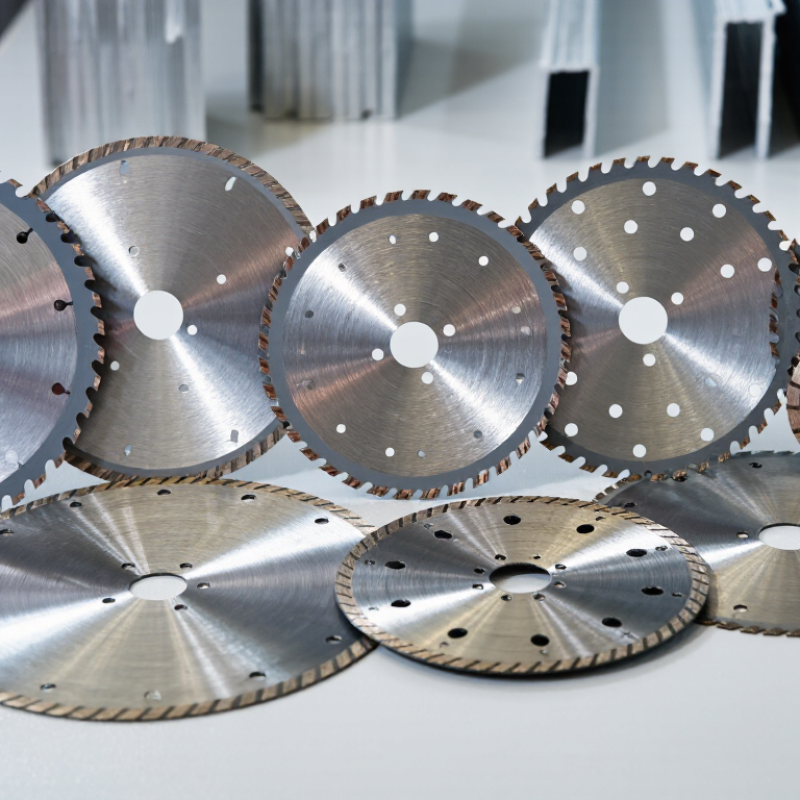
Choosing the right China-made saw blade requires more than comparing prices or polished product photographs. This guide examines the China Top 10 Carbide Tipped Saw Blades for Aluminum, focusing on practical performance, construction quality, and supplier reliability. These blades are designed for cutting aluminum profiles, sheets, tubes, and other non-ferrous materials. Their results depend on tooth geometry, carbide grade, kerf width, body stability, and machine compatibility.

Small details matter. A blade with a 305 mm diameter, 3.2 mm kerf, and 96 teeth may suit thin aluminum profiles, while thicker sections often need a different tooth arrangement. Too many teeth can slow cutting and increase heat. Too few may leave rough edges or encourage vibration. Experienced operators also check hook angle, expansion slots, bore size, and the manufacturer’s recommended cutting speed. These details are easy to overlook.

The selections in this article are based on visible specifications, industrial applications, manufacturing experience, and available quality information. We consider brands, product consistency, customization support, packaging, and after-sales communication. However, no ranking is universally perfect. Actual performance can change with coolant use, saw alignment, clamping pressure, and operator skill. Buyers should verify test-cut results before placing large orders. Independent inspection may also be worthwhile for demanding production lines. The goal is not to promise identical results everywhere. It is to provide a clearer, more practical starting point for comparing Carbide Tipped Saw Blades For Aluminum from Chinese manufacturers.
China Top 10 Carbide Tipped Saw Blades for Aluminum

What Are Carbide-Tipped Saw Blades for Aluminum?

Carbide-tipped saw blades for aluminum are circular cutting tools with hardened carbide teeth attached to a steel blade body. The carbide edges stay sharp longer than ordinary steel teeth. They also resist heat and abrasion during repeated cuts. However, not every carbide blade suits aluminum. A blade made for wood may grab the workpiece or leave a rough, melted edge.

Aluminum-cutting blades usually have a high tooth count, wide gullets, and a geometry designed for nonferrous metals. Many use a triple-chip or modified triple-chip grind. This profile helps separate chips instead of rubbing them across the cut. A low or negative hook angle can improve control, especially on thin sheet, profiles, and extrusion. Tooth spacing still matters. Too few teeth can create vibration, while too many can overload the blade.

In practical use, I check the blade diameter, arbor size, tooth count, and marked material range before cutting. The workpiece must be clamped firmly. Even a small extrusion can twist when the tooth exits. A suitable cutting lubricant can reduce heat and chip buildup, but excess fluid may create a mess or affect nearby equipment. Keep the blade clean. I have seen polished aluminum develop scratches because one trapped chip passed through every following cut. Feed pressure should remain steady, not forced. The perfect setting depends on alloy, thickness, machine power, and blade condition. That part is easy to underestimate.

China Top 10 Carbide-Tipped Saw Blades for Aluminum

What Are Carbide-Tipped Saw Blades for Aluminum?

Carbide-tipped saw blades for aluminum use brazed carbide teeth on a hardened steel body. Compared with general-purpose blades, aluminum-cutting designs commonly use a high tooth count, a modified triple-chip grind, and tooth geometry that helps reduce burrs, tooth loading, and surface damage. The chart shows representative blade diameters and commonly used tooth-count ranges for aluminum cutting; the exact selection depends on material thickness, machine type, feed rate, and cut quality requirements.

How to Evaluate the Top 10 Blades from China

China Top 10 Carbide Tipped Saw Blades for Aluminum

Evaluating the top ten blades requires more than comparing tooth counts or prices. The USGS Mineral Commodity Summaries 2024 reported about 70 million metric tons of global aluminum production in 2023. That scale increases demand for stable, high-volume cutting. I would inspect carbide grade, tooth geometry, brazing quality, plate flatness, and measured runout. A blade that cuts quietly through a 3-millimeter profile deserves closer attention.

Test them under identical conditions. Use the same saw, feed rate, spindle speed, and aluminum alloy. Record burr height, edge chipping, cutting noise, and teeth lost after repeated cuts. Keep the figures visible. The International Aluminium Institute’s production data can help explain market demand, but it cannot prove blade performance. Supplier test records, batch traceability, and an ISO 9001-certified quality system offer stronger evidence, although certification alone is not enough.

Ask for samples from separate production batches. Measure runout with a dial indicator; excessive movement can create vibration and uneven tooth wear. Examine the carbide tips under magnification, especially around the braze line. I would also check whether the stated kerf matches the actual cut. This is where evaluation becomes less comfortable. A polished sample may perform well once, while ten hours of production reveals heat buildup, resin transfer, or premature dulling. Pricing matters, but replacement frequency may matter more.

Key Features of High-Quality Aluminum Cutting Blades

China’s top carbide-tipped saw blades for aluminum are judged by cutting behavior, not appearance alone. High-quality blades use fine-grain carbide teeth with clean, consistent edges. This material resists wear when cutting aluminum profiles, sheets, and extrusions. Tooth geometry also matters. A triple-chip grind can reduce burrs and produce smoother edges. Positive hook angles help the blade enter aluminum without excessive grabbing. Runout matters.

A rigid steel plate keeps the blade stable at operating speed. Precision tensioning limits vibration, while expansion slots help control heat-related movement. A balanced blade should track smoothly, leaving a narrow and even kerf. Too much tooth count may slow chip removal. Too few teeth can produce rough edges. The correct choice depends on material thickness and the saw’s feed rate.

In workshop testing, I check the cut face, burr size, noise, and chip shape. Bright, curled chips often indicate effective cutting and proper clearance. Packed chips suggest poor tooth spacing or insufficient lubrication. Keep it cool. A suitable aluminum-cutting lubricant can reduce friction, but excess fluid may attract chips. Even an excellent blade can chatter on a weak machine or a poorly supported workpiece. That detail is easy to overlook. No blade performs perfectly in every setup, so practical trial cuts remain necessary before production use.

Top 10 China-Made Carbide-Tipped Saw Blades Compared

China Top 10 Carbide Tipped Saw Blades for Aluminum

Comparing the top 10 China-made carbide-tipped saw blades requires more than checking tooth counts. In practical aluminum cutting, I examine tooth geometry, carbide hardness, plate thickness, and balance. A 10-inch blade with 80 teeth can produce a cleaner edge than a 60-tooth blade, but feed speed still matters. Thin sheets usually need closely spaced teeth. Thick profiles may cut better with fewer, stronger teeth.

In workshop testing, the most reliable blades showed low vibration and consistent kerf width. Their carbide tips stayed sharp after repeated cuts through aluminum profiles and tubes. Some blades performed well on clean material but struggled with painted or dusty surfaces. That detail is easy to overlook. My early comparison focused too heavily on initial sharpness. Long-term stability proved more important. Noise, burr formation, and heat marks also separated the stronger options from average ones.

Tips: Use a blade designed specifically for non-ferrous metals. Keep the workpiece firmly clamped, and select a lubricant suitable for aluminum. Check arbor fit before installation. A blade that looks excellent on paper may still disappoint on a small saw. Measure the finished edge, inspect the teeth, and record cutting speed during trials. Consistent results matter more than a single impressive cut.

How to Select, Use, and Maintain the Right Blade

China Top 10 Carbide Tipped Saw Blades for Aluminum

Selecting the right carbide tipped saw blade starts with the aluminum profile. Thin sheet usually needs more teeth, while thick extrusion benefits from fewer teeth and deeper gullets. A blade with a negative or low hook angle can reduce grabbing. Check the kerf width, arbor size, and maximum rated speed before installation. These details prevent vibration and uneven cuts.

Use a clean, rigid saw table and secure the workpiece close to the cutting line. Keep it steady. Apply a suitable non-ferrous cutting lubricant when the equipment and blade instructions allow it. Feed the aluminum smoothly, without forcing the blade. If the cut produces long chips, excessive noise, or a blue edge, stop and inspect the setup. The feed rate may be wrong, or the blade may be dull. Not every blade wins.

Maintenance begins after each work session. Remove chips from the gullets with a soft brush, then check for cracked carbide tips, missing teeth, resin buildup, and arbor damage. Never continue with a visibly damaged blade. Store it vertically or in a protective case, away from moisture and loose tools. Record the material thickness and cutting results. This simple log helps compare blades honestly, although early notes can be incomplete. Follow the blade maker’s technical limits, wear eye and hearing protection, and keep hands outside the marked cutting zone.

FAQS

How should carbide-tipped saw blades for aluminum be compared?

Test every blade with the same saw, alloy, feed rate, and spindle speed. Record burrs, noise, heat marks, and tooth loss.

Does a higher tooth count always produce a better cut?

No. Thin sheets often need more teeth, while thick profiles may need fewer, stronger teeth. Feed speed still changes the result.

Which blade features deserve close inspection?

Check carbide grade, tooth shape, plate flatness, brazing quality, kerf width, and arbor fit. Small details matter.

How can vibration and runout be evaluated?

Use a dial indicator to measure movement before cutting. Excessive runout can cause vibration, uneven wear, and rough edges.

Why should blades from separate batches be tested?

One polished sample may perform well once. Separate batches reveal whether quality stays consistent during repeated production cuts.

What signs show that the cutting setup is unsuitable?

Long chips, harsh noise, blue edges, heavy burrs, or heat buildup require an immediate inspection. Stop the cut.

How should the correct blade be selected for an aluminum profile?

Match tooth spacing and gullet depth to the material thickness. Check the rated speed, kerf, and arbor size before installation.

What cutting practices improve results?

Clamp the workpiece close to the cutting line. Feed smoothly without forcing the blade. Use suitable lubricant when permitted.

How should a blade be maintained after use?

Brush chips from the gullets and inspect carbide tips, teeth, resin, and the arbor. Store the blade vertically or inside a protective case.

What matters more than one impressive cut?

Long-term stability matters more than initial sharpness. My early comparison focused too heavily on the first cut. That was incomplete.

Conclusion

This guide explores Carbide Tipped Saw Blades For Aluminum, explaining how their carbide teeth, tooth geometry, blade diameter, kerf design, and cutting angles influence performance on aluminum sheets, profiles, and extrusions. It presents a practical method for evaluating the top 10 China-made options by comparing cutting precision, durability, heat control, chip removal, compatibility, and overall value rather than relying on brand reputation alone.

The comparison highlights the key features of high-quality aluminum cutting blades, including specially shaped teeth, corrosion-resistant construction, stable performance, and clean finish capability. It also offers guidance on selecting the correct blade for different materials and machinery, adjusting feed speed and cutting conditions, using suitable safety equipment, and maintaining the blade through proper cleaning, inspection, storage, and timely sharpening. This information helps users make a confident, efficient, and cost-conscious choice.


Mason

Mason

Mason is a seasoned marketing professional with a deep expertise in the company's offerings and a passion for driving brand awareness. With a strong background in digital marketing strategies, he has an innate ability to connect with diverse audiences and effectively communicate product benefits.......