How to Choose the Best Circular Knives for Your Business Needs?

Time:2026-07-18 Author:Madeline
0%

Choosing the right tools for your business is critical. Among those tools, Circular Knives play a vital role in various industries. Reports indicate that the market for circular knives is projected to reach $1.2 billion by 2027, with a growth rate of 4.5% annually. This highlights their increasing importance in sectors like packaging, textiles, and manufacturing.

Understanding your specific needs is crucial. For instance, different materials require different knife types. A blade suited for slicing paper differs from one designed for cutting rubber. Hence, analyzing material compatibility is key. Additionally, over 30% of businesses report challenges in maintaining their cutting tools. This points to the necessity of investing in quality Circular Knives that provide longevity and efficiency.

It's essential to reflect on the long-term benefits of a well-chosen Circular Knife. While initial costs might deter some, they significantly affect operational productivity and waste reduction. Quality knives reduce replacement frequency and improve workflow. Therefore, the decision should encompass not only immediate needs but also future implications for your business.
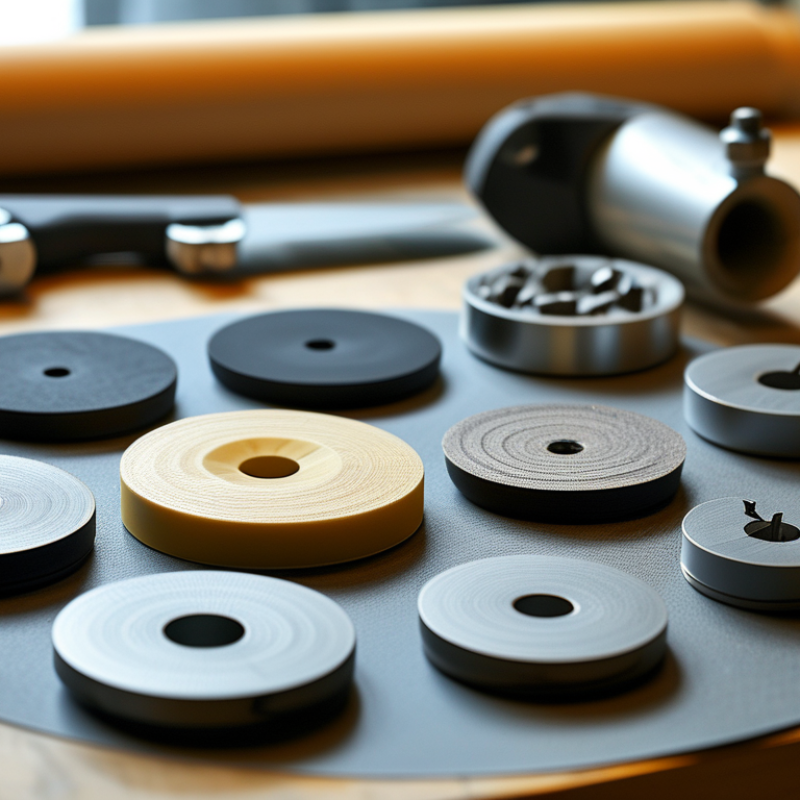
How to Choose the Best Circular Knives for Your Business Needs?

Understanding the Different Types of Circular Knives Available

Choosing the right circular knife is essential for optimizing production efficiency in your business. Understanding the different types of circular knives can guide you in making informed decisions. There are several categories based on their application, such as scoring knives, cutting knives, and slitting knives. Each serves a unique purpose, so it's crucial to know what you need.

Tips: Consider the material you'll be cutting. Different knives work best with specific materials. For example, a knife designed for paper is not ideal for thick plastic. Be cautious of the knife's compatibility with your machinery.

Another factor to consider is the knife's diameter. Smaller diameter knives provide more precision, while larger ones are better suited for heavy-duty tasks. Understanding these specifications will help you select a knife that fits your production needs. Reflect on your current workflow to assess if there's a mismatch in knife types. Innovating your tools may maximize productivity and reduce wastage.

Tips: Regular maintenance of your circular knives is vital. Dull knives can lead to inefficiencies and increase production time. Evaluate your tools frequently to ensure they remain sharp and effective.

Key Factors to Consider When Choosing Circular Knives

Choosing the right circular knives for your business hinges on several key factors. First, consider the material of the blade. Stainless steel offers durability and resistance to corrosion, while high-speed steel can provide excellent wear resistance. The choice often depends on the specific materials your business frequently processes.


Next, evaluate the knife's geometry. The design of the blade affects cutting efficiency and product quality. A sharp edge enhances performance, but it may require more frequent sharpening. Blades with unique profiles might suit specific tasks better, leading to improved productivity.


Don't overlook the diameter of the knife. Circular knives come in various sizes, and selecting the appropriate diameter impacts how well the knife performs. A larger knife may cut through thicker materials more easily, but it can be harder to handle.

Consider your staff’s experience and the equipment used. Lastly, assess compatibility with existing machinery. Mismatched knives can lead to inefficiencies and increased costs. Balancing these factors ensures you make an informed decision that aligns with your operational needs.

Evaluating Material and Durability for Circular Knives

When selecting circular knives for your business, evaluating material and durability is crucial. High-quality materials significantly influence longevity and performance. Stainless steel is a popular choice due to its resistance to corrosion and wear. However, it can be challenging to maintain sharpness over time. Consider the trade-offs between hardness and ease of sharpening. Tungsten carbide is another option, offering superior durability but at a higher cost.

The durability of the knife affects its effectiveness in various applications. Not all tasks require the same knife thickness or edge type. Softer materials may work well for flexible products, while tougher materials are better for rigid tasks. Understanding your specific needs prevents wasteful purchases. Look into user reviews and industry feedback for insights on long-term performance.

Regular maintenance is often overlooked but vital. Even the best materials require care to maintain their cutting efficiency. Sharpening, cleaning, and storing knives properly can extend their lifespan. This reflects a commitment to quality and efficiency in your business. Investing time in understanding these aspects can prevent costly mistakes in the future.

Assessing Size and Shape for Specific Cutting Requirements

When selecting circular knives, size and shape are critical factors. Different cutting tasks require specific dimensions to achieve optimal results. A larger diameter might be necessary for thicker materials, while smaller circles fit better in tighter spaces, ensuring accuracy.

The shape of the knife also matters. A straight edge can provide a clean cut for paper or fabric. In contrast, a serrated edge might work best with tougher materials, allowing for a smooth glide through resistance. Consider the type of material you frequently cut. This assessment will greatly influence your choice.

It's important to reflect on your specific needs. Sometimes, businesses overlook the significance of precision and durability. The wrong choice may lead to frequent replacements or inconsistent cuts. Investing time in understanding your requirements will pay off in the long run. Proper assessment can prevent costly mistakes and enhance productivity.

Identifying Trusted Suppliers and Brands for Quality Knives

When selecting circular knives, finding trusted suppliers is crucial. High-quality knives enhance productivity and safety in any business. Research suppliers thoroughly. Look for companies with a solid reputation in the industry. User reviews often provide valuable insights into product quality and service levels. Seek out websites that focus on industrial tools. They can offer credible comparisons and recommendations.

Consider the experience of the suppliers. Established brands typically have a track record of reliability. However, new entrants can also surprise you with innovative designs. Don't ignore local suppliers; they may offer customized options. Evaluate their customer service as well. A responsive supplier will help address issues efficiently.

Additionally, reflect on the materials used in knives. Premium materials often lead to better performance and longevity. However, some knives may come with a high price tag. Balancing cost and quality can be challenging. Always ask for samples when possible. This step can help you identify the best fit for your business needs. Quality should never be compromised.

Comparison of Circular Knife Types by Usage Frequency

FAQS

: What materials are recommended for circular knives?

: Stainless steel is durable and resistant to corrosion. High-speed steel offers excellent wear resistance.

How does knife geometry influence cutting performance?

The blade design affects efficiency. A sharp edge improves performance but needs more frequent sharpening.

What size should I choose for a circular knife?

Larger knives cut thicker materials easily but can be harder to handle. Consider your staff's experience.

Why is compatibility with machinery important?

Mismatched knives can lead to inefficiencies and increased costs. Ensure your choice aligns with existing equipment.

How does maintenance affect the longevity of circular knives?

Regular sharpening, cleaning, and proper storage are vital. Care extends the lifespan and maintains cutting efficiency.

What shape of knife is best for specific materials?

A straight edge works for paper, while a serrated edge suits tougher materials. Choose based on your common tasks.

How does durability impact knife selection?

Durability varies with materials and affects effectiveness. Softer materials suit flexible products, harder ones are for rigid tasks.

Why should businesses reflect on their cutting needs?

Overlooking precision can lead to frequent replacements and inconsistent cuts. Proper assessment prevents costly mistakes.

What are the trade-offs between hardness and sharpening ease?

Harder materials may last longer but can be harder to sharpen. Consider your maintenance capabilities and needs.

Conclusion

When selecting circular knives for business needs, it's crucial to understand the various types available, as each type serves different cutting purposes. Key factors to consider include the material and durability of the knives, as these attributes significantly influence performance and longevity. Additionally, the size and shape of the circular knives must align with specific cutting requirements to ensure efficiency and precision.

Finding trusted suppliers and brands is also essential for obtaining quality circular knives. By conducting thorough research and evaluating all these aspects, businesses can make informed decisions that enhance productivity and ensure they have the right tools for their operations. Ultimately, a careful selection process will lead to better outcomes in various applications involving circular knives.


Madeline

Madeline

Madeline is a dedicated marketing professional with a wealth of expertise in our company's core offerings. With a keen understanding of the industry, she brings a unique perspective to her role, consistently delivering high-quality content that highlights the superior aspects of our products. As......