2026 How to Choose the Best Cemented Carbide Trimmer Blades?

Time:2026-06-16 Author:Aria
0%

When navigating the world of "Cemented Carbide Trimmer Blades," it’s crucial to seek expert advice. John Smith, a leading authority in cutting tools, stated, “Choosing the right trimmer blade can greatly impact your project's success.” His insight highlights the importance of selecting the best products available.

Choosing the right "Cemented Carbide Trimmer Blades" is not simply a matter of preference. It requires knowledge of materials and their applications. These blades are known for their durability and precision. However, not all blades are created equal.

Many users may overlook specific features that can enhance performance. Understanding the differences in coatings or geometries can be challenging. Each choice influences cutting efficiency and longevity. Reflecting on your past choices may reveal areas for improvement. Quality and specifications matter in achieving the best results.
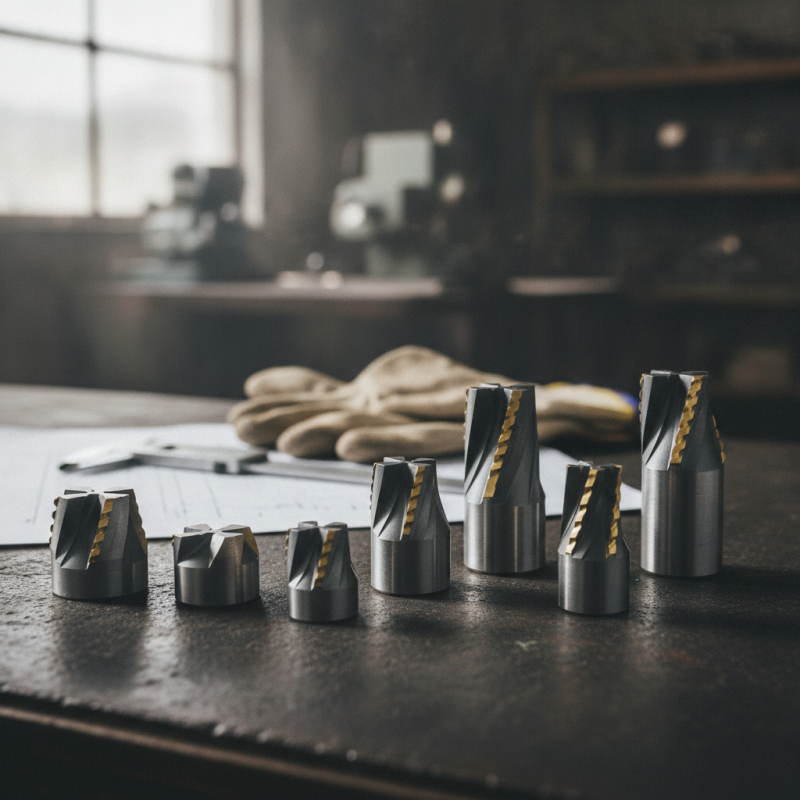
2026 How to Choose the Best Cemented Carbide Trimmer Blades?

Understanding Cemented Carbide: Composition and Properties of Trimmer Blades

Cemented carbide is an alloy known for its hard qualities. Its composition mainly includes tungsten carbide combined with cobalt. This blend creates a durable material ideal for various applications. Trimmer blades made from cemented carbide can retain sharpness longer than traditional materials. This property enhances cutting efficiency and reduces downtime.

The unique properties of cemented carbide include high resistance to wear and thermal stability. These factors make the blades suitable for cutting tougher materials. However, not all cemented carbide is equal. Variations in composition can affect performance. It's essential to consider factors like grain size and cobalt content when choosing blades. Smaller grain sizes usually mean higher hardness, which can lead to a better cutting edge.

Understanding these nuances can prevent costly mistakes. Some users may overlook the importance of testing different blades. Practical experience often reveals what specifications fit their specific needs. It's worthwhile to experiment to find the most effective option for your projects.

Key Factors in Selecting Cemented Carbide Trimmer Blades for Specific Applications

Selecting the right cemented carbide trimmer blades is crucial for achieving optimal results in various applications. Several key factors influence this decision. First, consider the specific material you will be working with. Different materials require different blade characteristics. The hardness and toughness of the material can dictate the appropriate grade of carbide.

Another vital aspect is the blade geometry. The shape and angle of the cutting edges impact performance. For instance, steep angles improve precision, while wider angles may enhance durability. It’s essential to balance these aspects based on your unique requirements.

Tips: Always assess the application environment. An outdoor setting may expose blades to more wear, requiring a tougher variant. Also, consult with industry professionals for insights on the latest advancements. Their expertise can guide your choices effectively.

Don’t overlook the importance of maintenance. Well-maintained blades perform better and last longer. Regular sharpening can keep them in prime condition. However, finding the right maintenance schedule can be challenging. Reflect on your usage patterns to determine the optimal frequency for upkeep.

2026 How to Choose the Best Cemented Carbide Trimmer Blades?

This chart depicts the key factors in selecting cemented carbide trimmer blades based on their importance rating for specific applications. A higher score indicates greater importance in the selection process.

Comparative Analysis: Performance Metrics of Different Cemented Carbide Types

When selecting cemented carbide trimmer blades, performance metrics are crucial. Different types of cemented carbide exhibit varied attributes affecting cutting efficiency and durability. Tungsten carbide is commonly recognized for its hardness, providing exceptional wear resistance. Cobalt content in carbide blades can enhance toughness, vital for specific applications. However, too much cobalt might lead to reduced cutting performance in harsh conditions.

A comparative analysis reveals that grain size significantly influences performance. Fine-grained carbide tends to offer sharper edges, yielding cleaner cuts. Coarse-grained options can withstand higher impact but may dull faster. It’s essential to assess your specific cutting tasks when choosing the right blade.

Tips: Consider the material you're working with. Softer materials might benefit from fine-grained blades. Ensure to match the blade hardness with the type of workpiece for optimal results. Test different options to find your ideal balance between durability and cutting precision. Experimentation can reveal the best choice for unique project requirements.

Cost-Benefit Evaluation: Long-Term Durability vs. Initial Investment in Blades

Choosing the right cemented carbide trimmer blades involves careful consideration of long-term durability against initial investment. While high-quality blades may cost more upfront, their lifespan can lead to savings over time. A durable blade reduces the need for frequent replacements, ensuring consistent performance and less downtime.


However, it's essential to evaluate your specific needs. Some users may prioritize short-term savings over longevity, leading to frequent purchases of cheaper blades. This approach might seem economical initially but can become costly. If your work demands precision and reliability, investing in durable blades is wise.


Think about the materials you often work with. Harder materials wear down low-quality blades quickly. In such cases, the initial investment in durable blades becomes a logical choice. Balancing immediate costs with long-term benefits requires reflection on your usage patterns and desired outcomes. Every choice involves trade-offs, and knowing your priorities is crucial.

Industry Standards and Testing Methods for Assessing Trimmer Blade Quality

When selecting cemented carbide trimmer blades, understanding industry standards is crucial. These standards serve as benchmarks for quality. Certain tests, like hardness measurement and wear resistance evaluations, are essential for ensuring performance. A blade’s durability can significantly impact efficiency and outcomes in various applications. Testing methods help in verifying these qualities rigorously.

Evaluating trimmer blade quality involves several steps. Hardness tests often use the Rockwell scale. This measures a blade’s ability to resist indentation. Wear resistance is another vital criterion. In the field, blades that wear quickly can lead to increased operational costs. Properly conducted tests can illuminate these aspects.

However, not all blades meet expectations. Some may pass initial tests but perform poorly in real-life conditions. It is essential to cross-reference test results with user feedback for reliability. Inspecting for flaws after usage can reveal areas needing improvement. Continuous assessment helps in choosing a blade that aligns with specific needs.

2026 How to Choose the Best Cemented Carbide Trimmer Blades? - Industry Standards and Testing Methods for Assessing Trimmer Blade Quality

Dimension Measurement Standard/Protocol Importance
Blade Thickness 0.5 - 5 mm ISO 3452-1 Affects cutting performance and durability
Cutting Edge Angle 15° - 30° ANSI B107.3 Influences precision and quality of cut
Material Hardness HRA 80 - 93 ASTM E18 Determines wear resistance
Grain Size 0.5 - 5 µm ASTM E112 Affects toughness and edge stability
Coating Type TiN, AlTiN ISO 1302 Enhances lifespan and reduces friction

FAQS

: What should I consider when choosing trimmer blades?

: Consider long-term durability versus initial cost. Higher quality blades may be pricier but last longer.

Why invest in durable blades?

Durable blades reduce frequent replacements and ensure consistent performance. This ultimately saves money over time.

Are cheaper blades a good option?

Cheaper blades may save money initially, but they can lead to higher costs with frequent replacements.

How do harder materials affect blade choice?

Working with hard materials can wear down low-quality blades quickly. Durable blades become essential in such cases.

What industry standards should I look for?

Look for standards that include hardness measurement and wear resistance evaluations to gauge blade quality.

How are trimmer blade tests conducted?

Tests often use the Rockwell scale to measure hardness and evaluate wear resistance for performance validation.

Can test results be trusted?

Not all blades perform as expected despite passing tests. Verify with user feedback for best results.

What’s the importance of continuous assessment?

Continuous assessment allows you to find flaws and ensures you select a blade that meets your needs effectively.

Conclusion

Choosing the best Cemented Carbide Trimmer Blades requires a thorough understanding of their composition and properties, which significantly impact their performance in various applications. Key factors to consider include the specific application requirements, as different types of cemented carbide can offer varying levels of hardness, wear resistance, and toughness. A comparative analysis of performance metrics among different cemented carbide types can guide users in making informed decisions.

Additionally, a cost-benefit evaluation is crucial, weighing the long-term durability of Cemented Carbide Trimmer Blades against the initial investment. Understanding industry standards and testing methods can also provide insights into the quality and reliability of the blades, ensuring that the selection meets the demands of the intended use while providing value over time.


Aria

Aria

Aria is a dedicated marketing professional with a deep passion for innovative strategies and a keen understanding of our company's product offerings. With a wealth of experience in the industry, Aria excels at crafting engaging content that highlights the unique features and benefits of our......