2026 How to Choose the Best Circular Knives for Your Needs?

Time:2026-04-17 Author:Aria
0%

Choosing the best circular knives can significantly impact production efficiency. The right knife enhances precision and reduces waste, which is vital in manufacturing. According to a recent industry report by Market Research Future, the demand for high-quality circular knives has surged by 15% annually. This trend highlights the increasing importance of selecting the proper tools for various applications.

Expert David Miller, a renowned specialist in cutting tools, states, “Investing in the right circular knives can lead to significant improvements in overall productivity.” His insights underscore the necessity of understanding specific needs before making a purchase. Different materials and applications require tailored knife specifications.

While many manufacturers offer a range of options, selecting the ideal one can be challenging. Buyers often overlook factors like material compatibility and blade geometry. Additionally, understanding the manufacturing process helps ensure you choose knives that meet your business's unique demands. Assessing these details is crucial for making informed decisions in the circular knives market.
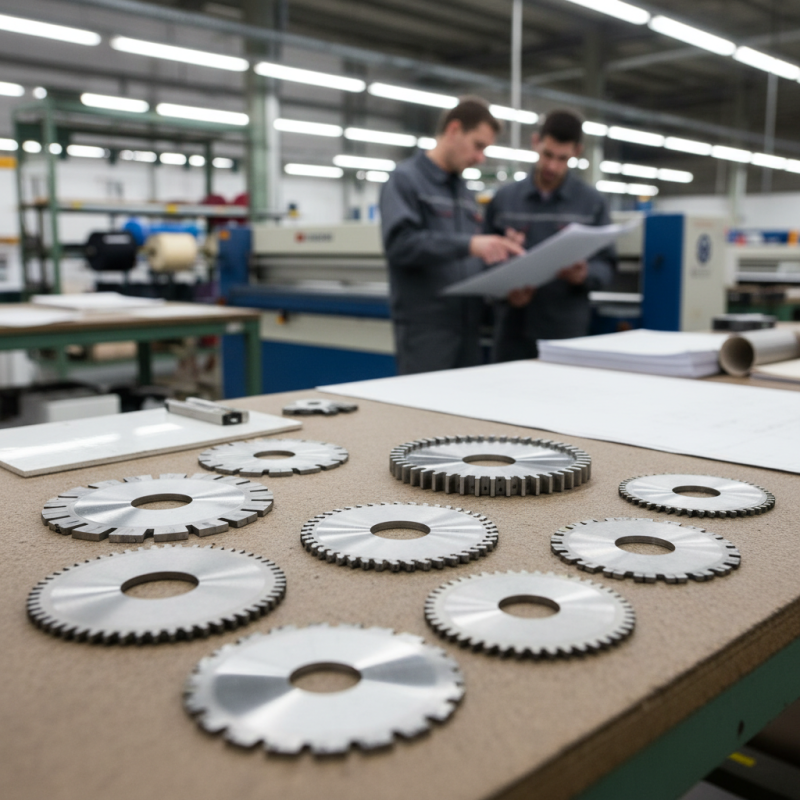
2026 How to Choose the Best Circular Knives for Your Needs?

Understanding Circular Knives and Their Applications

Circular knives are essential tools in various industries, from packaging to textiles. Their design allows for efficient cutting and shaping of materials. Understanding how these knives function is crucial for selecting the right type for specific applications. According to a recent industry report, the demand for circular knives is forecasted to grow by 4.2% annually through 2026. This shift is driven by increased automation and efficiency in production lines.

When choosing a circular knife, consider the material type. Specialty steels are often preferred for their durability and sharpness. However, these can be more expensive and may require more frequent maintenance. It’s essential to balance cost and performance based on your specific needs. Keep in mind that using the wrong material can lead to suboptimal results and increased waste.

**Tips:** Regular inspection of your circular knives can help identify wear and tear. Replacing blades promptly can improve cutting quality. Additionally, ensure that your equipment is compatible with the knife you select. This approach minimizes operational downtime and enhances productivity. Investing in the right tools not only saves time but can also reduce overall operational costs over the long term.

Factors to Consider When Choosing Circular Knives

Choosing the right circular knives is crucial for efficiency in your projects. Various factors can impact your choice significantly. Consider the material. High-speed steel (HSS) offers durability but may not suit all cutting tasks. Carbide-tipped blades can handle tougher materials effectively, but they might be more brittle.

Next, think about the blade diameter. A larger diameter can increase cutting capacity but might not be suitable for intricate designs. The thickness of the blade also matters. Thicker blades can withstand more stress, but they may not provide the precision you need for detailed work.

Another factor is the type of grind on the blade. Some grinds are better for specific materials. For example, a flat grind is great for general use, while a hollow grind can deliver sharper edges for more precision. Pay attention to how often you’re willing to sharpen or change the blades. Maintenance can be a chore, and time is often limited.

Don’t forget to assess the compatibility with your cutting equipment. Not all knives fit all machines, and mismatches can lead to frustration and waste. Testing different knives on your projects can provide valuable insights into what works best for you. Reflecting on your experiences will guide your future choices.

Different Materials Used in Circular Knives

When selecting circular knives, the material plays a crucial role in performance and longevity. Common materials include high-speed steel, stainless steel, and carbide. Each option has distinct advantages. High-speed steel is known for its toughness. It maintains a sharp edge longer than others. However, it may require frequent sharpening depending on usage.

Stainless steel offers excellent corrosion resistance. This makes it ideal for wet environments. It is easier to maintain, but it may not hold an edge as well as high-speed steel. Consider the conditions where the knife will be used. If moisture is a factor, stainless steel could be the better choice.

Carbide is extremely hard and maintains sharpness. It is often more brittle than other materials. This can lead to chipping if misused. It is essential to understand the material's limitations. Choosing the right material involves balancing performance with durability.

Tips: Test the knives before purchasing. Understanding how each material performs under pressure is vital. Regular maintenance can extend the life of your circular knives significantly. Pay attention to the sharpening method needed for each type. A little knowledge goes a long way in making the right choice.

2026 How to Choose the Best Circular Knives for Your Needs? - Different Materials Used in Circular Knives

Material Durability Best Use Cost Effectiveness
High-Speed Steel (HSS) High Metal Cutting Moderate
Carbide Very High Wood and Plastics High
Stainless Steel Moderate Food Industry Moderate
Cobalt Alloy Very High High-Temperature Cutting High
Tungsten Carbide Extremely High Industrial Cutting Very High

Comparing Blade Sizes and Designs for Specific Tasks

When selecting circular knives, understanding blade sizes and designs is crucial. Different tasks require specific blade characteristics for optimal performance. According to industry reports, blade diameter can significantly affect the efficiency of cutting tasks. For instance, larger blades, typically 8-inch or more, work well for heavy-duty applications. These blades handle tougher materials like rubber or thick textiles. In contrast, smaller blades, around 3 to 5 inches, excel in precision cutting tasks. They are ideal for intricate designs and delicate materials.

The design of the blade also plays a vital role. Straight-edged blades are preferred for clean, straight cuts. However, serrated blades can provide advantages when dealing with tougher materials. A survey conducted by the Cutting Tool Institute indicated that 65% of professionals favor serrated edges for fibrous materials due to their enhanced grip and cutting efficiency. Additionally, blade thickness influences the durability and capability of the knife. Thinner blades can create finer cuts but may wear out more quickly than their thicker counterparts.

Understanding your specific tasks can help in choosing the ideal knife. Experimenting with different sizes and designs may reveal unexpected challenges. For example, users have reported that switching to a serrated blade transformed their approach to certain materials. A thorough comparison of these factors is essential. It's worth investing time in examining various blade options to avoid mistakes that could impact productivity.

Maintenance Tips for Prolonging the Life of Circular Knives

Maintaining circular knives is crucial for ensuring their efficiency and longevity. Regular maintenance practices can significantly extend their service life, minimizing costly replacements. According to industry reports, well-maintained circular knives can last up to 30% longer than those that are neglected.

One essential maintenance tip is regular sharpening. Dull knives not only compromise the quality of cuts but also increase operational strain. It's recommended to inspect the sharpness weekly, especially in high-use environments. Proper storage is another key factor. Keeping knives in protective cases or on magnetic strips prevents accidental damage.

Cleaning is often overlooked. Residue buildup can lead to corrosion over time. Using a soft cloth and mild solvents ensures knives remain clean and functional. It's important to recognize that high-quality materials, while more expensive upfront, often yield better results when properly maintained. A good practice is to conduct an inventory check biannually, assessing each knife's condition and replacing those that show signs of severe wear.

FAQS

: What are circular knives used for?

: Circular knives are vital in industries like packaging and textiles. They efficiently cut and shape various materials.

How important is the material of circular knives?

The knife material affects performance and longevity. Options include high-speed steel, stainless steel, and carbide.

What is a major advantage of high-speed steel knives?

High-speed steel retains a sharp edge longer. However, they may need frequent sharpening based on usage.

Why choose stainless steel for circular knives?

Stainless steel resists corrosion well. It's suitable for wet environments but may not hold an edge as long.

What should I consider about blade sizes?

Blade size influences cutting efficiency. Larger blades are better for heavy-duty tasks, while smaller ones excel in precision cutting.

How does blade design affect cutting performance?

Straight edges offer clean cuts, while serrated edges grip better on fibrous materials, improving cutting efficiency.

What maintenance tips can enhance the life of circular knives?

Regular inspections and prompt blade replacements improve cutting quality. Understanding sharpening methods is also vital.

Can experimenting with different blade designs lead to better results?

Yes, users may discover improved efficiency by trying various sizes and designs, which can reveal unexpected challenges.

What are the risks of using the wrong knife material?

Using inappropriate materials can lead to poor results, increased waste, and inefficient operations.

Is investing in high-quality circular knives worth it?

High-quality knives may have higher upfront costs but can save time and reduce operational expenses in the long run.

Conclusion

In the article "2026 How to Choose the Best Circular Knives for Your Needs?", we explore the essential aspects of circular knives, which are pivotal tools used across various industries for cutting and shaping materials. Understanding the applications of circular knives is crucial, as their design and functionality can vary significantly depending on the intended use.

When selecting the best circular knives, several factors must be considered, including the material composition and blade size, as these elements directly influence performance and suitability for specific tasks. Additionally, proper maintenance is highlighted as a key practice for extending the lifespan of circular knives, ensuring optimal cutting efficiency over time. By taking into account these considerations, users can make informed choices tailored to their unique cutting needs.


Aria

Aria

Aria is a dedicated marketing professional with a deep passion for innovative strategies and a keen understanding of our company's product offerings. With a wealth of experience in the industry, Aria excels at crafting engaging content that highlights the unique features and benefits of our......