Choosing Wear-Resistant Carbide Tools is not simply a matter of buying the hardest grade. A cutting edge facing abrasive particles, heat, and interrupted cuts may fail for different reasons. The right choice depends on the workpiece, machine stability, cutting speed, and coolant practice. Small details matter. A chipped corner on a steel part can change the whole production run.
Tribology researcher K.-H. Zum Gahr’s work offers a useful principle, paraphrased here: “Wear resistance depends on the material, the contact, and the operating conditions.” Buyers should treat that as a starting point, not a guarantee. Carbide grade, coating, edge preparation, and tool geometry all affect performance. A coating that helps in one application may hinder another. Test data from a supplier is useful, but real-world trials still matter.
This guide compares ten tool categories for global buyers, including turning inserts, milling cutters, drills, and wear parts. It considers durability, application fit, and practical purchasing checks such as grade consistency and technical support. Ask for clear specifications. Check the recommended cutting conditions. Compare tool life against the same workload, not a sales claim alone. Even a careful ranking has limits; machines, operators, and materials vary. That deserves reflection. A lower-cost tool may suit a stable, predictable job, while a tougher grade may reduce costly edge failures. The best choice is the one that performs reliably in your actual process.
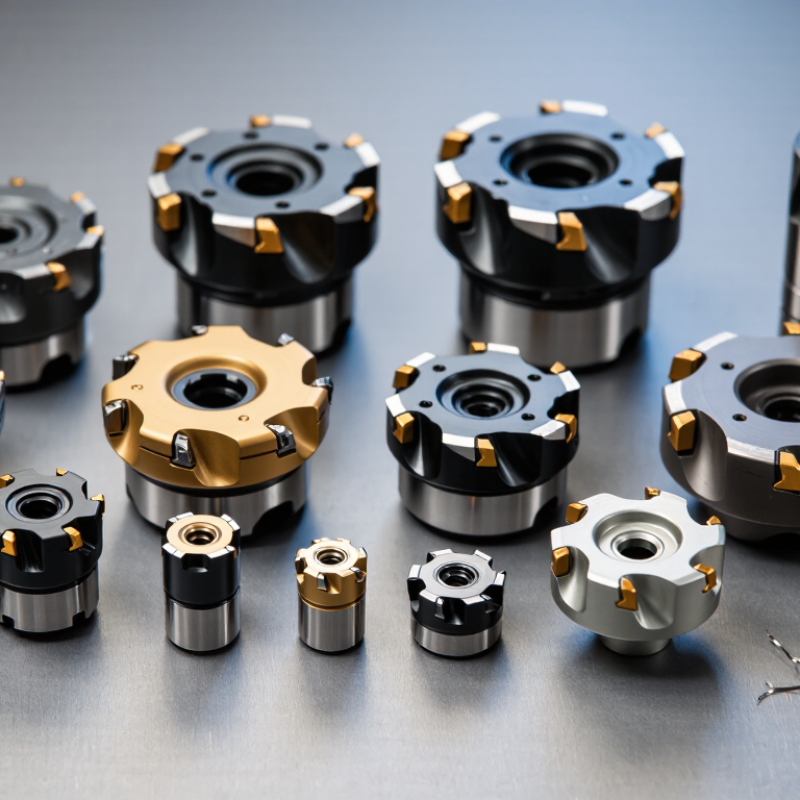
Wear-resistant carbide tools are made from hard carbide particles bonded with a tougher metal, commonly cobalt. The carbide resists scratching and abrasive wear, while the binder helps the tool withstand impact. The balance matters. More binder can improve toughness, but may reduce hardness; finer grains can support a sharper, more stable edge.
In a cutting insert, a carefully ground edge shears material as the workpiece turns or moves. Heat and friction gradually wear that edge. Carbide’s high hardness helps it retain its shape, especially during steady cutting at suitable speeds. Some tools also use surface coatings to reduce friction or slow heat-related wear. Coatings help, but they cannot fix poor setup.
Carbide is also used in punches, dies, nozzles, and wear plates, where repeated contact or abrasive particles can damage softer materials. Selection depends on the job: a tool handling fine abrasive dust may need a different grade from one exposed to sudden impact. Check the work material, operating temperature, and load before choosing. Even then, the “best” grade is not always obvious; real wear patterns and operating records are useful evidence. A chipped edge may point to vibration or excessive load, not simply a need for harder carbide.
Carbide wear resistance starts with the substrate. Fine-grain tungsten carbide with lower cobalt content often resists abrasion well, but it can chip under impact. Higher cobalt content adds toughness for interrupted cuts, though the edge may wear faster in abrasive conditions. There is no universal grade. Match hardness and toughness to the workpiece, cutting speed, and stability of the setup.
Coatings add another layer of protection. TiCN suits abrasive wear, while AlTiN can perform well at elevated cutting temperatures. CVD alumina helps shield the substrate from heat in suitable operations. Coating choice still depends on the material being cut, coolant use, and whether the cut is continuous. A coating cannot rescue a poor grade match. Not by itself.
Small details matter. A polished cutting edge can reduce built-up material on some workpieces, while a stronger edge preparation may resist chipping in interrupted cuts. Check the wear pattern after a short production run: flank wear, crater wear, and edge chipping point to different causes. Shop data can be messy, and one test rarely tells the whole story. Adjust one factor at a time, then record the result.
The Top 10 Wear-Resistant Carbide Tools for Global Buyers cover different cutting tasks, not one universal solution. Useful categories include carbide turning inserts, milling inserts, solid-carbide end mills, drills, reamers, thread mills, taps, rotary burrs, carbide-tipped saw blades, and carbide cutting knives. Each suits particular materials, machine conditions, and production needs. Small details matter.
When comparing options, check the carbide grade, tool geometry, coating, and recommended cutting parameters. A turning insert used on abrasive cast iron may need different wear properties from an end mill cutting stainless steel. Ask suppliers for technical data, compatible workpiece materials, and practical guidance on speeds and feeds. Not every grade fits. Buyers should also consider tool life, edge stability, and replacement frequency, rather than relying on hardness claims alone. Trial results can vary with coolant, machine rigidity, and setup; even a suitable tool may wear unevenly if alignment is poor. One detail is easy to miss: the lowest unit price may not mean the lowest cost per finished part. Compare actual performance under your own operating conditions, and record wear patterns before placing larger orders.
Typical abrasive-wear emphasis in common applications. Ratings are qualitative (1 = lower, 5 = higher), not standardized test results; actual wear life depends on grade, workpiece, and operating conditions.
Carbide tools are used across cutting, forming, and mining applications. Choose the substrate and grade for the specific work material and balance abrasion resistance with toughness to suit the operating conditions.
In machining, carbide inserts, end mills, drills, and reamers face heat, friction, and repeated cutting pressure. A stable insert can leave a cleaner surface on stainless steel or cast iron, but setup matters. Excessive vibration may chip an edge long before the tool wears evenly. Coolant flow and feed rate deserve attention.
Mining tools work in harsher conditions. Carbide buttons on drill bits and picks meet abrasive rock, impact, and dust across long shifts. Hardness helps resist abrasion; toughness helps prevent fracture. The balance depends on the rock and drilling method. Dust wins. Inspect worn buttons for uneven loss, not just visible breakage.
Construction uses carbide-tipped road-milling teeth, auger teeth, and cutting tools for concrete or asphalt. Aggregate can wear edges quickly, while buried hard spots may cause sudden damage. Replace worn teeth before they reduce cutting efficiency or strain equipment. Heat matters. Buyers comparing the top ten should check the tool’s intended material, operating conditions, and replacement availability. A harder grade is not automatically better; field results can differ from catalogue expectations, and that deserves a second look.
A practical selection of widely used tool types; the order is not a universal performance ranking.
| No. | Carbide Tool | Common Carbide Construction | Wear-Resistance Advantage | Typical Applications | Key Selection Consideration |
|---|---|---|---|---|---|
| 01 | Turning Inserts | Tungsten carbide (WC) with a cobalt binder; grades may be uncoated or coated. | Hard carbide particles resist abrasive flank wear. Suitable coatings can help reduce crater wear and heat-related damage. | Turning steel, cast iron, stainless steel, and non-ferrous metals. | Match the grade, coating, insert geometry, and chip-breaker to the workpiece and cutting conditions. |
| 02 | Milling Inserts | WC-Co cemented carbide, commonly supplied with application-specific coatings. | Resists abrasion during repeated cutting engagement; grade toughness helps manage interrupted cuts. | Face milling, shoulder milling, and machining of steel or cast iron. | Consider workpiece material, cutter engagement, impact level, and required surface finish. |
| 03 | Solid Carbide End Mills | Fine-grain WC-Co cemented carbide; some tools have wear-resistant PVD coatings. | High hardness supports edge retention and stiffness in small-diameter and high-speed cutting. | Slotting, profiling, pocketing, and precision milling of metals. | Choose flute count, helix, coating, and tool geometry for the material, chip evacuation, and machine rigidity. |
| 04 | Carbide Drills | Solid WC-Co carbide or carbide-tipped construction, depending on drill design. | Hard cutting edges resist abrasion and maintain a consistent hole size in suitable operating conditions. | Holemaking in metals; carbide-tipped versions are also used for masonry and concrete. | Confirm whether the drill is designed for metal or masonry; these applications require different geometries and operating methods. |
| 05 | Carbide Reamers | Solid WC-Co carbide or carbide-edged designs. | Wear-resistant cutting edges help maintain bore size and finish during finishing operations. | Finishing pre-drilled holes in production machining. | Allow the correct finishing stock and use stable alignment, suitable coolant, and a workpiece-specific geometry. |
| 06 | Carbide Mining Buttons | WC-Co cemented carbide inserts, commonly shaped as buttons and mounted in a steel bit body. | Hardness resists rock abrasion, while binder content and button design influence impact toughness. | Rotary drilling and other rock-drilling applications, depending on bit design. | Match button shape and carbide grade to rock hardness, abrasiveness, and impact conditions. |
| 07 | Mining and Tunneling Picks | A WC-Co carbide tip attached to a steel pick body. | The carbide tip resists abrasive wear as it cuts or breaks rock and mineral-bearing material. | Continuous miners, roadheaders, and selected excavation equipment. | Pick geometry, tip retention, rotation, and the material being cut all affect service life. |
| 08 | Road-Milling Picks | Carbide-tipped steel picks, with the carbide tip designed for abrasive cutting duty. | The carbide tip helps withstand wear from aggregate and pavement during repeated milling contact. | Asphalt and concrete pavement milling, subject to machine and pick specifications. | Check holder compatibility, pick rotation, pavement composition, and operating conditions. |
| 09 | Carbide-Tipped Circular Saw Blades | Steel blade bodies fitted with cemented-carbide cutting tips. | Carbide tips generally retain cutting edges longer than comparable uncoated steel teeth when used on suitable materials. | Cutting wood, wood-based panels, and selected construction materials, depending on blade design. | Use a blade specifically rated for the material and saw; tooth geometry and feed conditions matter. |
| 10 | Carbide-Edged Wear Parts | WC-Co inserts or hardfacing elements attached to a steel component. | Localized carbide protection helps resist abrasive wear on high-contact surfaces. | Selected earthmoving, conveying, mixing, and material-handling equipment. | Assess the wear pattern and impact load; carbide protection is not suitable for every component or failure mode. |
Material note: Cemented carbide is a hard composite, commonly based on tungsten carbide particles held together by a metallic binder such as cobalt. Hardness, toughness, coating, and service life vary by grade, tool design, workpiece, and operating conditions; confirm specifications with the tool supplier before selection.
When comparing wear-resistant carbide tools, start with the job, not a hardness number. A milling insert cutting abrasive cast iron faces different heat and impact than a drill in hardened steel. Check carbide grade, grain size, binder content, coating, edge geometry, and recommended cutting range. Hardness matters. It is not enough. Compare hardness and transverse rupture strength against the tool’s likely failure mode.
Quality is easier to judge when suppliers share measurable controls. Request inspection records for dimensions, coating consistency, edge condition, and batch traceability. Test a sample on your own machine, material, coolant, and feed rate. Record tool life and wear patterns. A clean lab result may not predict a production shift. That gap matters.
Compare suppliers on application support, stable lead times, packaging, and their response to quality concerns. Ask how they control batch variation and what data accompanies each shipment. Low prices are tempting. But frequent edge chipping can erase savings through downtime and scrap. No scorecard captures everything; revisit your assumptions after the first production trial.
Turning inserts, milling inserts, end mills, drills, and reamers handle different machining jobs. There is no universal tool.
Check grade, grain size, coating, edge geometry, and cutting parameters. Hardness alone is not enough.
Test a sample using the intended material, coolant, machine, and feed rate. Record wear patterns and replacement frequency.
Vibration, poor alignment, or unstable setup can damage an edge early. Check the machine conditions, too.
Match hardness and toughness to the rock and drilling method. Inspect carbide buttons for uneven wear. Dust wins.
Abrasive aggregate can wear road-milling teeth quickly. Buried hard spots may cause sudden damage.
Request dimensional inspection records, coating checks, and batch traceability. Ask what data comes with each shipment.
Not necessarily. Edge chipping can increase downtime and scrap, raising the cost per finished part. Worth checking twice.
Wear-Resistant Carbide Tools are designed to retain their cutting edges and working surfaces under abrasion, heat, and repeated impact. Their performance depends on carbide composition, grain structure, tool geometry, and the conditions in which they operate. Suitable grades and surface coatings can help reduce wear, manage heat, and extend service life, but the best choice depends on the material being processed and the demands of the task.
This overview introduces ten widely used carbide tool types for machining, mining, and construction, including cutting inserts, drills, end mills, wear plates, and drilling components. It also explains how these tools serve different industrial applications and what buyers should compare before purchasing, such as grade, dimensions, coating, tolerances, quality documentation, expected service life, and supplier consistency. A careful specification review helps buyers balance durability, productivity, and overall operating cost.

Shen Gong Carbide