Carbide woodworking tools have revolutionized the woodworking industry. According to a recent report by the Woodworking Machinery Industry Association, these tools have increased productivity by over 30% in workshops nationwide. Their durability and precision make them indispensable for both professional woodworkers and hobbyists.
The manufacturing process behind carbide tools is exceptional. A mixture of tungsten and carbon gives them impressive hardness. This quality allows them to endure extreme conditions, outperforming traditional steel tools. However, not all carbide tools are created equal. It’s crucial to acknowledge that some brands may compromise on quality. Researching industry reviews can help identify reliable manufacturers.
The selection of the right carbide woodworking tools can be daunting. With a myriad of options available, choosing tools that fit your specific needs is vital. Understanding the right applications for each tool will enhance your woodworking experience. Moreover, embracing the latest innovations will ensure your workshop remains efficient and competitive in this ever-evolving industry.
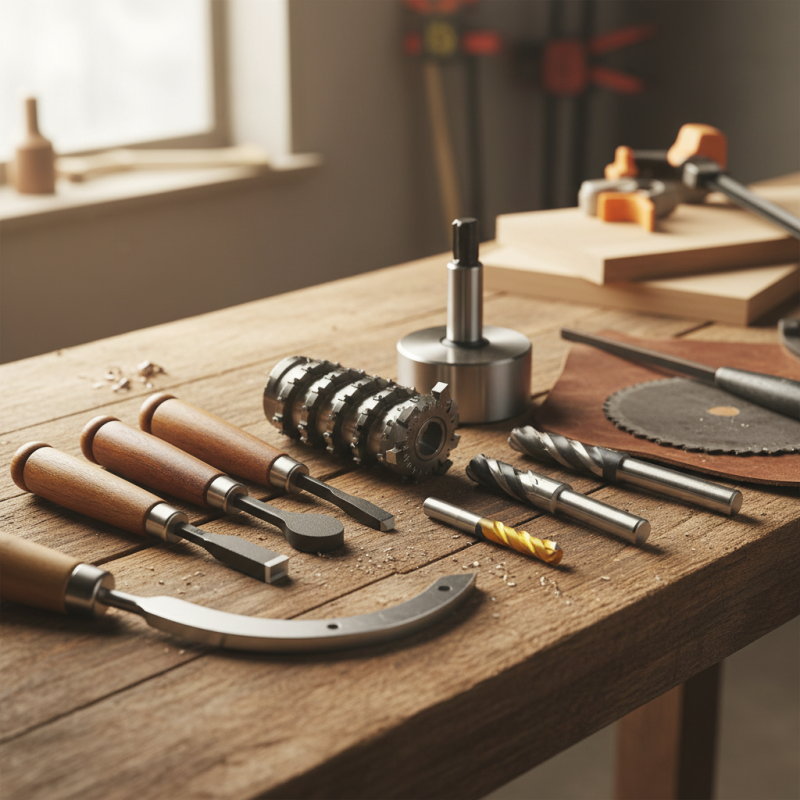
When it comes to woodworking, having the right tools can significantly impact your work quality. Carbide woodworking tools are essential for their durability and precision. For example, studies show that carbide-tipped saw blades stay sharper longer than their steel counterparts, often lasting up to 50% longer. This means fewer replacements and increased productivity in your workshop.
Woodworkers often overlook essential carbide tools that enhance efficiency. Tools like router bits, chisels, and turning tools can transform the way you work. A recent industry report highlighted that 72% of professional woodworkers consider carbide tools indispensable. Their ability to cut through hardwoods without chipping gives them a clear edge. Furthermore, despite their higher initial cost, the longevity of carbide tools often justifies the investment.
However, not every user understands the maintenance needs of carbide tools. Improper sharpening or neglect can lead to early wear. Engaging in regular, proper care can ensure consistent performance. Experience teaches woodworkers that quality matters, but a lack of awareness around handling tools can hinder results. Knowing how to select and maintain these tools is vital for any workshop.
Carbide tools have gained prominence in woodworking due to their durability and performance. According to a report by the American Woodworking Institute, carbide-tipped tools can last up to 10 times longer than steel counterparts. This longevity reduces replacement costs and enhances productivity in busy workshops. Woodworkers appreciate the efficiency of carbide tools. They can cut through hardwoods, softwoods, and engineered woods with ease, providing clean edges.
Carbide tools also offer precision. Their sharp cutting edges reduce fraying and splintering. A study published in the Journal of Wood Science highlights that clean cuts contribute to better finishes, necessitating less sanding. This efficiency means fewer hours spent on finishing work. However, potential drawbacks exist. Carbide tools can be more brittle than steel, leading to chipping if mishandled. Understanding proper usage is crucial. Each tool requires care and maintenance to ensure optimal performance over time. It's a balancing act between the tool's efficiency and the need for attention in handling.
When it comes to woodworking, carbide tools are essential. They deliver durability and precision. You need a variety of tools to tackle different projects effectively. A good selection can enhance your workshop experience greatly.
Key carbide tools to include are router bits, table saw blades, and jointer knives. Router bits come in various shapes, serving multiple functions. They can create complex profiles and joints with ease. Table saw blades cut cleanly, improving the quality of your work. But they require regular maintenance to avoid dullness.
Don’t overlook the importance of proper storage and care for these tools. Rust and wear can diminish their performance. Regularly inspect your tools for damage. Adopting a routine can extend their lifespan significantly. This attention to detail helps ensure efficiency and safety when working. Balancing these factors is crucial for any serious woodworker.
When selecting the right carbide tools for your woodworking projects, you need to consider several factors. The type of wood you work with plays a major role. Hardwoods require more robust tools, while softwoods can be managed with lighter options. Understand your materials before making a choice.
Tips: Always examine the tool's edge. A sharp edge ensures clean cuts and reduces friction. Dull tools can be unsafe and lead to mistakes. Regular maintenance is vital, though it’s often overlooked.
Experience also matters when choosing your tools. Beginners might rely on simpler options, while seasoned woodworkers may prefer advanced designs. Don’t hesitate to seek advice from experienced craftsmen. They can provide insights on what works best.
Tips: Test different tools before purchasing. Get a feel for their weight and balance. You might find that a popular choice doesn’t suit your style. Pay attention to your comfort and control.
Carbide woodworking tools are a popular choice in many workshops. Their durability and effectiveness make them vital for any woodworker. However, like all tools, they require proper maintenance for longevity. Here are some practical maintenance tips to keep your carbide tools in top shape.
Regular cleaning is essential. Dust and resin buildup can affect performance. Use a soft brush or cloth to remove debris after each use. This simple step can extend the lifespan of your tools significantly. Check your tools for any signs of wear frequently. Addressing minor issues early can prevent more significant problems down the line.
Proper storage is another critical aspect. Store your tools in a dry, cool place. Avoid tossing them into a toolbox where they can get damaged. Instead, use protective cases or hanging racks. This habit helps maintain sharpness and prevents accidental damage.
Always inspect your tools before use. A quick check can save you from ineffective cutting or potential accidents. Remember to follow these care techniques consistently. They are not just suggestions; they are crucial for your tools’ longevity.
| Tool Name | Type | Size | Application | Maintenance Tips |
|---|---|---|---|---|
| Carbide Tipped Table Saw Blade | Blade | 10 inches | Cross-cutting | Keep clean, avoid overheating |
| Carbide Router Bit Set | Router Bit | Various | Edge shaping | Store upright, avoid drops |
| Carbide Planer Blades | Blade | 12 inches | Surfacing wood | Regularly check for nicks |
| Carbide Tipped Bandsaw Blade | Blade | Various | Curved cuts | Keep tension adequate |
| Carbide Chisel Set | Chisel | Various | Joinery | Keep sharp, store safely |
| Carbide Thickness Planer | Power Tool | 12 inches | Thicknessing lumber | Clean after use |
| Carbide Diamond Wheel | Grinding Wheel | Various | Sharpening tools | Dress regularly |
| Carbide Sanding Discs | Sanding | 5 inches | Sanding surfaces | Replace when worn |
| Carbide Turning Tools | Turning Tool | Various | Woodturning | Hone after each use |
| Carbide Inlay Tools | Inlay Tool | Various | Decorative inlays | Keep clean and dry |
: Carbide tools last up to 10 times longer than steel, reducing replacement costs and improving productivity.
They can easily cut through hardwoods, softwoods, and engineered woods, resulting in clean edges.
Their precision reduces fraying and splintering, leading to a smoother finish and less sanding time.
They can be more brittle than steel, making them prone to chipping if not handled correctly.
Consider the type of wood you work with and ensure the tool's edge is sharp for safety and efficiency.
Regular maintenance is vital for optimal performance but often gets overlooked, which can affect tool longevity.
No, beginners may prefer simpler tools, while experienced woodworkers might opt for more advanced designs.
Yes, testing different tools helps you understand their weight and balance, ensuring the right fit for your style.
Yes, they can provide valuable insights and help you navigate your choices effectively.
Your comfort and control are crucial; choose tools that suit your personal style instead of following trends.
Carbide woodworking tools are essential for any workshop, offering superior durability and performance compared to traditional materials. Understanding the benefits of these tools can enhance your woodworking projects significantly, as they maintain sharp edges longer and withstand wear better. This article highlights the top 10 must-have carbide woodworking tools that every woodworker should consider, including their unique features and applications.
When choosing the right carbide tool for your woodworking endeavors, it’s important to assess the specific needs of your projects. Additionally, maintaining these tools properly can greatly extend their lifespan, ensuring that they remain effective and reliable. With the right knowledge and care, carbide woodworking tools can elevate your craftsmanship to new heights, making them indispensable assets in your workshop.

Shen Gong Carbide