In recent years, the demand for Industrial Knives has surged globally, driven by advancements in manufacturing processes and efficiency requirements. A report from the Global Industry Analysts highlights that the market for industrial knives is expected to reach $2.5 billion by 2025. This speaks volumes about the importance of these tools in various industries, including food processing, packaging, and metal cutting.
According to Dr. Robert Lin, an expert in cutting tools technology, “The precision and durability of industrial knives determine the efficiency of production lines.” His insights underline the critical role industrial knives play in enhancing operational productivity. The growth of China’s manufacturing sector has positioned it as a key supplier of industrial knives, catering to international buyers seeking quality and innovation.
Despite this growth, not all manufacturers meet the high standards required. Quality discrepancies can lead to production setbacks. As global buyers explore options, understanding the strengths and weaknesses of various suppliers becomes essential. Identifying top-tier industrial knives is crucial for ensuring reliability and boosting manufacturing performance. This article delves into the top 10 industrial knives in China, providing essential insights to inform your purchasing decisions.
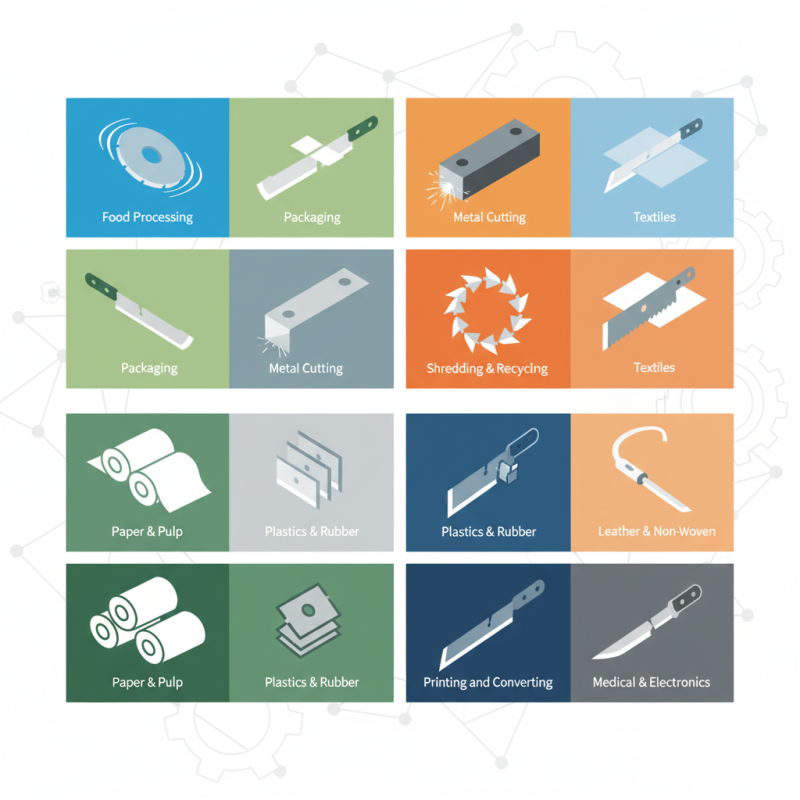
Industrial knives play a crucial role in various manufacturing processes in China. These tools are vital for cutting, slicing, and shaping materials across numerous sectors, including food processing, textiles, and metal fabrication. High-quality industrial knives ensure efficiency and precision in operations, which is paramount for maintaining competitive advantages in the global market.
The design and material of these knives significantly impact their performance. Many knives utilize high-carbon stainless steel for durability and sharpness. The specific design influences how well they perform in different applications. However, many buyers overlook the importance of selecting the right knife for their needs. It’s common to see mismatched tools in workshops, which can lead to inefficiencies. These mistakes highlight the need for proper research before making a purchase.
Moreover, the manufacturing process in China shows a blend of traditional craftsmanship and modern technology. Innovations are continuously shaping the industry, yet not all manufacturers keep up. Some tools may lack quality controls, resulting in disappointing performance. Buyers should remain vigilant, examining reviews and performance metrics before deciding. Often, average tools hurt productivity, and reflecting on past choices can lead to better decisions in the future.
| Knife Type | Material | Blade Length (cm) | Weight (g) | Application |
|---|---|---|---|---|
| Industrial Cutting Knife | High Carbon Steel | 20 | 250 | Fabric Cutting |
| Guillotine Knife | Stainless Steel | 25 | 300 | Paper Cutting |
| Circular Knife | Carbide | 15 | 150 | Plastic Cutting |
| Straight Blade Knife | Titanium Alloy | 30 | 200 | Metal Cutting |
| Precision Knife | High-Speed Steel | 10 | 100 | Detailed Work |
| Chef's Knife | Stainless Steel | 20 | 250 | Food Preparation |
| Scissors Knife | Carbon Steel | 16 | 120 | General Purpose |
| Trimming Knife | Alloy Steel | 22 | 200 | Woodworking |
| Utility Knife | Stainless Steel | 18 | 180 | Construction |
| Slicing Knife | Ceramic | 25 | 210 | Food Service |
: Material affects durability and sharpness. High-carbon steel lasts long but can rust. Stainless steel is easier to maintain.
Design impacts comfort and efficiency. A well-balanced knife reduces fatigue during prolonged use, enhancing safety.
A reputable manufacturer indicates expertise. However, even good brands can have products that don't meet expectations.
They explore advanced production techniques and eco-friendly materials. Innovation and sustainability are now industry priorities.
Well-designed blades improve versatility and efficiency. Custom shapes can boost productivity significantly in various applications.
Tighter manufacturing tolerances lead to less waste. Small deviations in sharpness can yield disappointing results in performance.
Industrial knives play a crucial role in various manufacturing processes, and China has emerged as a significant player in this field for global buyers. The article outlines essential criteria for selecting quality industrial knives, such as material durability, precision, and design efficiency. Understanding these factors can help buyers make informed decisions.
Moreover, the top manufacturers in China are highlighted, showcasing their commitment to innovation and quality in industrial knife production. An analysis of current market trends reveals a growing demand for advanced, high-performance industrial knives, aligning with the shifting needs of industries worldwide. Key features that define the best industrial knives include sharpness, longevity, and versatility, making them indispensable tools for manufacturers aiming for excellence in their operations.

 Shen Gong Carbide