In the world of industrial materials, Fine Grain Tungsten Carbide stands out for its durability and performance. This material is crucial for applications requiring high resistance to wear and impact. Global buyers seek the best options available in this niche market.
Fine Grain Tungsten Carbide is not just any carbide. It offers enhanced toughness due to its unique grain structure. Industries like mining, machining, and oil drilling heavily rely on its properties. Buyers often grapple with choices, though. Not all suppliers meet the high standards needed.
Quality assurance is paramount. Unverified sources can lead to subpar products, which result in costly errors. A thorough understanding of Fine Grain Tungsten Carbide’s specifications is essential. As buyers navigate this market, reflecting on their choices can lead to better procurement strategies and improved outcomes.
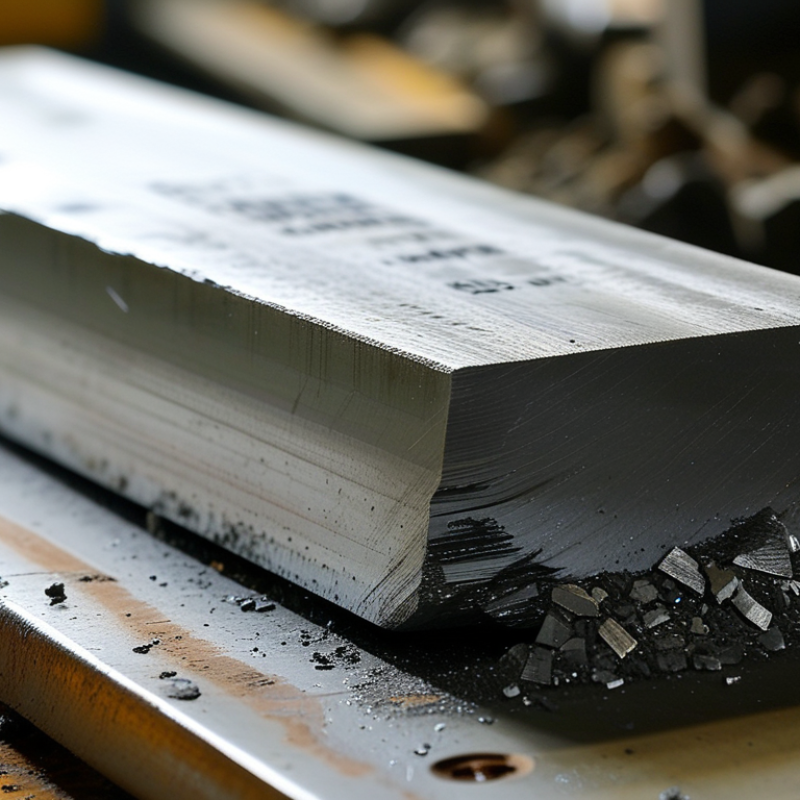
Fine grain tungsten carbide is a critical material in many industrial applications. Its unique properties make it an ideal choice for high-performance tools and components. This material exhibits excellent wear resistance, toughness, and hardness. These qualities stem from its fine microstructure, which leads to superior performance in demanding environments.
Industries utilize fine grain tungsten carbide for machining, drilling, and cutting tools. Precision manufacturing often relies on its ability to withstand high temperatures and pressures. Moreover, its performance in abrasive conditions is noteworthy. Applications range from mining to aerospace. The versatility of fine grain tungsten carbide opens doors to various fields. However, sourcing it responsibly can be challenging. Not all suppliers maintain consistent quality standards.
Potential buyers must conduct thorough research before making decisions. Understanding the nuances of fine grain tungsten carbide is essential. Evaluating suppliers based on their expertise and reliability can help in acquiring quality products. This helps avoid issues related to performance and longevity. Collaborating with knowledgeable professionals can provide critical insights. Engaging with certified experts in material science can enhance decision-making.
Fine grain tungsten carbide is a preferred choice for many industrial applications. Its strength and resistance to wear make it ideal for cutting tools and machinery components. High-quality fine grain tungsten carbide has certain key characteristics that set it apart from standard options.
Firstly, finer grain sizes lead to improved toughness and hardness. This means products made from this material can endure more stress and last longer in demanding environments. A more uniform grain structure enhances performance, reducing the risk of fractures during operation.
Another important factor is the cobalt content in the carbide. A balanced cobalt level can significantly affect the material's durability. However, achieving this balance is often complex. Too much cobalt can weaken the bond, while too little may compromise toughness. It's essential for manufacturers to carefully control these variables during production.
Moreover, surface finish plays a crucial role in the functionality of fine grain tungsten carbide. A smoother surface reduces friction and wear, which ultimately prolongs tool life. Yet, achieving the right finish can be challenging and may require continuous adjustments in processing techniques.
This chart displays the key characteristics of high-quality fine grain tungsten carbide options for global buyers. The data includes measurements such as density, hardness, flexural strength, elastic modulus, and thermal conductivity, which are essential for evaluating the quality and performance of tungsten carbide products.
Fine grain tungsten carbide is highly sought after in various industries. Its properties make it ideal for cutting tools, abrasives, and wear-resistant components. The manufacturing process involves the careful selection of raw materials. This ensures consistency in quality and performance. Buyers should pay attention to supplier certifications and production techniques. Reliability in the supply chain is essential for businesses.
Global manufacturers of fine grain tungsten carbide have diverse expertise. Some focus on advanced compaction methods, while others excel in sintering techniques. Furthermore, these suppliers often invest in research and development. This commitment to innovation helps improve product quality and functionality. However, not all suppliers maintain the same standards, which creates challenges. It's crucial for buyers to conduct thorough research into potential partners.
Selecting the right manufacturer can be daunting. Factors like pricing, lead time, and support must be evaluated. Additionally, buyers might encounter communication barriers or misunderstandings. These situations call for patience and clarity in discussions. Prioritizing a partnership with a reputable supplier can lead to long-lasting benefits. Exploring multiple options allows for informed decisions in a competitive market.
The pricing for fine grain tungsten carbide can be quite complex. Buyers often face a multitude of options. Various factors influence costs, including raw material quality, supplier reputation, and production methods. The market includes both established suppliers and emerging manufacturers, each with unique pricing strategies.
Some suppliers offer competitive prices but may compromise on quality. Others maintain premium pricing, ensuring better durability and performance. It can be challenging to determine the best value. Global buyers must weigh these aspects carefully. Cost alone shouldn’t dictate the decision; long-term performance matters too.
Evaluating the finer details of specifications and applications is crucial. Some products may be cheaper but lead to increased wear and tear. This could ultimately drive up costs over time. Understanding the balance between price and quality is essential. Each buyer’s needs differ, making thorough research a valuable step in the buying process.
The landscape of fine grain tungsten carbide production is evolving rapidly. Industry reports indicate that the global tungsten carbide market is projected to reach USD 36 billion by 2028. This surge in demand is driven by the increasing popularity of tungsten carbide across various sectors, especially in manufacturing and construction. The fine grain variants provide superior hardness and wear resistance. These properties make them ideal for cutting tools and drilling applications.
As technologies advance, manufacturers are exploring innovative production techniques. Techniques like powder metallurgy are becoming increasingly popular. They allow for the creation of finer grain structures that enhance performance. According to a recent study, fine grain tungsten carbide can improve tool life by up to 30%. However, challenges remain in maintaining consistency during production. Variations in particle size and distribution can lead to less reliable outcomes.
The environmental impact of tungsten carbide production is also under scrutiny. Innovations in recycling and reducing waste are essential in meeting sustainability goals. Reports suggest that the industry is moving toward greener manufacturing processes. This includes the use of alternative raw materials and energy-efficient practices. There’s a growing need to balance performance with ecological responsibility.
| Material Grade | Average Grain Size (µm) | Hardness (HRA) | Fracture Toughness (MPa·m1/2) | Common Applications | Market Trend |
|---|---|---|---|---|---|
| K10 | 0.5 | 90 | 18 | Cutting tools, drill bits | Stable |
| K20 | 1.5 | 88 | 15 | Mining tools, wear parts | Growing |
| K30 | 2.0 | 86 | 12 | Machining, manufacturing | Declining |
| K40 | 3.0 | 84 | 10 | Stamping dies, impact tools | Stable |
| K50 | 4.0 | 82 | 8 | Oil extraction, aerospace | Growing |
: Fine grain tungsten carbide is a material known for its wear resistance, toughness, and hardness.
It is used in machining, drilling, and cutting tools across various industries, including mining and aerospace.
Not all suppliers maintain consistent quality standards, making it essential to research carefully.
Evaluate suppliers based on their expertise, reliability, and past performance to ensure quality products.
Costs vary due to raw material quality, supplier reputation, and production methods among others.
Not necessarily. Cheaper products may lead to quicker wear and increase long-term costs.
Long-term performance is crucial; it can significantly affect the overall value of your investment.
Yes, consulting with certified professionals in material science can provide valuable insights for better choices.
Evaluate specifications, quality, and applications to find what best suits your specific needs.
Yes, improper choices can lead to performance issues, requiring reflection on your sourcing strategy.
Fine Grain Tungsten Carbide is a crucial material widely used in various industries due to its exceptional hardness, wear resistance, and durability. This article explores its applications across sectors such as manufacturing, mining, and construction, highlighting how its unique properties enhance performance and longevity in tools and components.
The analysis also delves into the key characteristics that define high-quality Fine Grain Tungsten Carbide, along with a comparative study of pricing from different manufacturers and suppliers around the globe. Additionally, it addresses future trends in production and usage, indicating a growing demand for innovative applications and advancements in manufacturing processes, which will further enhance the material's significance in the market.

Shen Gong Carbide