Introduction
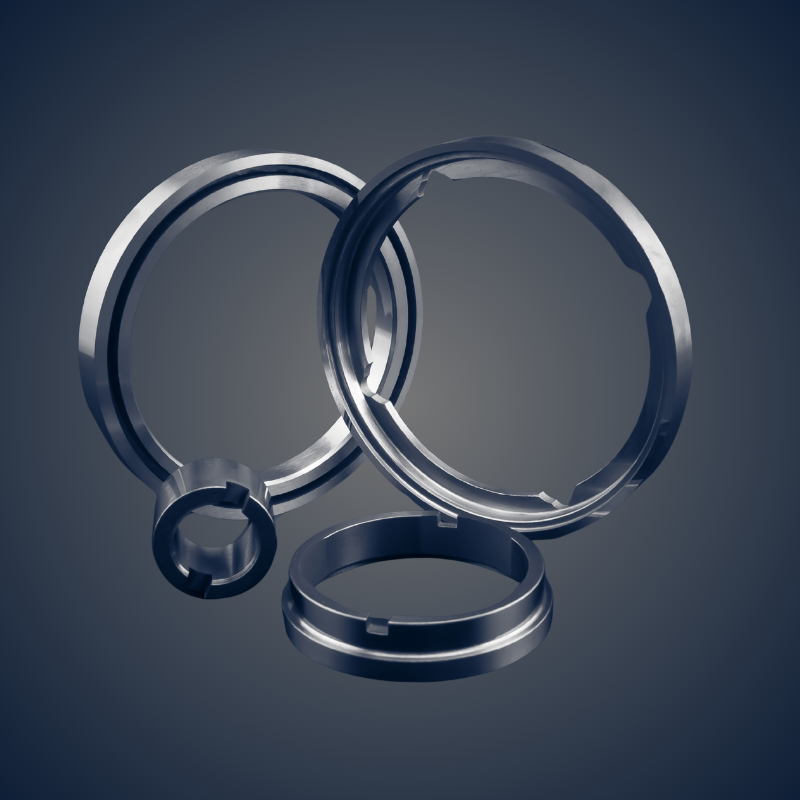
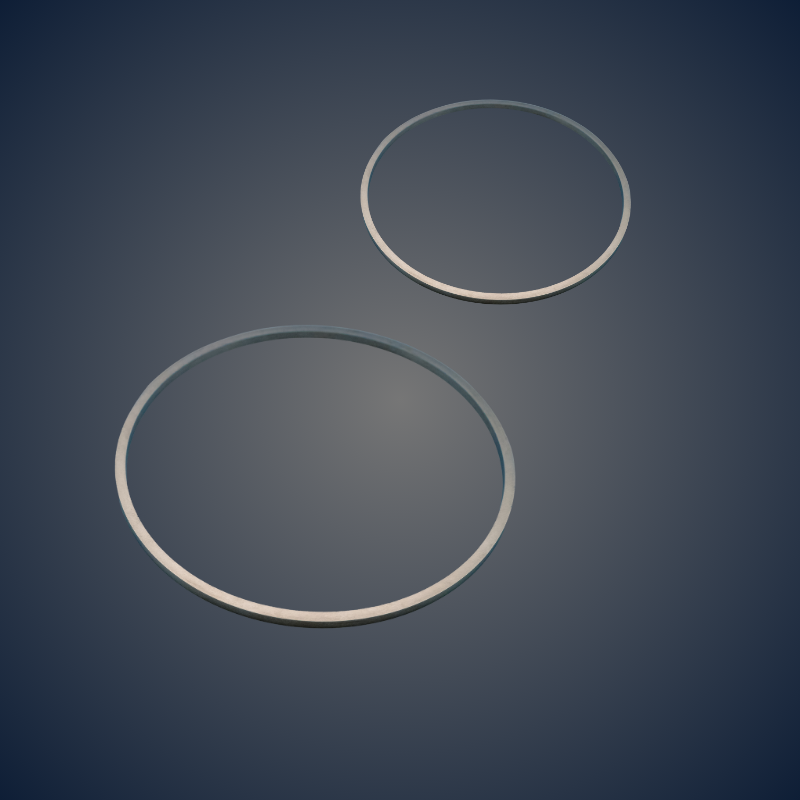
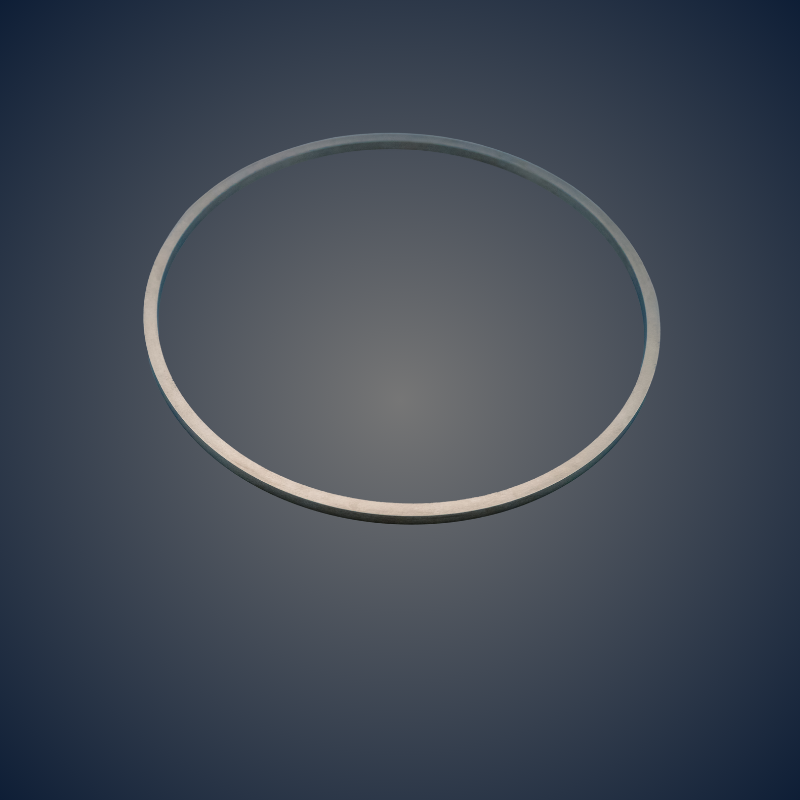
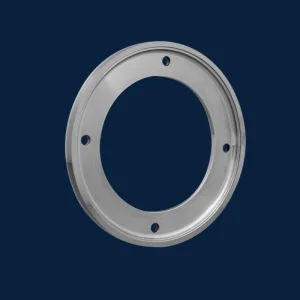
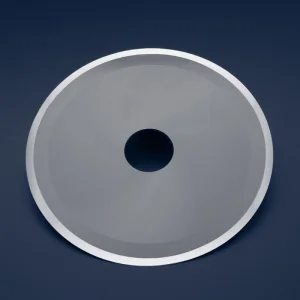
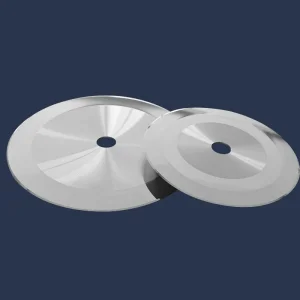
Carbide rings are made from high-purity carbide, produced through a fully controlled production process—powder mixing, pressing, vacuum sintering, precision machining, and full inspection—ensuring a dense material structure, uniform microstructure, and consistent batch performance. These products can serve as key basic components for subsequent precision grinding, lapping, polishing, or assembly, and are widely applicable to industrial scenarios with extremely high requirements for coaxiality, roundness, and wear resistance.
Key Features
Excellent Wear Resistance
High hardness and excellent wear resistance, suitable for long-term use under high friction and high load conditions.
Good Dimensional Stability
Stable roundness and coaxiality control, small batch-to-batch variations, facilitating precision assembly.
Suitable for Secondary Finishing
Can undergo internal and external cylindrical grinding, end face finishing, and polishing. The processing is stable and parameters are predictable.
Uniform Material Structure
Dense internal structure with no significant performance fluctuations, reducing the risk of localized abnormal wear.
Suitable for Batch Supply
Mature production technology supports continuous and stable supply of standard and non-standard sizes.
Specifications
| Items |
Specifications (ΦD * Φd * T) |
| 1 |
Φ200.5 * Φ190 * 8 |
| 2 |
Φ240.5 * Φ230 * 8 |
| 3 |
Φ251 * Φ240 * 9 |
Applications
Industrial equipment parts
Precision mechanical assembly
Secondary machining applications
Bearings and rotating parts
Why Choose Our Carbide Rings?
1. Material Determinism
If the initial material state is unstable, with uneven microstructure or hardness distribution, this will be amplified during secondary processing, manifesting as fluctuations in grinding resistance, localized abnormal wear, and difficulty in maintaining stable dimensional control.
2. Process Controllability
The material removal behavior during processing is consistent and continuous. This allows operators to stably set grinding parameters, predict wheel or tool wear, and reduce frequent machine adjustments while improving the reliability of automated processing.
3. Dimensional Accuracy and Surface Quality
Due to the uniformity of material structure and properties, the entire processing can maintain consistent roundness and coaxiality, consistent surface roughness, and predictable edge and chamfer quality.
Frequently Asked Questions
Q1: What are the main advantages of carbide rings?
A: They offer extreme hardness, superior wear resistance, and high dimensional stability, making them ideal for high-friction industrial components.
Q2: Can these carbide rings be used for secondary finishing?
A: Yes, the uniform material structure is specifically designed to support stable internal/external grinding, polishing, and precision finishing.
Q3: How is the quality consistency ensured across different batches?
A: Quality is maintained through a fully controlled vacuum sintering and powder mixing process, followed by rigorous full inspection protocols.
Q4: Are these rings suitable for automated assembly lines?
A: Absolutely. Their stable roundness and coaxiality control significantly reduce the need for frequent machine adjustments.
Q5: What impact does material uniformity have on wear?
A: Dense and uniform microstructure prevents localized abnormal wear, ensuring a longer and more predictable service life.
Q6: Do you support custom sizing for carbide rings?
A: Our mature production technology supports both standard and non-standard sizes for stable batch supply.
 Shen Gong Carbide