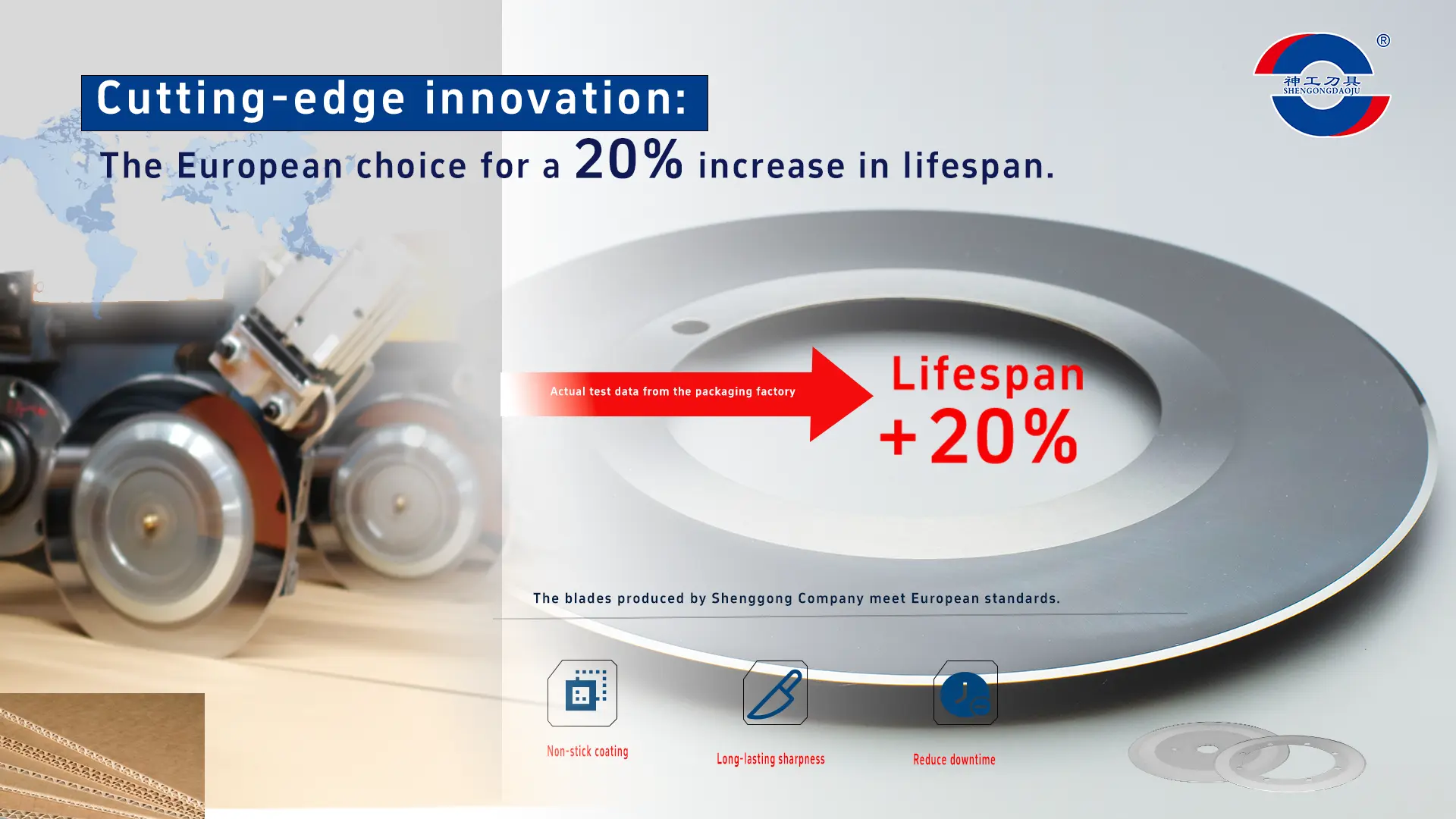
Engineered for high mechanical wear resistance, minimal board dust generation, and consistent cutting accuracy on automatic corrugators.
Micro-grain tungsten carbide circular slitting knives optimized for Namibian automated high-speed corrugating systems.
View Technical Specs
Engineered grinding wheels designed specifically for continuous sharpening of carbide scorer blades in packaging plants.
View Technical Specs
Durable, impact-resistant cross-cutting knives engineered to withstand high cyclic loads in high-speed rotary cutoff machinery.
View Technical Specs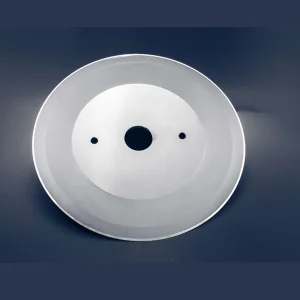
Tungsten carbide thin blades offering maximum wear resistance, pristine cut edges, and minimum dust formation.
View Technical SpecsNamibia is rapidly positioning itself as the primary logistics gateway for the Southern African Development Community (SADC). Driven by the expansion of the Walvis Bay port terminal and active development along the Trans-Kalahari and Trans-Kunene transport corridors, the country is witnessing an unprecedented surge in local manufacturing, agro-processing, and export-oriented industrialization. Crucial to this economic engine is the packaging sector. Whether securing premium Namibian beef for global export, protecting frozen seafood shipments from the coastal processing units of Luderitz and Swakopmund, or transporting minerals and high-volume beverages, corrugated cardboard packaging remains the indispensable medium of logistics.
However, processing high-strength structural corrugated boards under challenging regional conditions demands exceptional tooling performance. Namibian packaging factories operate under localized conditions that require slitting tooling capable of handling highly abrasive recycled paper matrices. Recycled paper pulped in Southern Africa often carries a high concentration of mineral filler elements and silicate particulates. Standard steel circular knives degrade swiftly in these scenarios, suffering from micro-chipping, structural deformation, and rapid edge blunting. This leads to crushed edges, structural compression of flutes, and excessive board dust, which triggers machinery failure. High-precision tungsten carbide corrugated knives have transitioned from a premium upgrade to a foundational operational requirement for Namibian converters searching for consistency and efficiency.
The global corrugated industry is operating in a tight margin paradigm. Procurement executives in Windhoek, Walvis Bay, and throughout the SADC region face double-sided pressures: minimizing raw material waste and slashing machine downtime. Replacing worn-out slitting knives requires pausing modern, high-speed corrugating lines (like those from BHS, MarquipWardUnited, Fosber, or Agnati), resulting in massive financial losses per minute. A reliable knife must deliver millions of clean linear meters of slitting before requiring online grinding. Sourcing tooling directly from a vertical Chinese industrial manufacturer represents the gold standard of modern procurement, blending advanced metallurgy with direct-from-factory pricing.
Shen Gong represents China’s Factory 4.0 paradigm. Unlike secondary processors who purchase raw tungsten blanks and grind them locally, Shen Gong controls the entire metallurgic lifecycle. We start from localized wet milling of raw tungsten powder, through precision spray drying, automated dry-pressing, and sinter-HIP (Hot Isostatic Pressing) sintering. This vertical integration allows us to customize the cobalt binder ratios and grain structures of WC (Tungsten Carbide) directly for packaging applications. Our automated processing systems maintain sub-micron carbide grain sizing, ensuring extreme fracture toughness and hardness (up to 92.5 HRA), giving Namibian packaging mills a major operational advantage: blades that stay sharp up to 250% longer than low-cost imports.
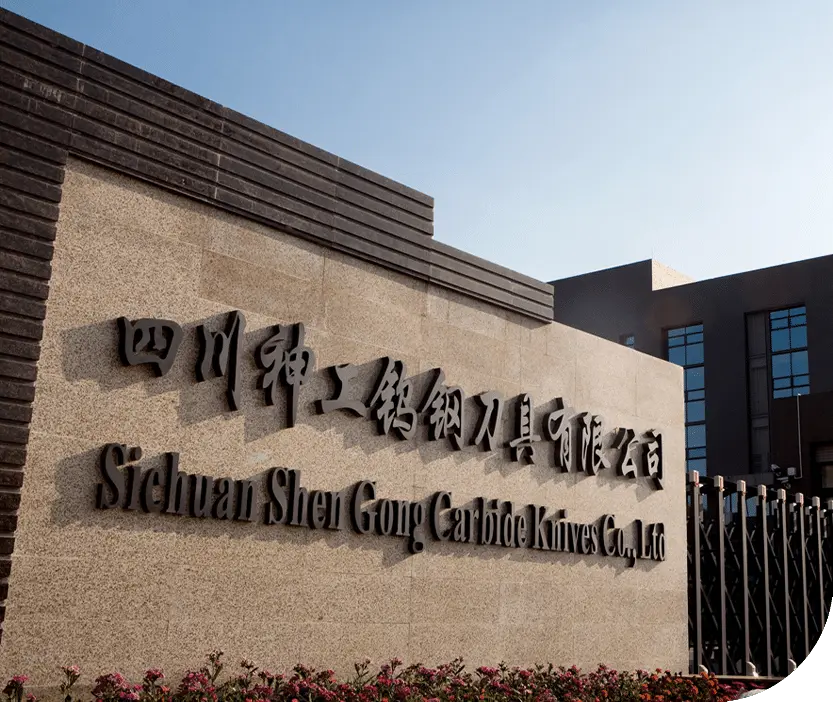
Sichuan Shen Gong Carbide Knives Co., Ltd. was established in 1998 in Chengdu, Southwest China. Over more than 25 years, Shen Gong has grown into a national high-tech enterprise, pioneering the research, development, manufacturing, and global sales of premium cemented carbide industrial knives and blades.
Spanning a fully integrated industrial park, Shen Gong boasts complete manufacturing lines for WC-based cemented carbide and TiCN-based cermet for industrial knives. Our operations range from Raw Ready-To-Press (RTP) powder formulation, through automated high-pressure sintering, to high-precision mirror polishing and strict quality control conforming to ISO9001 standards.
Connect with Our ExpertsEnsuring operational reliability through integrated support, precision manufacturing, and professional material selection.
Production is executed in complete accordance with our strict ISO quality system, guaranteeing zero-defect physical profiles and high batch-to-batch consistency. Submit your physical samples or CAD prints, and our team will handle the rest.
We look beyond the blade. Our metallurgists and engineering team partner with you to analyze slitter machine parameters, cut load pressures, and line speeds to deliver optimized cutting system solutions.
Whether examining physical geometry tolerances, tooth pitch accuracy, hardness variation, or binder-matrix composition, our analytical labs provide reliable reports to optimize your converting process.
Cherishing the finite, creating the infinite. For a greener planet, Shen Gong offers industrial re-sharpening systems and circular recycling programs for used carbide knives to help lower your carbon footprint.
Our engineering and customer service teams offer multilingual support. Reach out to our engineers with your application challenges, and receive a comprehensive proposal within 24 hours.
We work in close cooperation with international air cargo networks and major maritime shipping lines, guaranteeing rapid delivery directly to your factory in Namibia or elsewhere in the SADC zone.
In Namibia's coastal regions like Walvis Bay and Swakopmund, paper converting plants operate under high relative humidity levels. Moisture absorption in paperboard significantly changes the material's properties, causing fibers to soften and become more prone to tearing rather than shearing cleanly. Standard slitter blades running under high humidity often create a crushing effect rather than a clean cut, resulting in uneven board widths and ragged edges. We optimize the physical geometry of our tungsten carbide slitter knives by integrating an anti-sticking surface polish and a specific double-angle edge bevel. This setup ensures crisp cuts and straight lines on both heavy triple-wall industrial boards and lightweight single-face flute configurations, even under variable coastal weather conditions.
Further inland, around the high-altitude industrial areas of Windhoek, packaging plants frequently process heavy-duty corrugated board designed for agricultural exports. These export-bound shipping boxes must withstand high stacking forces, which requires the raw paperboard to contain robust resin additives and recycled starch fibers. Slicing through these dense materials accelerates adhesive residue buildup on the sides of the blade, causing friction and thermal expansion. Overheated blades warp and drift, leading to dimensional errors. Shen Gong’s special ATS (Anti-Sticking) and PVD (Physical Vapor Deposition) coated blades are specifically engineered to address this problem. The low-friction coating prevents adhesive and starch buildup, keeping the cutting edge clean and sharp to ensure long production runs with minimal downtime.
Delivering high-precision cutting tools engineered to meet the unique material demands of modern global manufacturing.
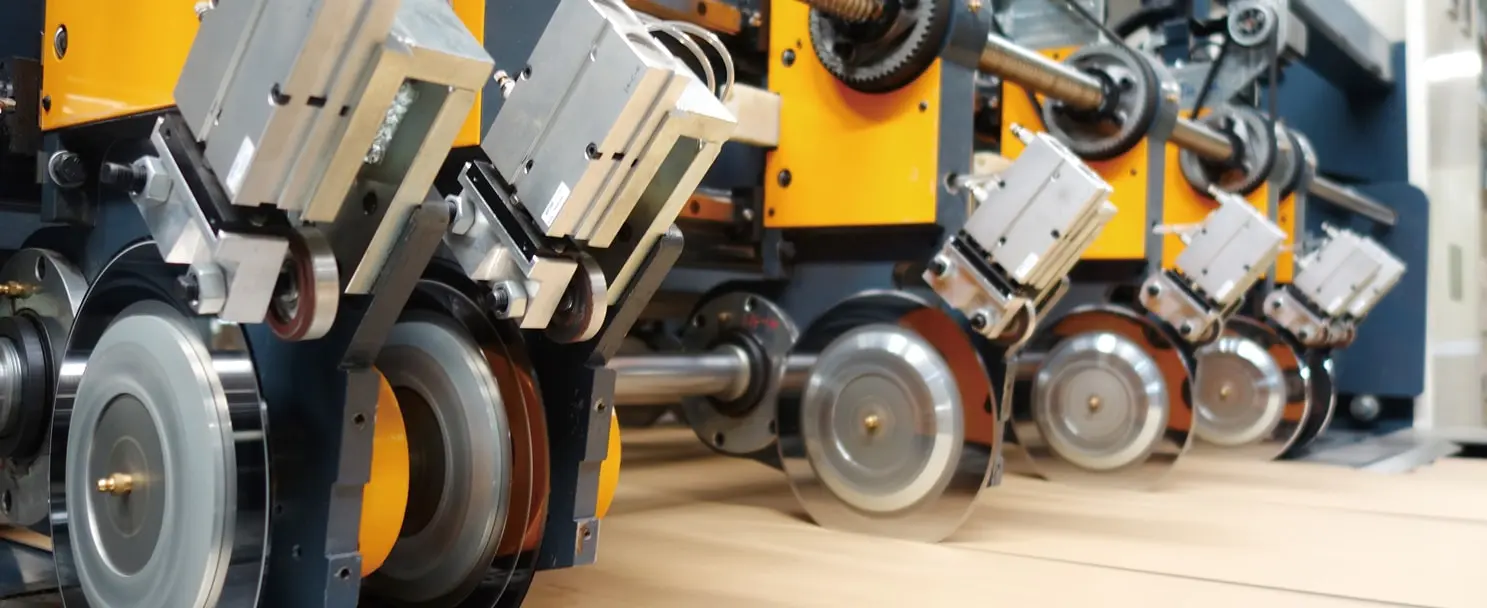
Shen Gong is a leading global manufacturer of corrugated slitter scorer knives, supplying high-performance rotary cutoff blades, grinding stones, and custom wear parts to modern box plants.
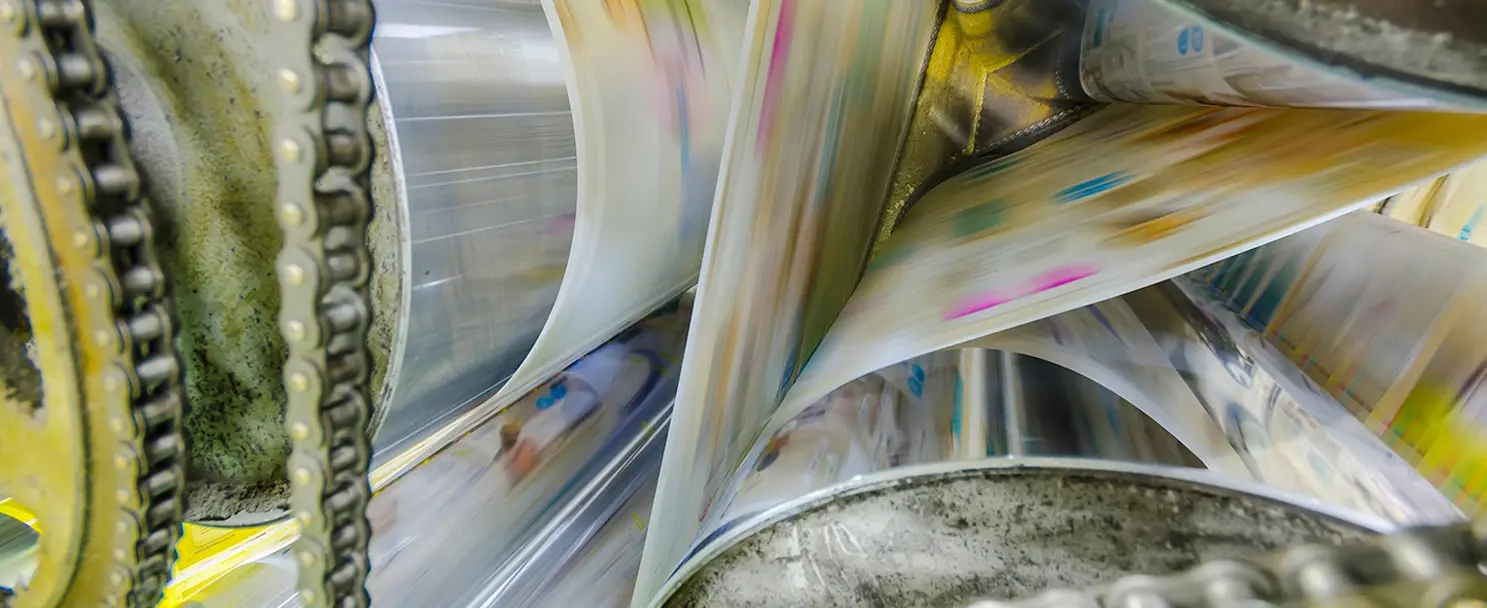
Providing advanced carbide slitting tooling with custom surface coatings (anti-sticking, wear-resistant, and dust-reducing) for fast-running paper converting lines.
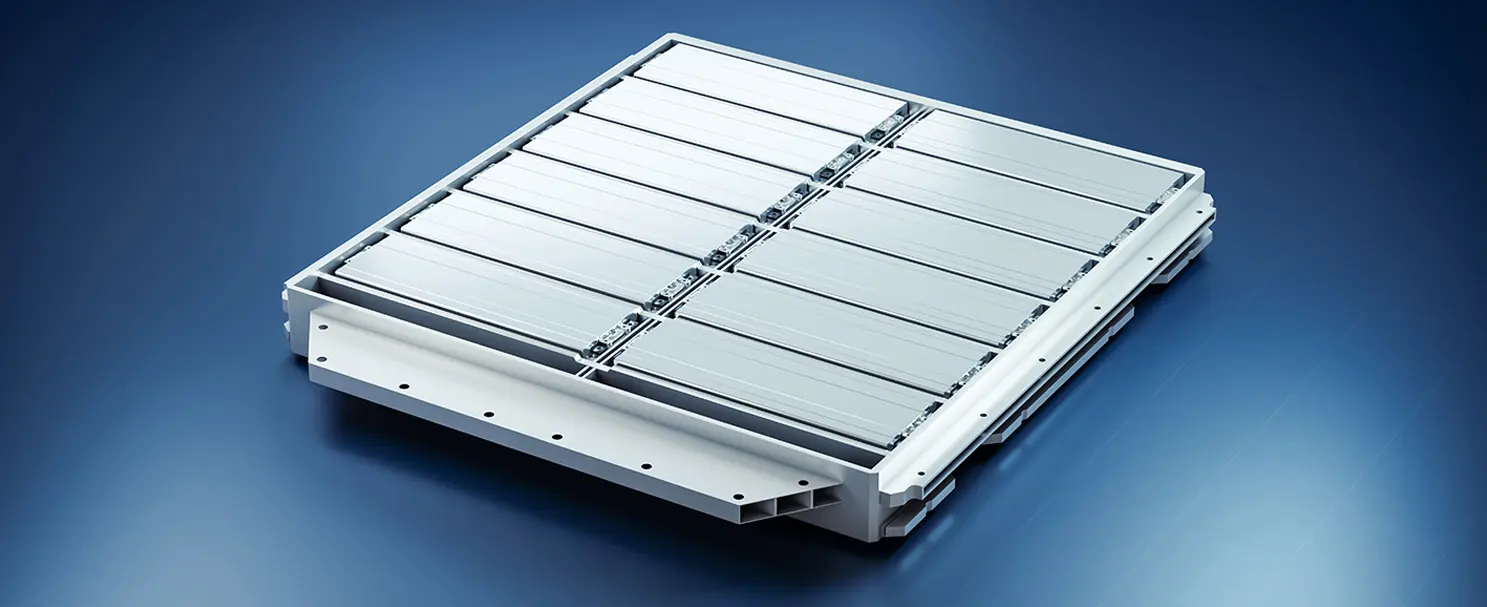
Our ultra-precise electrode slitting knives feature zero-notch, mirror-polished edges that prevent active material accumulation during battery foil slitting.
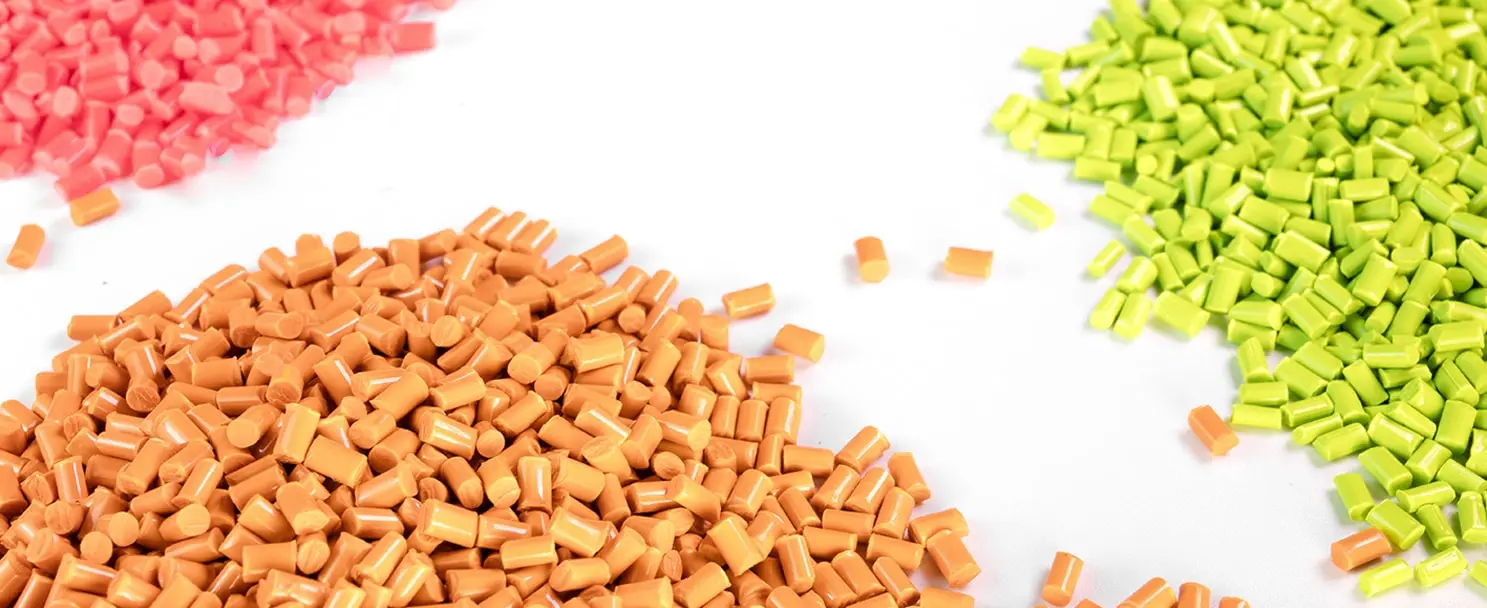
High-toughness industrial shear blades and pelletizing knives developed specifically to withstand severe impacts in waste recycling and polymer granulators.
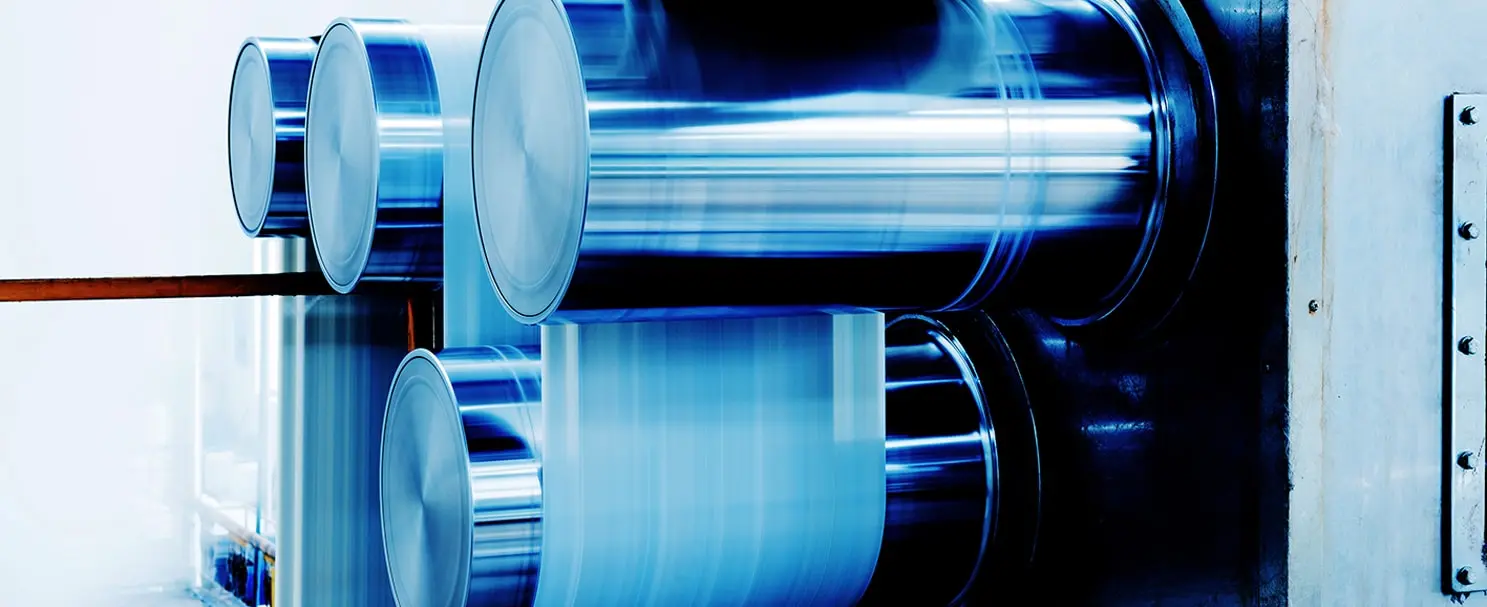
Micro-grain razor blades with highly uniform edge profiles, ensuring clean, snag-free cutting of synthetic fibers, fiberglass, and non-woven fabrics.
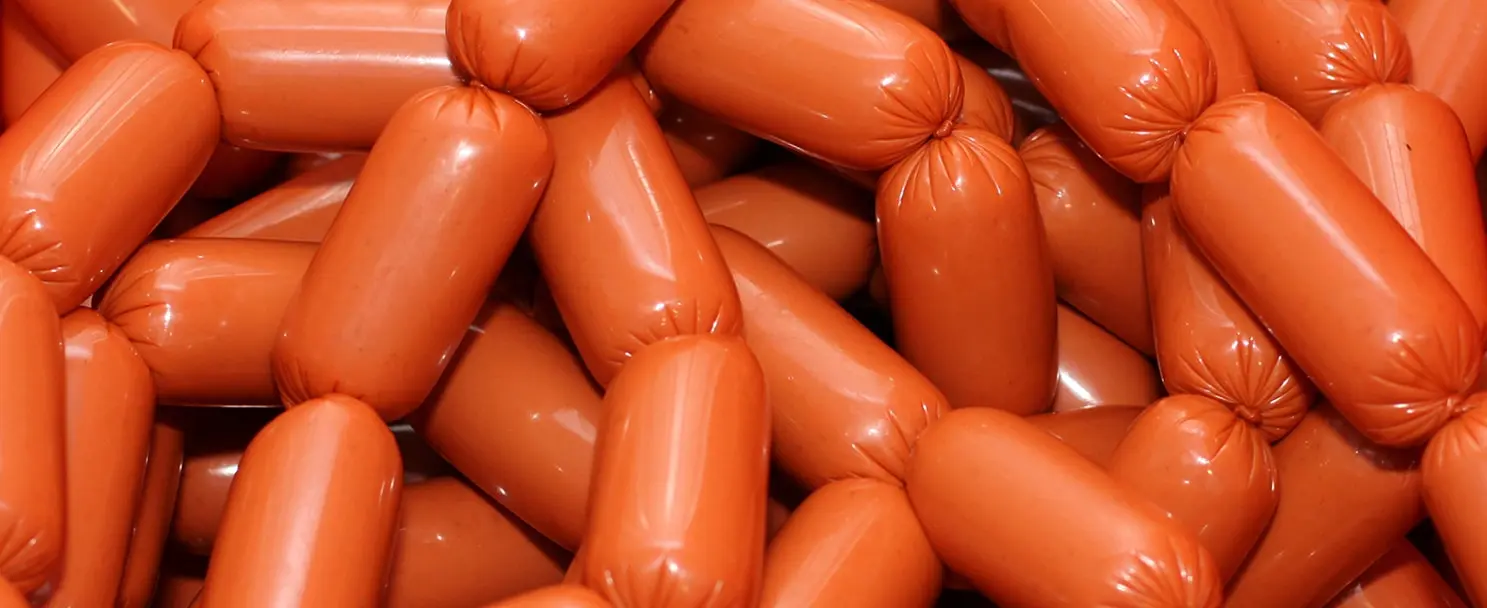
Corrosion-resistant carbide blades engineered for hygienic slicing and grinding operations in meat processing and grain milling applications.

Micro-precision blades manufactured under clean conditions to provide reliable, clean cutting edges for medical devices and surgical disposables.
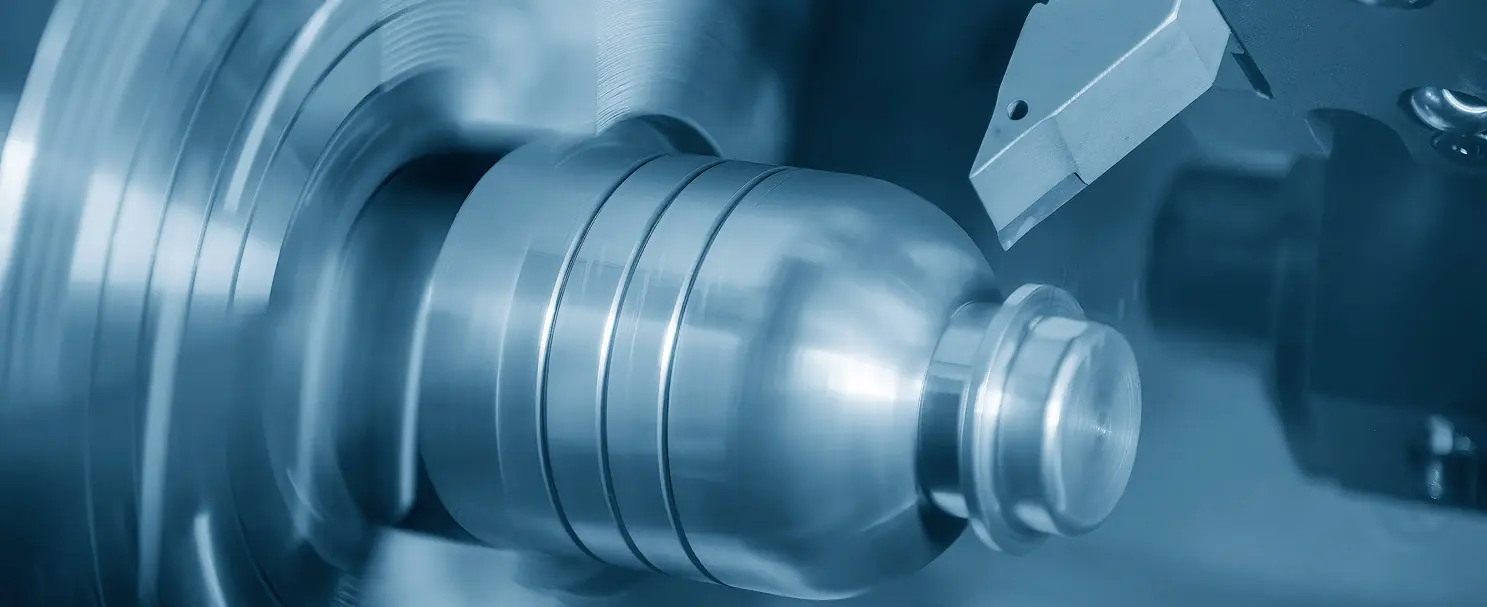
Premium cermet inserts and tool tips that resist chemical wear, delivering high surface finishes in finish-turning and milling operations.
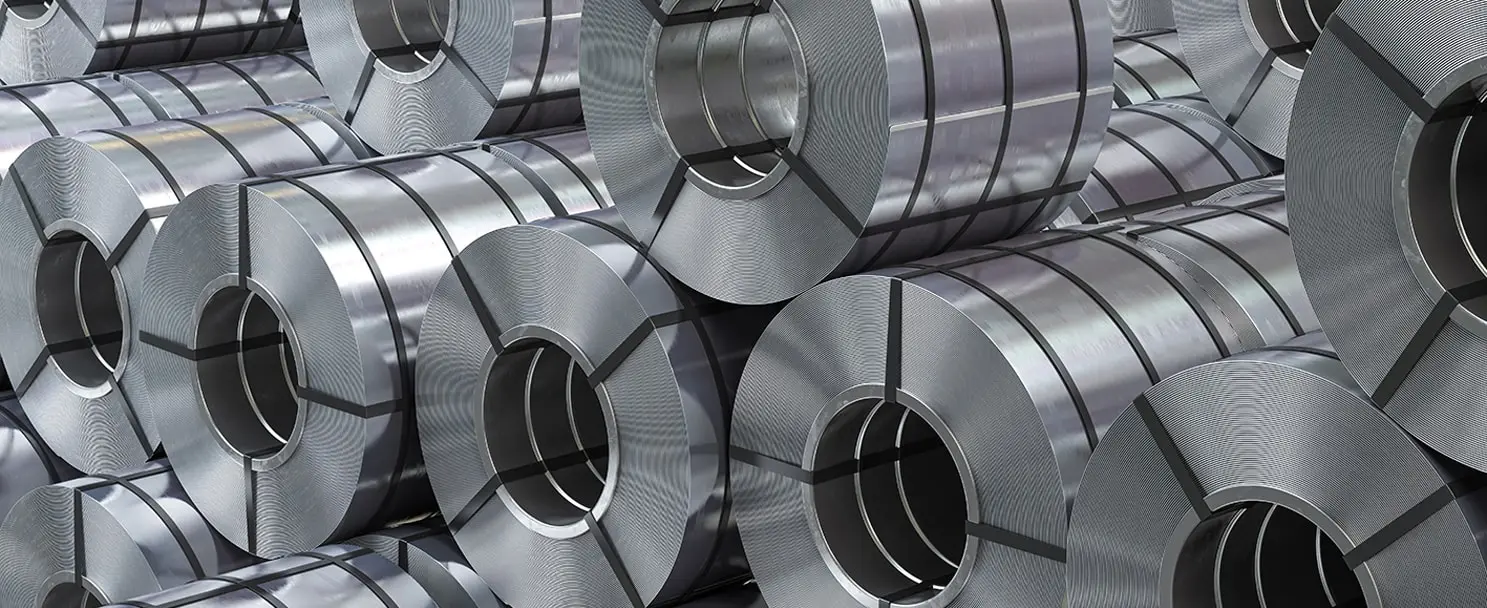
High-precision circular metal slitting blades engineered for continuous coil slitting, motor laminations, and non-ferrous foil processing.
Explore our extensive range of high-performance wear-resistant tools and industrial blades designed to optimize processing efficiency across different sectors.
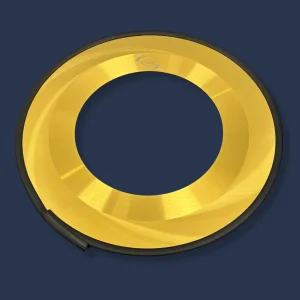
Titanium-based vapor deposition coatings improve surface hardness, protecting blades from aggressive, highly abrasive recycled fibers.
Details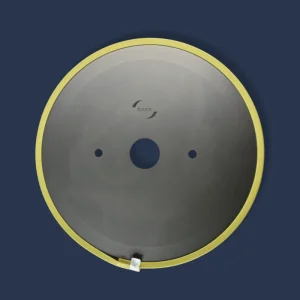
Features a proprietary chemical coating that prevents starch glue and dust buildup on the blade sides during high-speed runs.
Details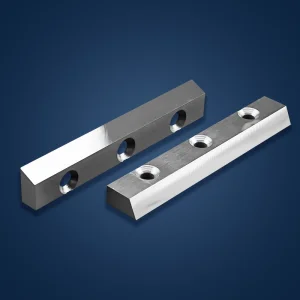
Manufactured from corrosion-resistant carbide grades to ensure long-lasting edge retention in wet, demanding food environments.
Details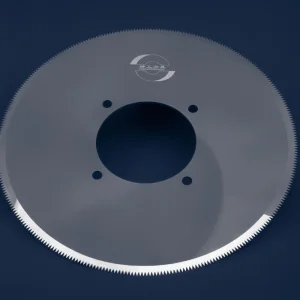
Engineered to slice thin aluminum and copper foils cleanly, minimizing burr formation and maintaining edge sharpness.
Details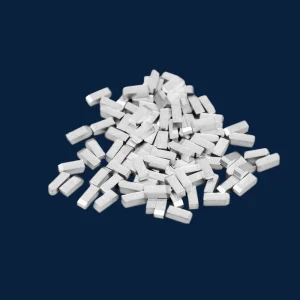
Advanced TiCN cermet tips that resist thermal fatigue and prevent material welding during high-speed metal cutting.
Details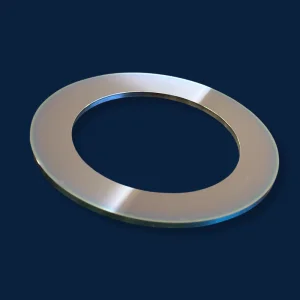
Engineered for high-end industrial slitting tasks, providing superior resistance to abrasive wear and extending blade life.
Details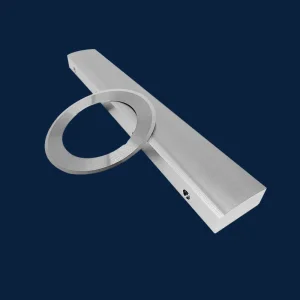
Specifically designed to cut soft tissue and wet wipe fibers cleanly, avoiding edge fraying or folding during slitting.
Details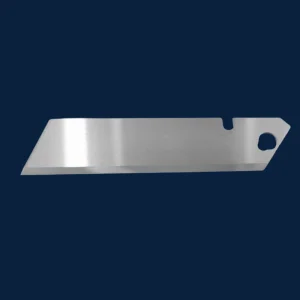
Durable, long-lasting utility knife blades built from solid tungsten carbide, designed to withstand frequent use in packaging lines.
DetailsA high-quality corrugated blade must maintain the delicate balance between hardness and fracture toughness. In metallurgy, increasing tungsten carbide hardness (by reducing the cobalt binder percentage) increases the blade's resistance to abrasive wear, but also makes it more brittle, increasing the risk of micro-chipping when it encounters hard contaminants in recycled paper. At Shen Gong, we address this trade-off by using high-purity tungsten carbide powder with a sub-micron grain size distribution. We sinter these materials using high-pressure Sinter-HIP systems, which eliminates internal micro-voids and ensures a uniform, dense material matrix. This allows us to achieve a hardness of 91.5 to 92.5 HRA while maintaining excellent impact toughness.
Equally critical is the edge-sharpening process. Standard grinding techniques often leave microscopic grinding lines and heat-induced stresses along the blade edge, which can lead to micro-fractures under load. To prevent this, Shen Gong uses automated multi-stage CNC grinding systems to produce a mirror-polished finish (surface roughness Ra < 0.02μm). This ultra-smooth finish minimizes friction between the paper fibers and the blade, reducing heat buildup and paper dust. Keeping the cutting edge clean and sharp reduces paperboard crushing, which ensures clean cuts, maintains flute strength, and extends blade life on high-speed corrugating machines.
Follow our technical developments, holiday updates, and international client case studies.
Answers to common technical questions about sourcing, operating, and maintaining industrial carbide blades in the packaging sector.
Tungsten carbide offers much higher hardness (91-93 HRA) and wear resistance compared to standard HSS. In Namibia, where recycled paperboard often contains highly abrasive mineral fillers and silicate particles, HSS blades wear down quickly, requiring frequent sharpening. Tungsten carbide blades maintain their sharp edge up to 10 times longer, dramatically reducing machine downtime and sharpening costs.
Physical Vapor Deposition (PVD) coatings apply a thin layer of titanium or chromium-based compounds, which increases surface hardness and lowers friction. Anti-Sticking (ATS) coatings prevent adhesive residue, starches, and paper dust from sticking to the blade sides. This helps prevent heat buildup and blade warping, ensuring clean, straight cuts and longer tool life during high-speed runs.
High humidity softens paperboard fibers, making them harder to cut cleanly. This often causes the blade to crush the paper rather than slice it, which generates excessive dust and accelerates adhesive buildup. Using carbide blades with optimized bevel angles and a mirror-polished finish (Ra < 0.02μm) helps ensure clean, precise cuts even in high-humidity coastal environments.
For standard blade sizes held in stock, dispatch occurs within 48 hours. Custom orders requiring special dimensions or custom carbide formulations typically take 4 to 6 weeks for precision manufacturing and heat treatment. We coordinate with major global air freight networks and ocean shipping lines to ensure reliable delivery directly to Namibian ports and industrial centers.
Yes. We have a dedicated R&D team and full-cycle manufacturing capabilities, allowing us to produce custom circular and straight industrial knives. Simply provide your CAD drawings, dimensional specifications, or physical samples, and our engineers will create detailed manufacturing drawings for your approval.
Connect with our engineering sales team to request custom quotes, discuss material formulations, or arrange sample testing for your packaging facility in Namibia.
Send Inquiry Now Shen Gong Carbide