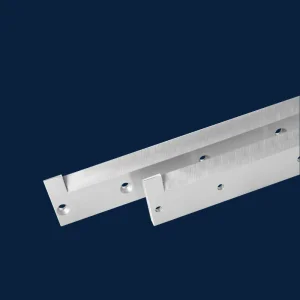
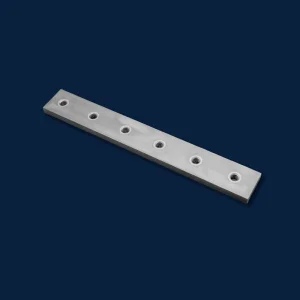
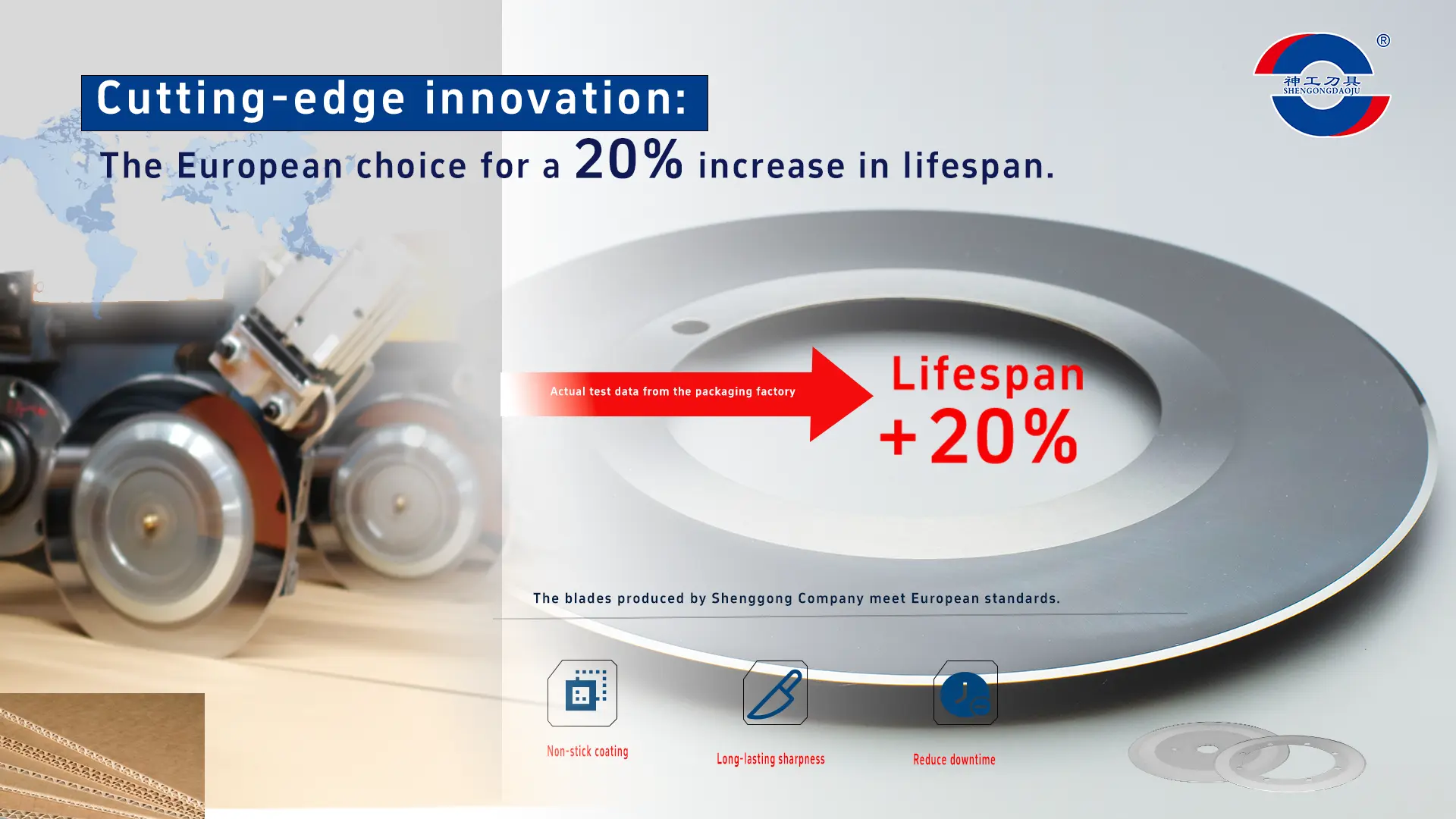
High-grade tungsten carbide knives engineered to match the heavy duty requirements of food mills and packaging plants.
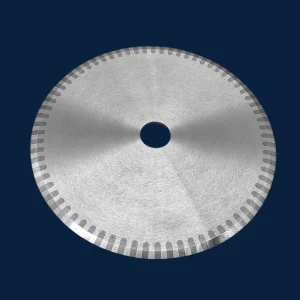
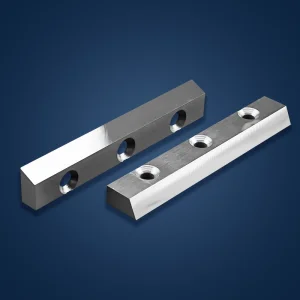
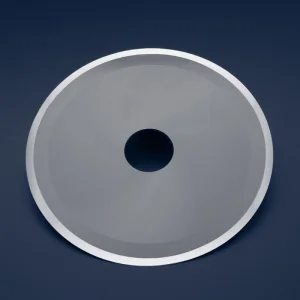
The industrial landscape of the Kingdom of Lesotho is undergoing a dynamic structural shift. Led by initiatives from the Lesotho National Development Corporation (LNDC), the nation is actively working to diversify its manufacturing core, moving from its historically prominent apparel textile base towards value-added agro-processing and food manufacturing. Historically dependent on direct food imports from neighboring South Africa, local milling operators and food producers in Maseru, Maputsoe, and Mafeteng are rapidly localizing production. This shift demands high levels of mechanical automation and precision processing components—particularly food grade slicing, milling, and slitting knives.
"For Lesotho grain mills and processing plants to achieve self-sufficiency, downtime is the enemy. Tool life optimization of milling cutter heads and food slitter blades is directly tied to the financial viability of local supply chains."
Lesotho’s food manufacturing sector is heavily centered on grain milling—specifically the processing of maize meal (the national staple) and wheat flour. Large-scale mills operate continuous production pipelines where high-velocity circular cutters and cermet fluting inserts work in extreme conditions. The presence of abrasive minerals in raw grains requires industrial knives with exceptional hardness parameters. Conventional tool steels wear out prematurely under these conditions, causing cutting deviations, heat generation, and frequent line stoppages. By transitioning to high-purity micro-grain tungsten carbide, milling factories can prolong blade lifespan, ensuring consistent particle size control and hygienic cuts.
Food processing enterprises are subject to strict regulatory oversight regarding contact materials. Global standards, such as those from the FDA and European food-grade directives (EC 1935/2004), demand that cutting tools are chemically inert and resistant to oxidation. Cobalt leaching from poor-quality carbide matrix materials presents a significant contamination risk. Modern global procurement requires that suppliers guarantee advanced grade structures, such as nickel-bound cermets or corrosion-resistant submicron carbide grains, which maintain edge integrity even under exposure to organic food acids and sanitation chemicals.
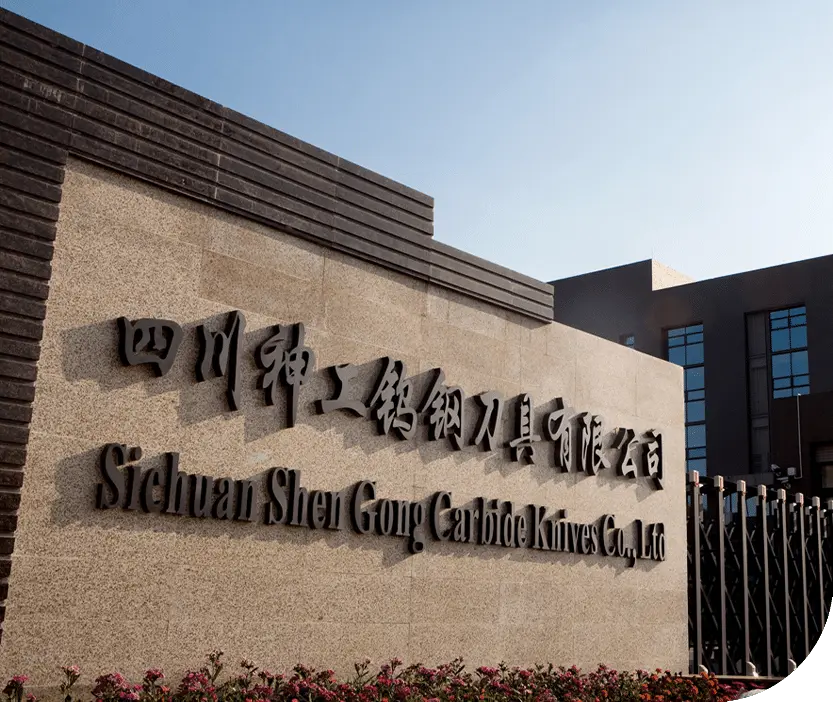
Established in 1998 in Chengdu, Southwest China, Sichuan Shen Gong Carbide Knives Co., Ltd. has grown from a specialized workshop into a global industrial leader. Our Facility 4.0 integrates the complete tungsten carbide production cycle—from Ready-To-Press (RTP) powder preparation to final precision grinding and vacuum metallurgical testing.
For procurement managers in Lesotho, this integrated production model ensures complete control over raw materials and structural properties. Our advanced HIP (Hot Isostatic Pressing) sintering techniques eliminate micro-voids in the carbide matrix, resulting in exceptional impact strength. We maintain rigorous quality control systems to ensure that every shipment bound for southern Africa matches exact dimensional parameters.
Delivering high-performance, cost-effective cutting solutions through advanced material science and customer-focused engineering.

Manufactured in strict compliance with the ISO 9001 quality system, ensuring batch-to-batch consistency. Share your technical drawings or physical samples, and we will handle the rest.

We provide comprehensive slitting and cutting engineering. Our dedicated R&D team develops custom blade angles and geometries to solve specific slicing problems.

We utilize advanced testing tools, including scanning electron microscopy (SEM) and hardness testers, to analyze microstructures and verify geometric dimensions.

We promote circular economy practices by offering specialized re-sharpening programs and tungsten reclamation pathways to reduce waste and lower production costs.

Our sales engineering division provides responsive, multilingual support. We supply detailed technical quotes and analysis within 24 hours of your inquiry.

We partner with major international carriers to ensure reliable shipping and customs clearance, delivering direct to Maseru and industrial centers worldwide.
Modern food processing and manufacturing require specialized cutting setups. Here is how Shen Gong’s industrial knives optimize specific production lines in Lesotho:
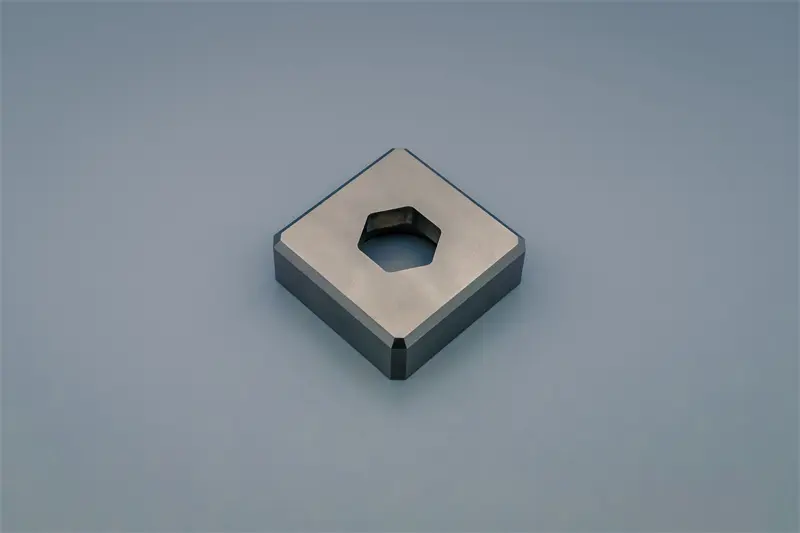
1. Maize & Wheat Milling Fluting Inserts: Continuous processing of dry grains requires roller mills fitted with highly wear-resistant tungsten carbide fluting tools. Our cermet and carbide inserts maintain sharp profiles for longer periods, reducing energy usage and improving yield consistency.
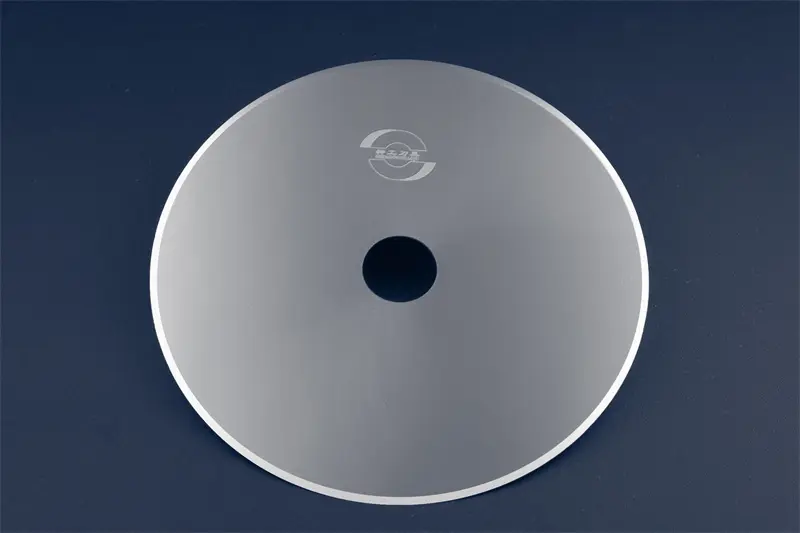
2. Meat & Poultry Portioning: Industrial meat processing lines require circular slicing blades that can cut through tissue and bone without chipping. Shen Gong's high-toughness carbide alloys are designed to handle impact forces without microscopic blade fracturing.
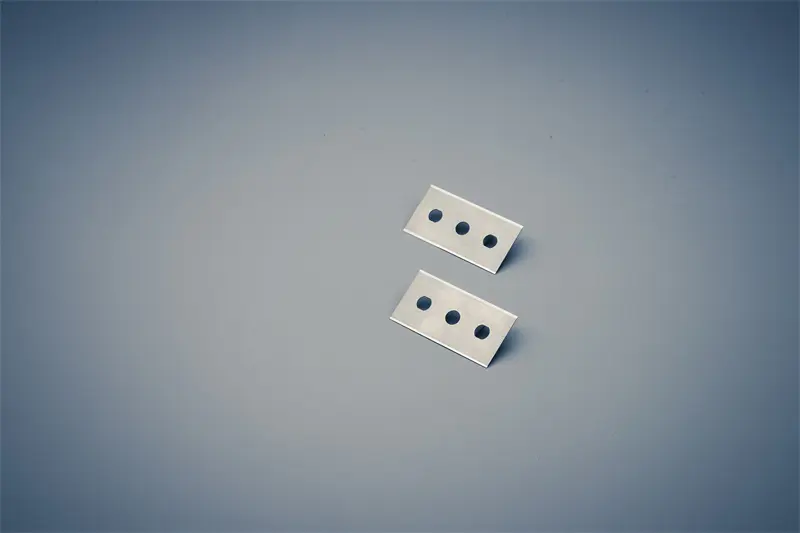
3. Automated Packaging and Bagging: Food packaging facilities use high-speed vertical form fill seal (VFFS) systems that require reliable guillotine blades. Our anti-adhesion and corrosion-resistant thin blades ensure clean cuts through multi-layer plastic and laminate films, preventing sealing failures.
We design and manufacture specialized cutting solutions for diverse manufacturing sectors worldwide.
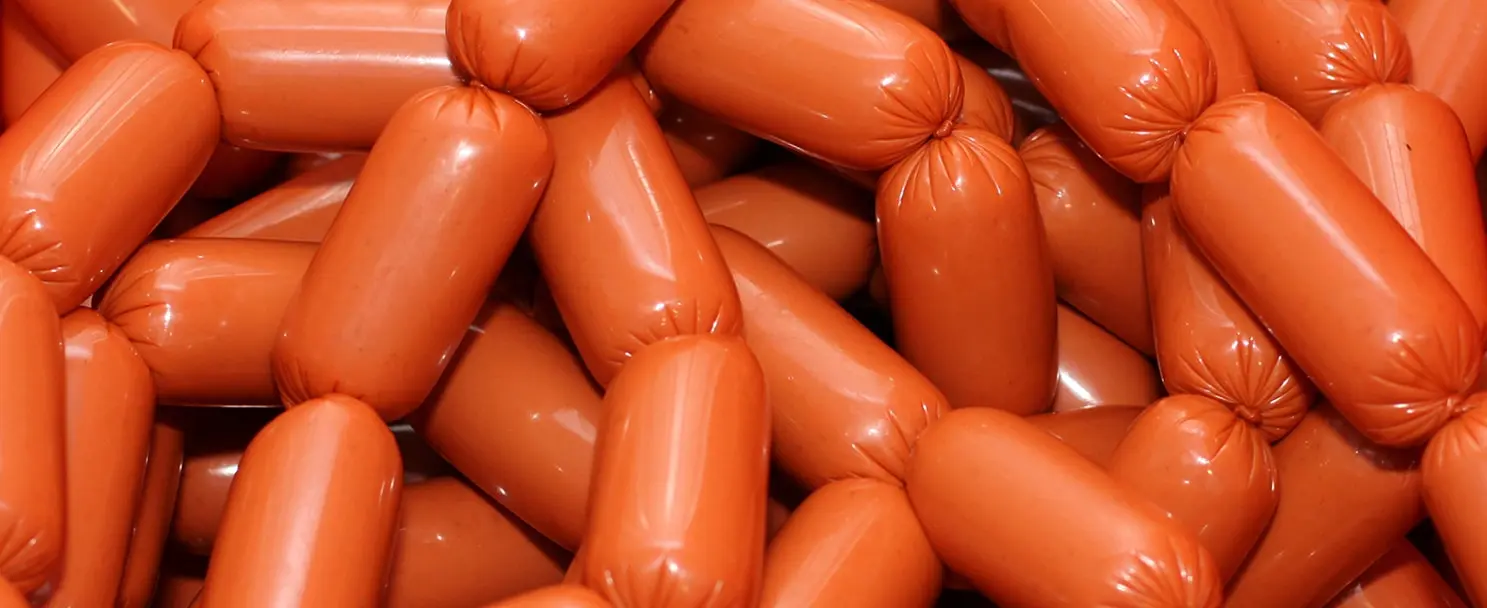
Specialized knives and circular blades designed for meat slicing, grain milling, sauce grinding, and nut processing.
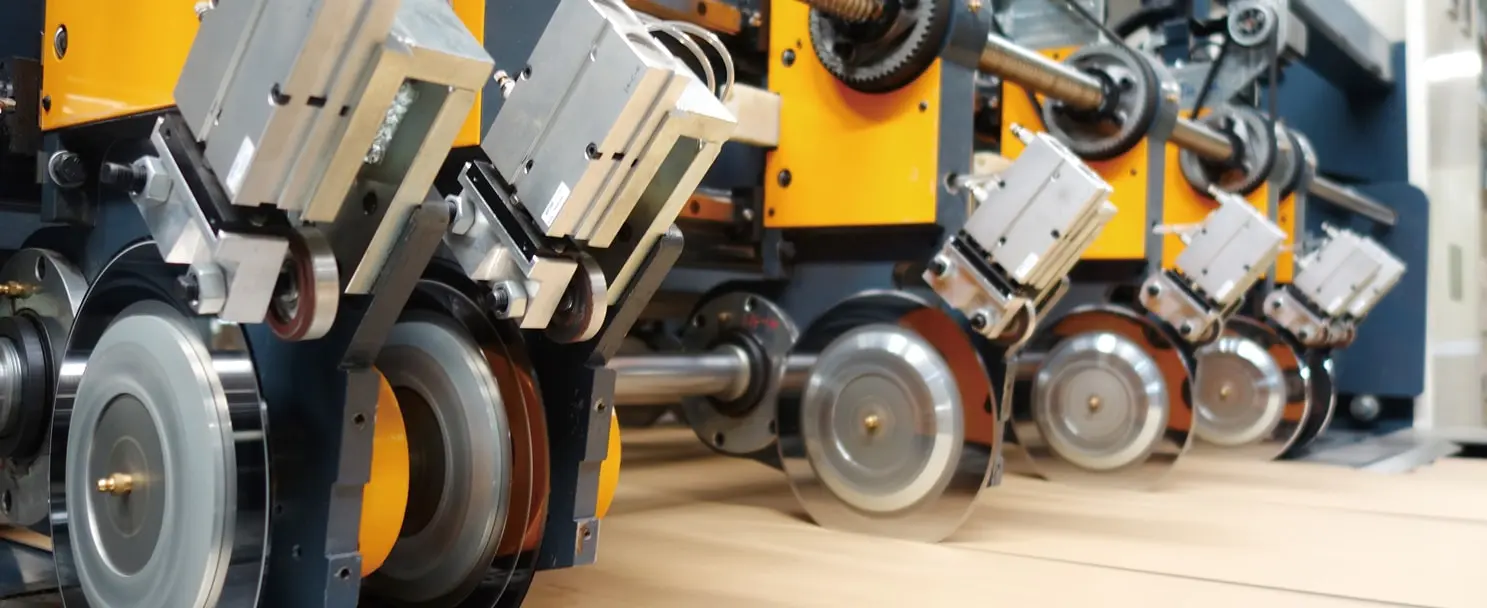
Shen Gong is a leading manufacturer of corrugated slitter scorer knives, and also supplies resharpening wheels and cross-cut blades.
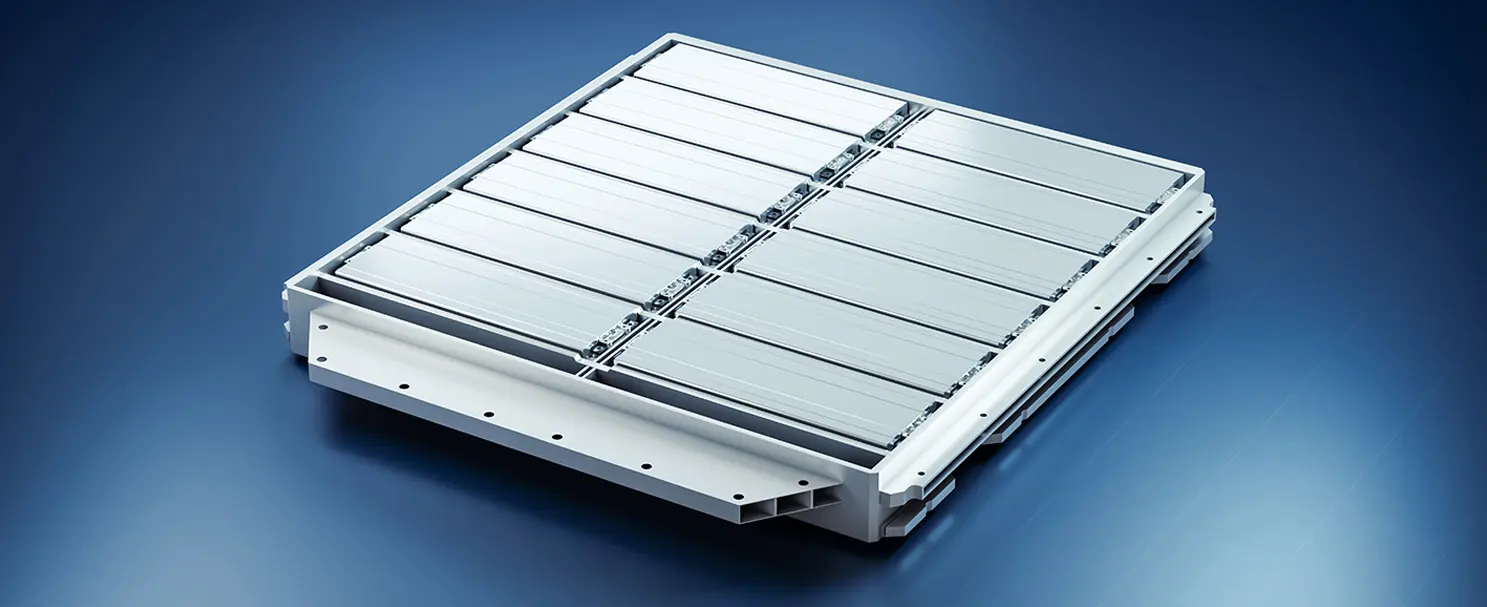
Precision slitting knives engineered for battery electrodes, featuring mirror-finish edges to prevent coating adhesion.
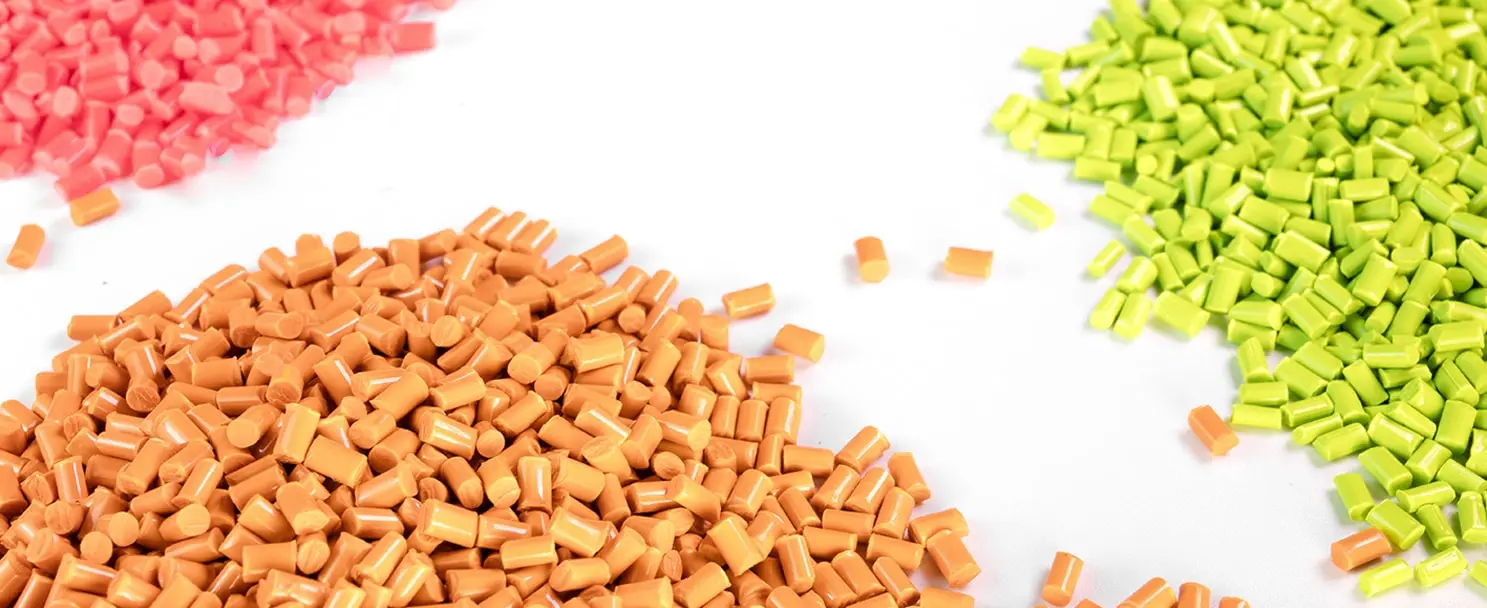
High-toughness carbide pelletizing knives and heavy-duty shredder blades for plastics recycling plants.
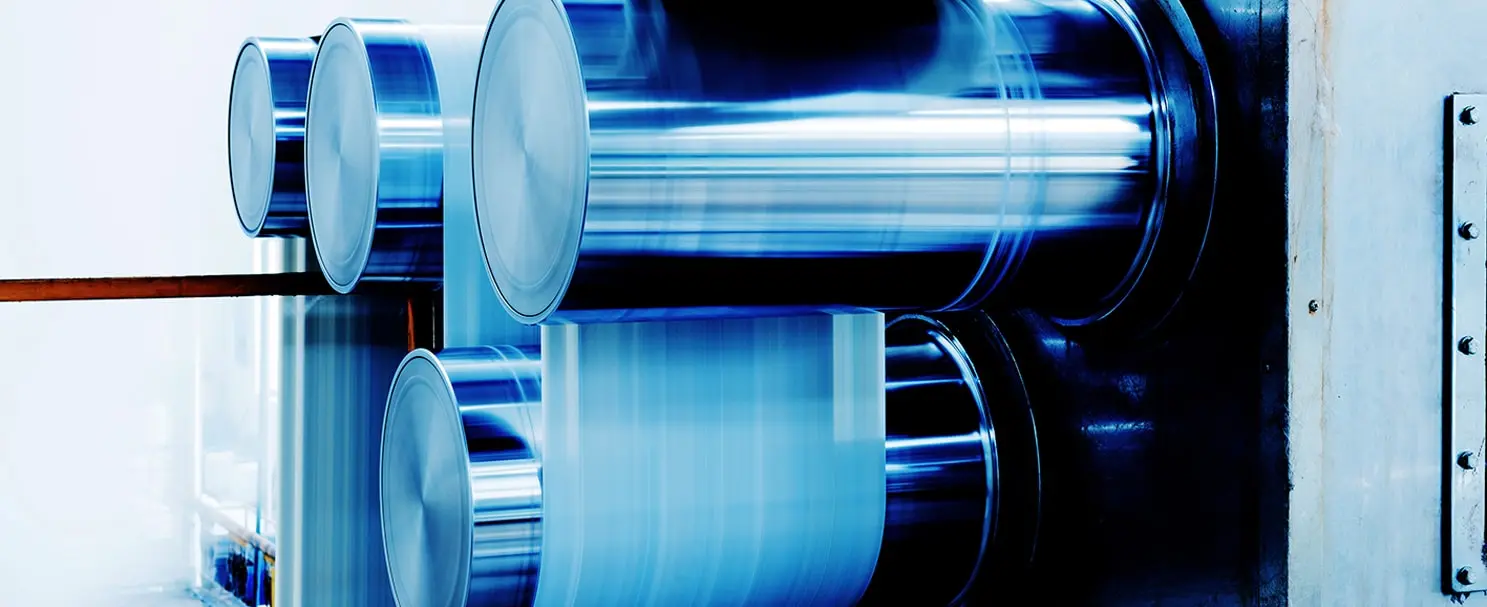
High-precision razor blades designed for clean cuts and minimal shedding in synthetic fiber manufacturing.
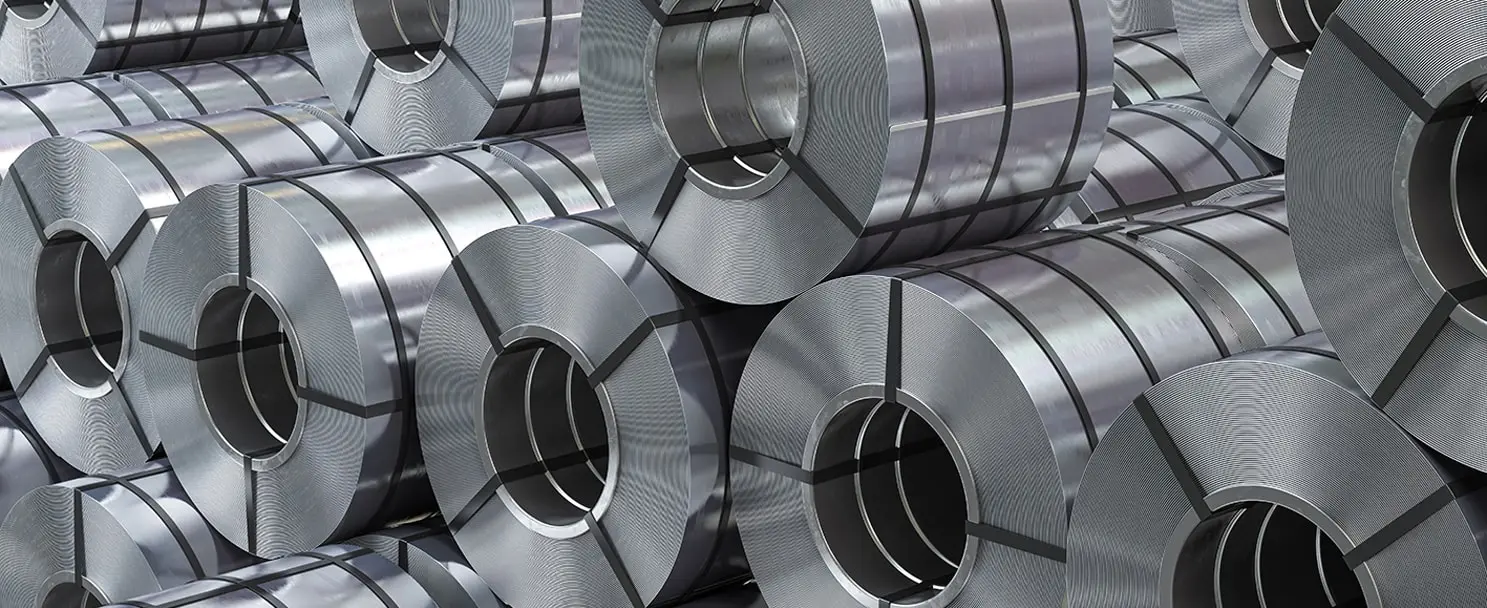
Precision shear slitting knives widely used for cutting silicon steel sheets, non-ferrous foils, and thin metal plates.
Engineered to meet industrial standards across global food milling and packaging sectors.
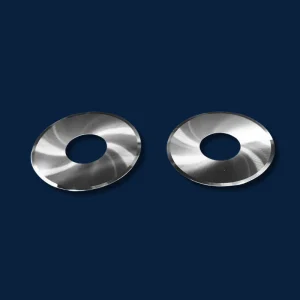

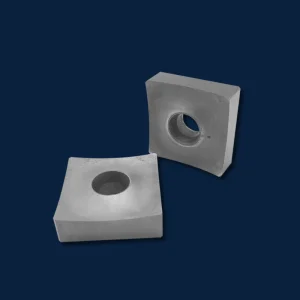
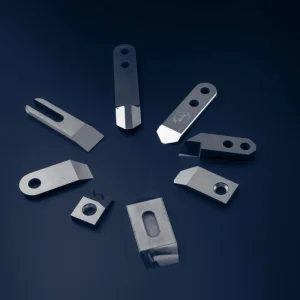
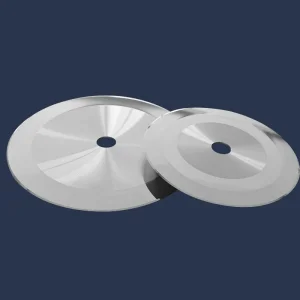
Custom-engineered industrial cutting and slitting configurations designed for long-term production stability.
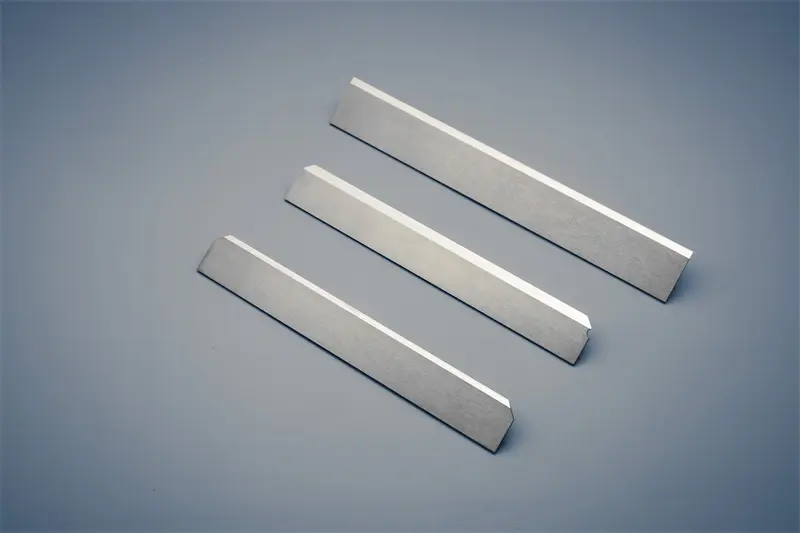
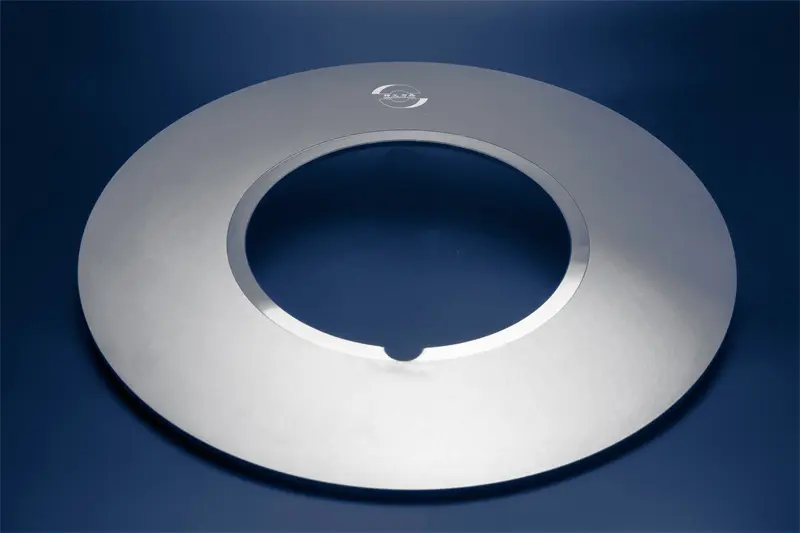
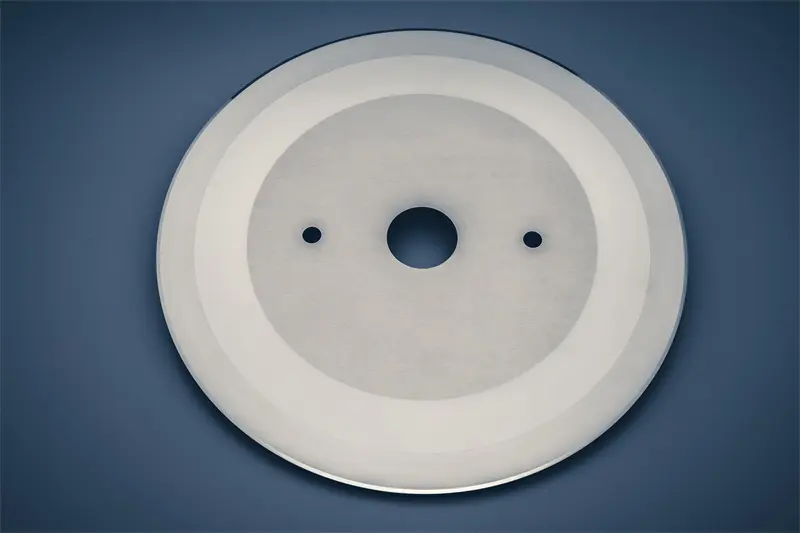

Stay updated with material science progress and practical field reports on slitting efficiency.
Answering technical questions from plant engineers and purchasing departments.
 Shen Gong Carbide