Explore our leading precision cutting and milling blades engineered for demanding manufacturing processes across plastics, paper, metals, and battery production lines.
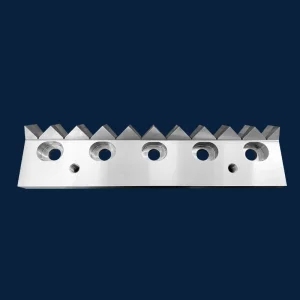
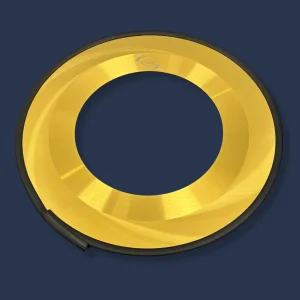
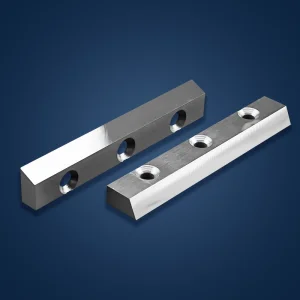
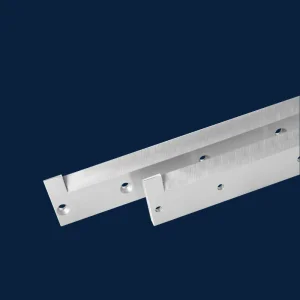
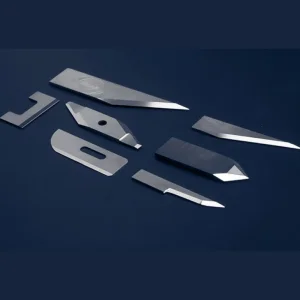
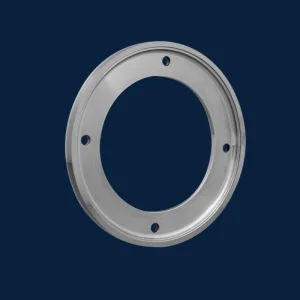
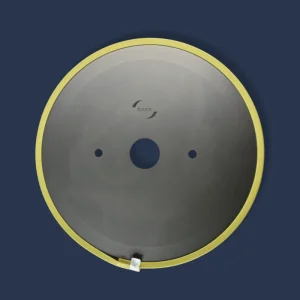
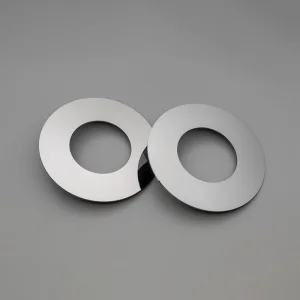
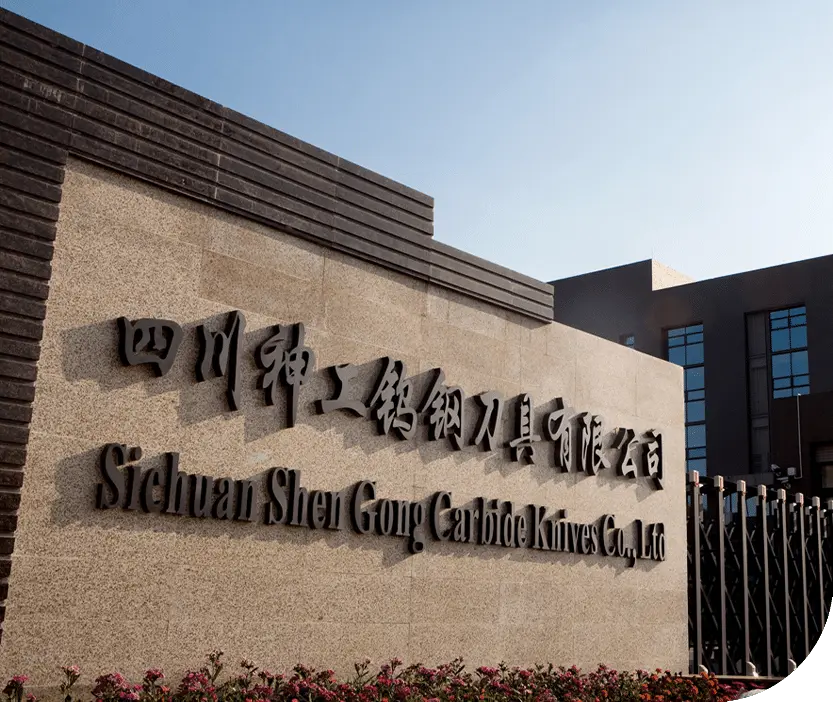
Sichuan Shen Gong Carbide Knives Co., Ltd. was established in 1998 in Chengdu, Southwest China. Over the past two decades, we have evolved into a national high-tech enterprise specializing in the research, development, custom engineering, and manufacturing of cemented carbide and TiCN-based cermet industrial knives and blades.
Shen Gong features fully integrated vertical production lines. Our manufacturing capabilities span from raw RTP (Ready-to-Press) powder preparation to precision pressing, sinter-HIP, profile grinding, PVD/CVD coating, and mirror-finish polishing. This closed-loop process ensures consistent high-precision dimensional tolerances, exceptional edge durability, and reliable mechanical properties.
Delivering precision-manufactured industrial knives supported by rigorous quality control and material research.
High-precision tungsten carbide blades engineered for diverse industrial slitting and converting applications.
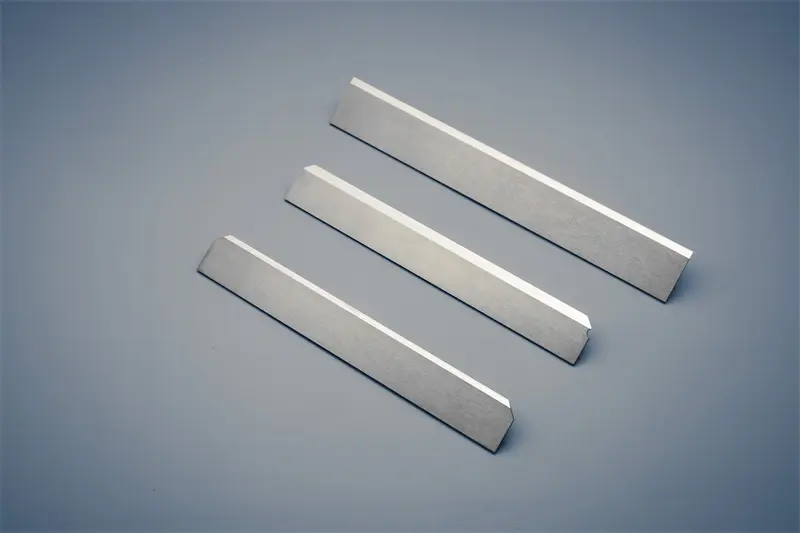
Engineered for cutting synthetic filaments, nylon, and glass fibers with minimized abrasive wear.
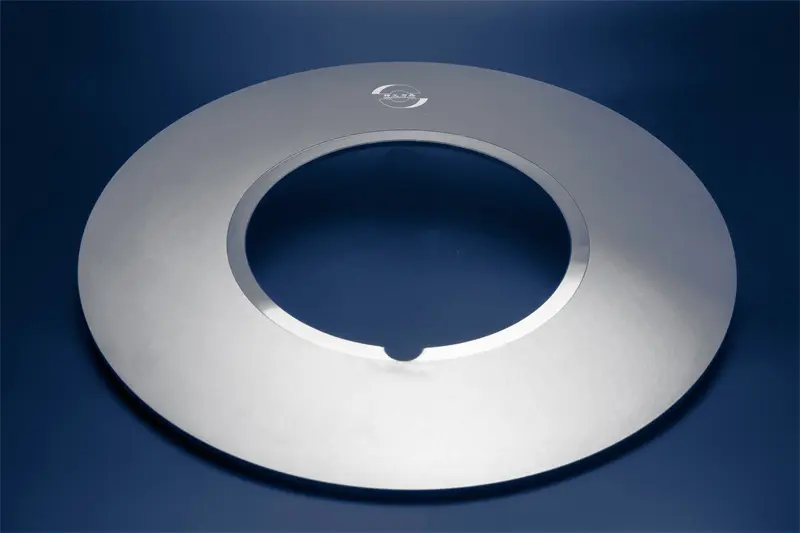
High-precision rotary shear knives designed for metal sheet processing and silicon steel coil slitting.
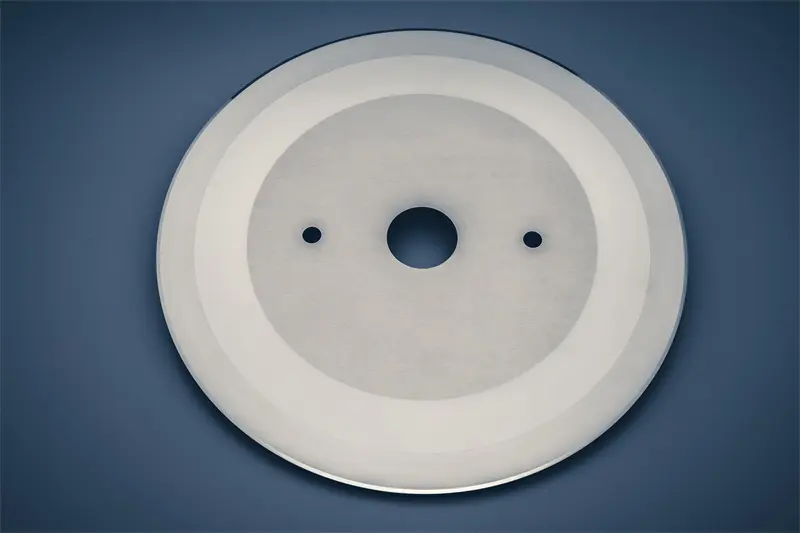
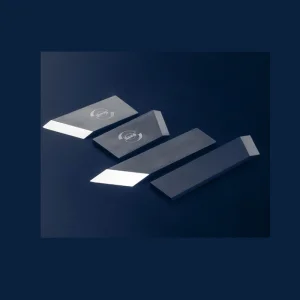
Ultra-thin tungsten carbide scorer blades designed for clean scoring and slitting of corrugated boards.
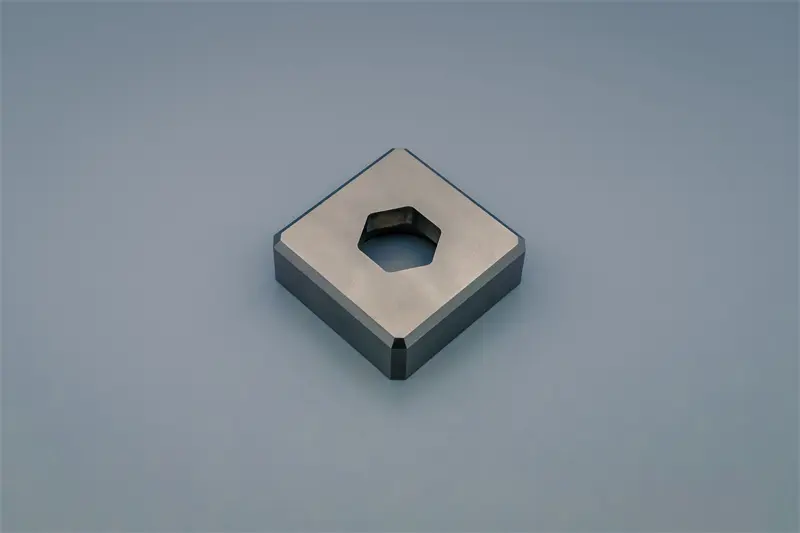
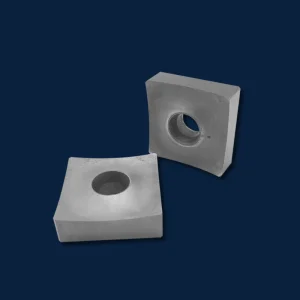
Impact-resistant carbide crusher and shredder blades optimized for recycling plastics and elastomers.
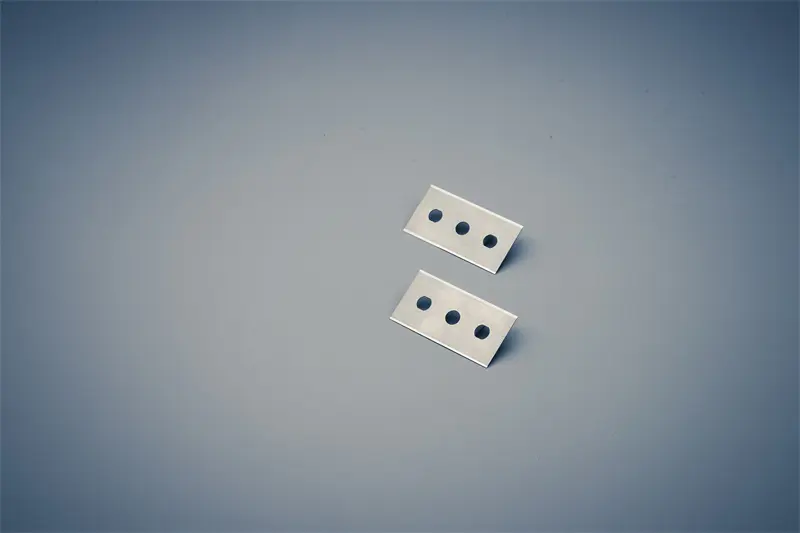
Exceptional sharpness and surface finish for thin packaging films, foils, and adhesive tapes.

Precision mirror-finished circular slitting knives to prevent electrode material adhesion and burring.
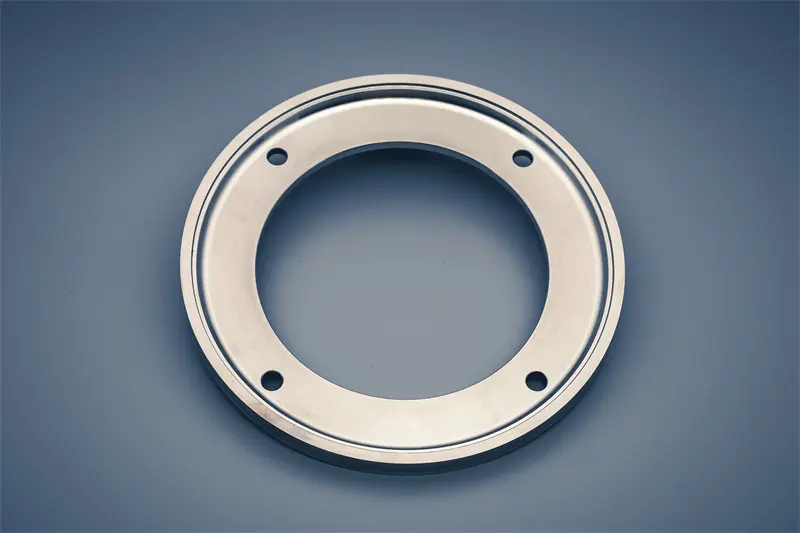
Bottom slitter rings and sleeves designed to pair with top blades for clean paper-edge slitting.
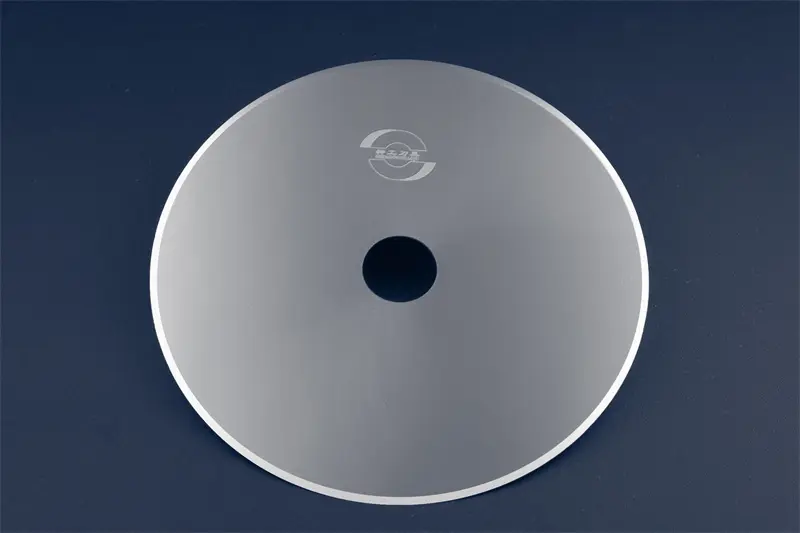
Circular cutters for paper tubes, cigarette filters, and industrial core winding machines.
Navigating the technological advancements in powder metallurgy, grain refinement, and edge coatings to meet high-speed manufacturing demands.
The manufacturing paradigm of industrial cutting and milling blades is undergoing a technological transition driven by demands for tighter dimensional tolerances, higher operating speeds, and minimized manufacturing downtime. At the core of this transition is the optimization of cemented carbide microstructures. Traditionally, standard grade tungsten carbide (WC) utilized average grain sizes between 1.5 μm and 3.0 μm. Modern manufacturing demands submicron (0.5 μm to 0.8 μm) and nano-grain WC particles, which yield a high combination of hardness and fracture toughness. This structure prevents micro-chipping along the cutting edge, which is the primary driver of premature blade failure during high-cycle converting runs.
Simultaneously, the development of titanium carbonitride (TiCN)-based cermet materials has introduced a low-affinity tool surface for ferrous metals. This chemical stability makes cermets ideal for high-speed finish-machining, where minimizing built-up edge (BUE) and maintaining surface roughness (Ra) values under 0.05 μm are critical. Our technical roadmap emphasizes advanced sintering controls, specifically Sinter-HIP (Hot Isostatic Pressing) technology, which applies simultaneous high pressure and heat to eliminate micro-voids, increasing transverse rupture strength (TRS) by up to 30% compared to vacuum-sintered alternatives.
| Material Family | Vickers Hardness (HV30) | TRS (MPa) | Primary Wear Mechanism | Recommended Application |
|---|---|---|---|---|
| Submicron WC-Co Carbide | 1650 - 1850 | 3200 - 4000 | Abrasive Wear, Micro-fracture | Corrugated paper slitting, packaging, recycling |
| Nano-Grain Carbide | 1900 - 2100 | 2800 - 3400 | Thermal Cracking, Coating delamination | Li-ion battery electrodes, metal thin-foil slitting |
| TiCN Cermets | 1550 - 1700 | 2000 - 2500 | Adhesive wear, Chemical diffusion | High-speed steel machining, low-carbon steel finishing |
| Structural Ceramics | 1800 - 2200 | 800 - 1200 | Brittle chipping, Thermal shock | Ultra-clean polymer slitting, corrosive environments |
Material optimization is paired with customized Physical Vapor Deposition (PVD) and Chemical Vapor Deposition (CVD) coatings. Applying thin layers of AlTiN (Aluminum Titanium Nitride), DLC (Diamond-Like Carbon), or multilayered CVD diamond increases surface hardness (up to 80 GPa for diamond coatings) while lowering the coefficient of friction. This reduces heat generation at the tool-workpiece interface during high-speed slitting. Furthermore, we implement micro-honing of cutting edges using advanced brush and drag-finishing processes. This rounded edge design (ranging from 2 μm to 10 μm radius) reduces concentrated mechanical stresses, preventing chipping while maintaining clean shearing action.
The next phase of industrial tooling centers on integration with Industry 4.0 infrastructure. We are actively researching "smart tooling" concepts, where embedded micro-sensors or RFID tracking systems monitor blade temperature, axial runout, and acoustic emission profiles in real-time. This data feeds into predictive maintenance systems to forecast tool wear patterns and schedule blade replacements prior to product damage. Additionally, resource conservation and sustainability drive the implementation of localized recycling systems. Shen Gong is expanding its post-consumer cemented carbide reclamation program, processing worn blades back into premium-grade recycled tungsten carbide powder to reduce raw material extraction dependencies.
Tailored material selections and design modifications engineered to address sector-specific production challenges.
In the lithium-ion battery sector, precision slitting of cathode and anode materials (coated with active materials like NCM and LFP onto aluminum and copper foils) is a critical quality step. The presence of cutting burrs, edge waves, or magnetic contamination can lead to separator damage, resulting in internal short circuits and battery failure. Shen Gong's solution features ultra-fine grain tungsten carbide rotary shear knives with a mirror-finish edge (roughness Ra < 0.02 μm). This highly refined cutting edge prevents the adhesion of battery slurry residues, minimizing downtime for blade cleaning and ensuring clean, burr-free slitting profiles over millions of cuts.
High-speed corrugating machines run continuously, creating an abrasive and high-heat environment. Standard blades dull rapidly, causing crushed flutes, ragged edges, and excessive paper dust, which compromises printing quality. Our custom PVD-coated and anti-sticking (ATS) corrugated slitter scorer knives maintain high thermal stability and abrasion resistance. They operate at linear speeds exceeding 350 m/min, extending blade life by 20% to 50% compared to uncoated tools. This wear resistance reduces paper dust, protects downstream equipment, and maintains the structural integrity of the corrugated board.
Converting synthetic polymer films, non-wovens, and medical plastics requires blades with clean sharpness to prevent polymer melting and edge tearing. Our razor blades and circular cutters utilize precise bevel angles and optimized hardness ratios to minimize friction, ensuring clean cuts at high processing speeds. For abrasive food packaging films, we supply custom ceramic slitting knives that act as long-lasting alternatives to cemented carbide. These blades offer corrosion resistance and zero chemical reactivity, ensuring compliance with food-safety standards.
Select your manufacturing sector to view our specialized industrial knife and tooling systems.
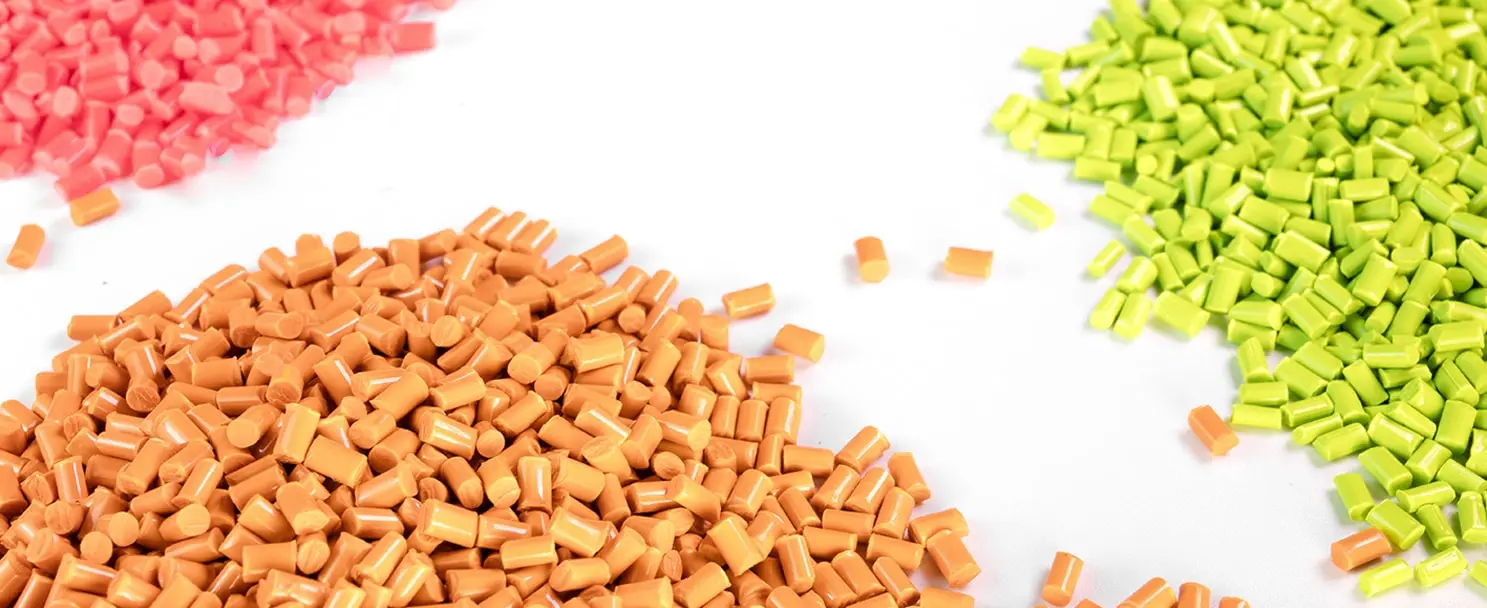
High-toughness carbide pelletizing and shredding knives developed for plastic compounding and scrap rubber recycling operations.
View Range →
Razor blades designed for synthetic fiber cutting, delivering straight cuts through optimized edge geometry and surface finish.
View Range →
Corrosion-resistant and sanitary industrial knives designed for clean meat slicing, sauce grinding, and grain processing.
View Range →
High-precision micro-blades engineered with clean tolerances for cleanrooms and automated medical packaging assembly lines.
View Range →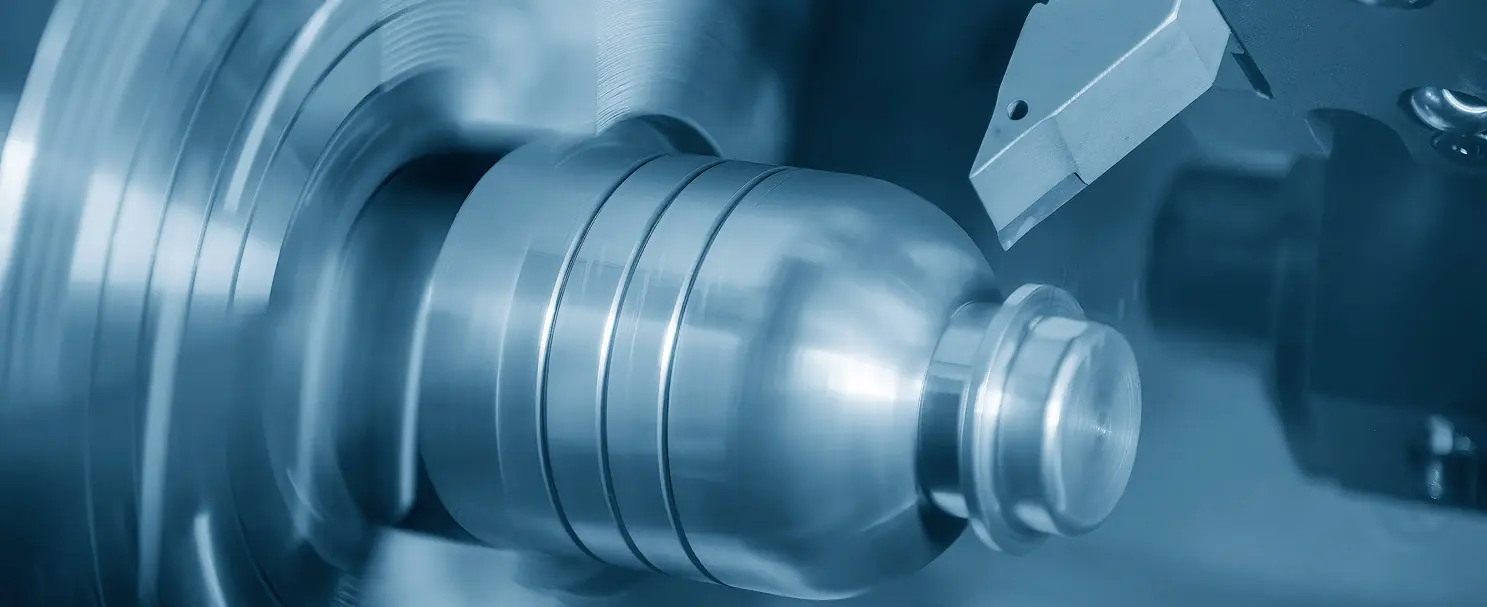
TiCN-based cermet cutting inserts for finish-machining of steel parts, providing clean surface finishes and chemical wear resistance.
View Range →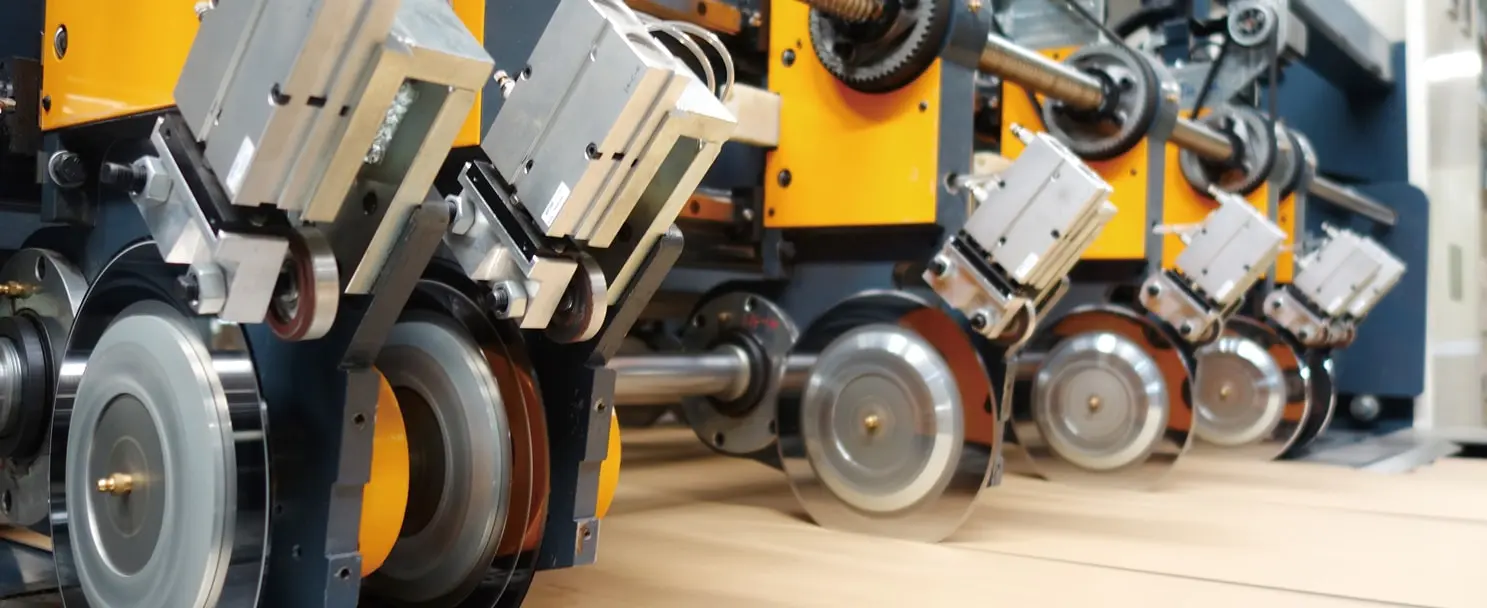
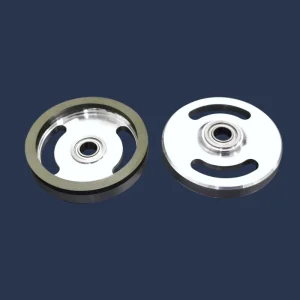
Industry-leading thin carbide scorer and slitting blades, paired with specialized diamond grinding stones for automatic sharpening.
View Range →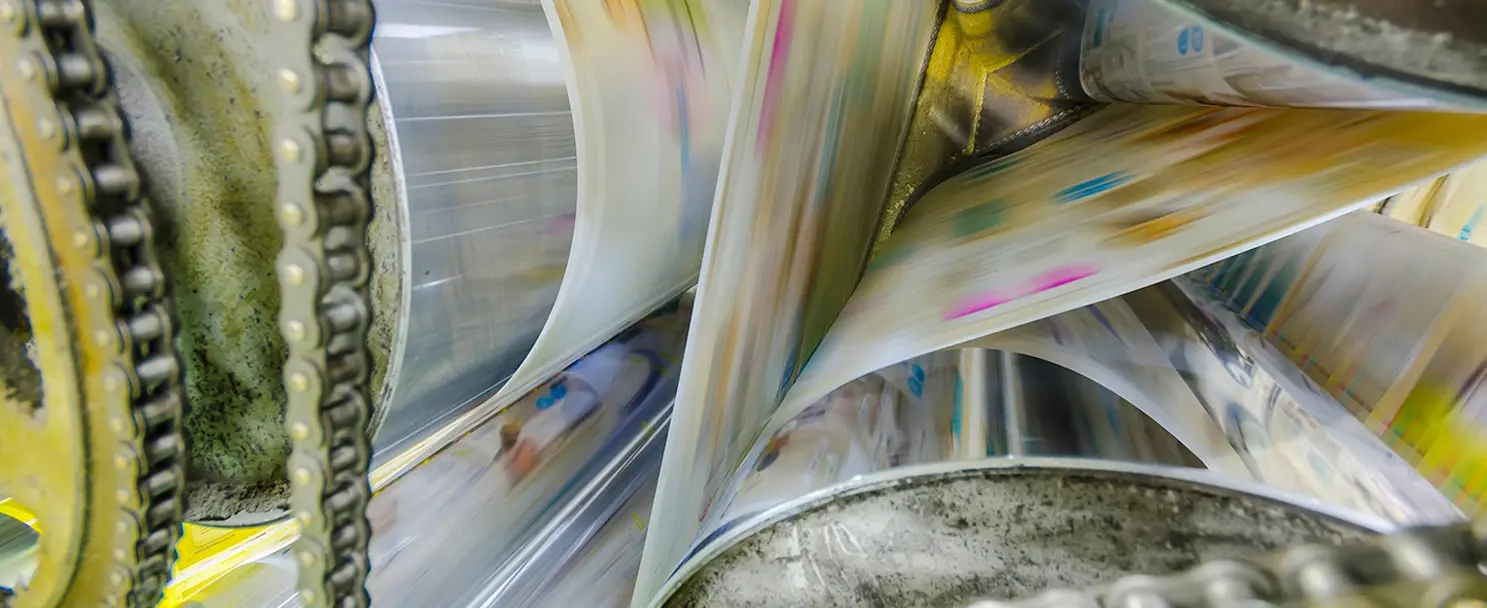
Wear-resistant guillotine knives, perforation blades, and slitters treated with anti-adhesion and corrosion-resistant finishes.
View Range →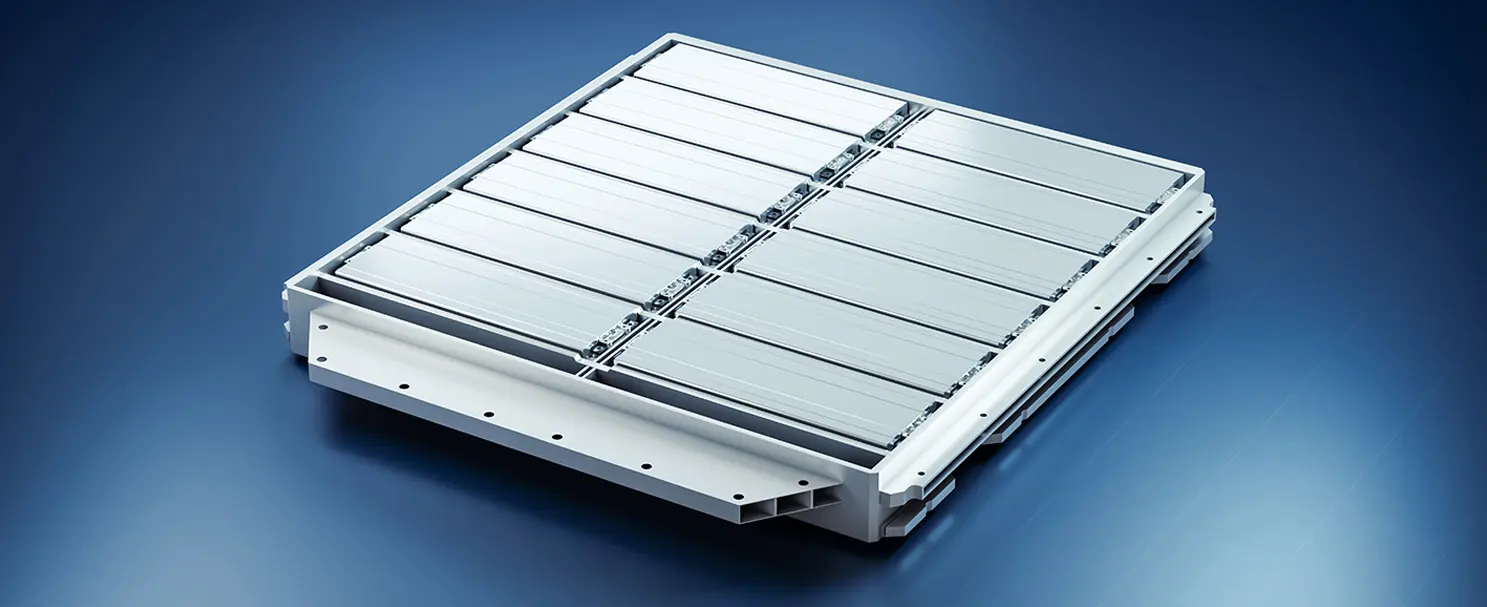
Premium electrode slitting knives featuring mirror-polished cutting edges to prevent notch formation and slurry adhesion.
View Range →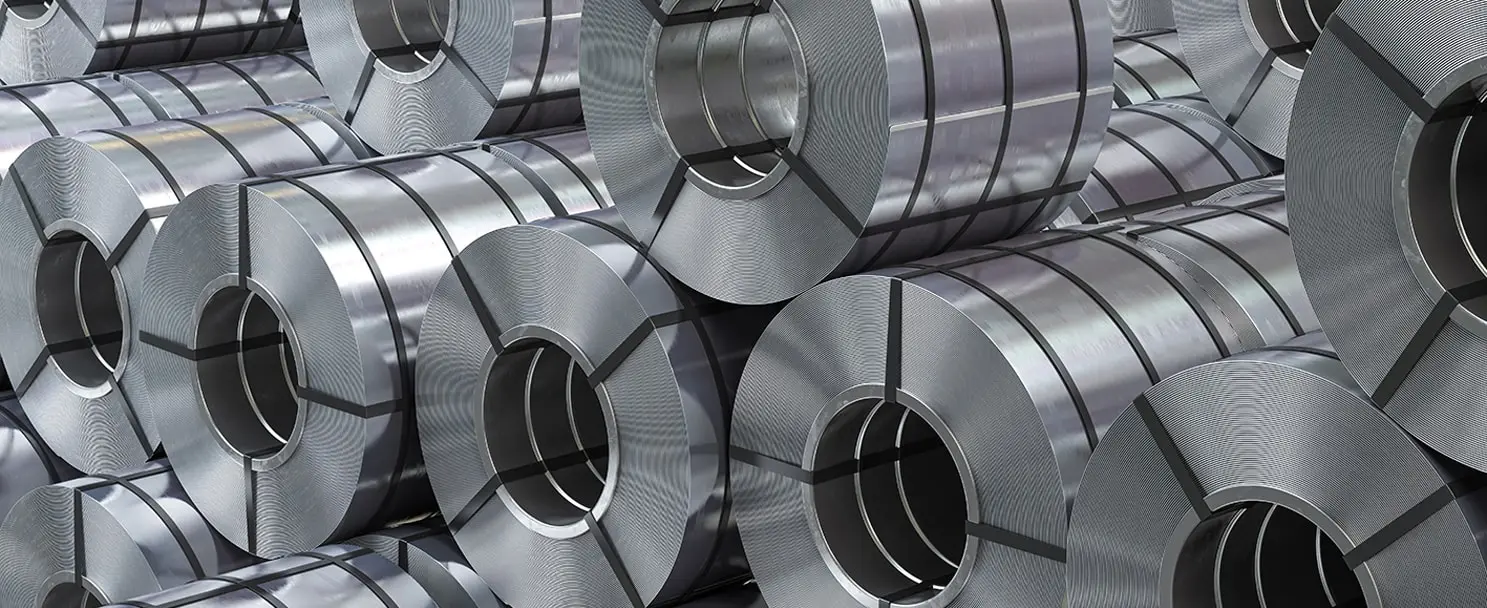
High-precision coil slitting shears exported to global markets for processing silicon steel sheets and non-ferrous foils.
View Range →Since 1998, Shen Gong has committed to delivering reliable, professional, and durable industrial knives, backed by responsive engineering and lifecycle support.
Manufactured under strict ISO-certified quality management to ensure batch-to-batch consistency. Send us your drawings or samples, and we handle the technical design and volume production.
More than a blade supplier. Our engineering team analyzes your raw materials, cutting parameters, and machine setups to design optimized slitting configurations.
We perform microscopic metallurgical evaluations, checking grain distribution, binder composition, and wear characteristics to resolve premature blade failure.
Supporting resource circularity. We offer technical evaluations, regrinding support, and eco-friendly carbide reclamation programs to reduce your tooling costs.
Our technical sales and engineering departments operate globally, providing multi-language product support and RFQ responses within 24 hours.
Through long-term partnerships with leading global shipping carriers, we guarantee secure packaging and reliable, fast delivery to your plant.
Analyzing the cost efficiency, advanced production processes, and quality controls of Shen Gong's manufacturing facility in Chengdu.
Shen Gong's production facility in Chengdu, China, functions as a highly integrated, digital manufacturing ecosystem. While many blade suppliers source ready-made carbide blanks from external vendors, we maintain complete control over the chemical and physical characteristics of our alloys. Our vertical integration begins with the raw chemical elements: mixing high-purity tungsten oxide, cobalt binder phases, and grain growth inhibitors (such as chromium carbide and vanadium carbide). This control over raw material composition enables us to customize carbide grades to match specific application demands, balancing wear resistance with impact toughness.
Our Factory 4.0 initiative incorporates automated multi-axial CNC grinding machines, robotic loading arms, and automated optical inspection (AOI) equipment. Profile dimensions, flatness, and outer-diameter concentricity are continually monitored using laser interferometers and digital vision systems, ensuring batch-to-batch consistency. Operating within a vertically integrated supply chain enables Shen Gong to mitigate global price shocks and raw material volatility, passing those cost savings directly to our customers and ensuring short lead times for high-volume orders.
To qualify as a Tier-1 supplier for global industrial machinery, our quality assurance lab conducts multiple tests on every manufacturing run:
A strategic breakdown for procurement teams seeking to optimize tooling costs, manage supply chain risks, and verify manufacturing standards.
For global procurement managers, selecting industrial blades involves evaluating the Total Cost of Ownership (TCO) rather than initial purchase price alone. An inexpensive, low-quality blade that requires frequent changes increases machinery downtime, lowers output, and risks damaging expensive raw materials. Partnering with a vertically integrated manufacturer like Shen Gong helps procurement teams reduce TCO through extended blade lifecycles, less machine downtime, and predictable replacement cycles.
Furthermore, our engineering team works with procurement partners under Non-Disclosure Agreements (NDAs) to design custom tooling solutions. This custom approach ensures that replacement blades match the original machinery specifications, providing a secure, high-performance alternative to OEM-branded parts.
| Procurement Metric | Standard OEM Sourcing | Shen Gong Integrated Sourcing | Strategic Benefit |
|---|---|---|---|
| Initial Tooling Cost | High (due to brand markups) | Optimized (direct factory pricing) | Reduces annual capital expenditure |
| Blade Wear & Lifetime | Standard performance | 20% to 50% longer life (via custom grades) | Decreases tool replacement frequency |
| Custom Design Adaptation | Limited (standard profiles only) | Full custom engineering (RTP-to-blade) | Optimizes blade geometry for specific materials |
| Supply Chain Risk | Multi-tiered subcontracting | Vertically integrated in-house production | Ensures reliable delivery and quality control |
Stay updated on the latest developments in industrial knives, manufacturing technology, and company events.
 Feb 12, 2026
Dear Valued Partners and Customers, As the New Year approaches, we would like to take this opportunity to thank you for your continued trust. Please note our holiday schedule...
Read Article →The global manufacturing recovery and growing demand in emerging sectors are driving shifts in the supply and pricing of key raw materials like tungsten carbide. Learn how we are managing these changes...
Read Article →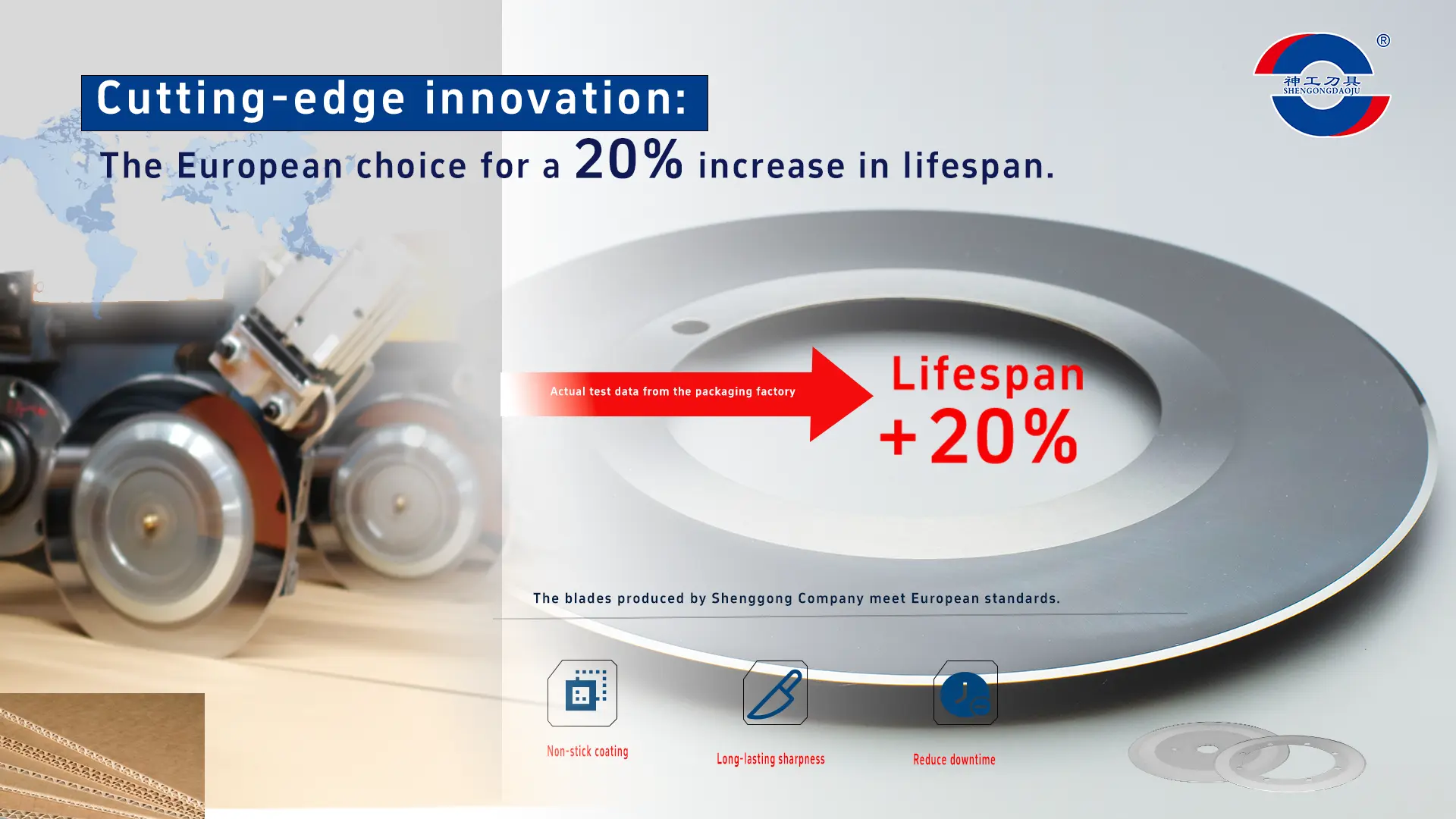 Jan 03, 2026
A leading European packaging plant experienced a 20% increase in tool life after switching to Shen Gong's high-precision corrugated slitting blades, reducing cutting dust and blade changes...
Read Article →Meeting international quality, environmental, and regional support standards to secure global operations.
Shen Gong operates in compliance with international environmental regulations, including RoHS and REACH directives. We ensure that our raw material sourcing is ethically managed, and we monitor our processes to prevent conflict mineral usage. This compliance is essential for our partners in the automotive, electronics, and medical device manufacturing industries who require full supply chain transparency.
Additionally, our global footprint is supported by a localized logistics and customer care network. Recognizing that complex applications often require hands-on support, we provide remote engineering consultations, field wear analysis, and local regrinding partnerships. This support structure helps minimize shipping times and maintains blade sharpness throughout the tooling lifecycle.
Get answers to common technical, material, and logistical questions regarding Shen Gong's industrial blades.
Review our catalog of custom slitting knives, profiling tools, and sharpening accessories engineered for continuous industrial operations.


 Shen Gong Carbide