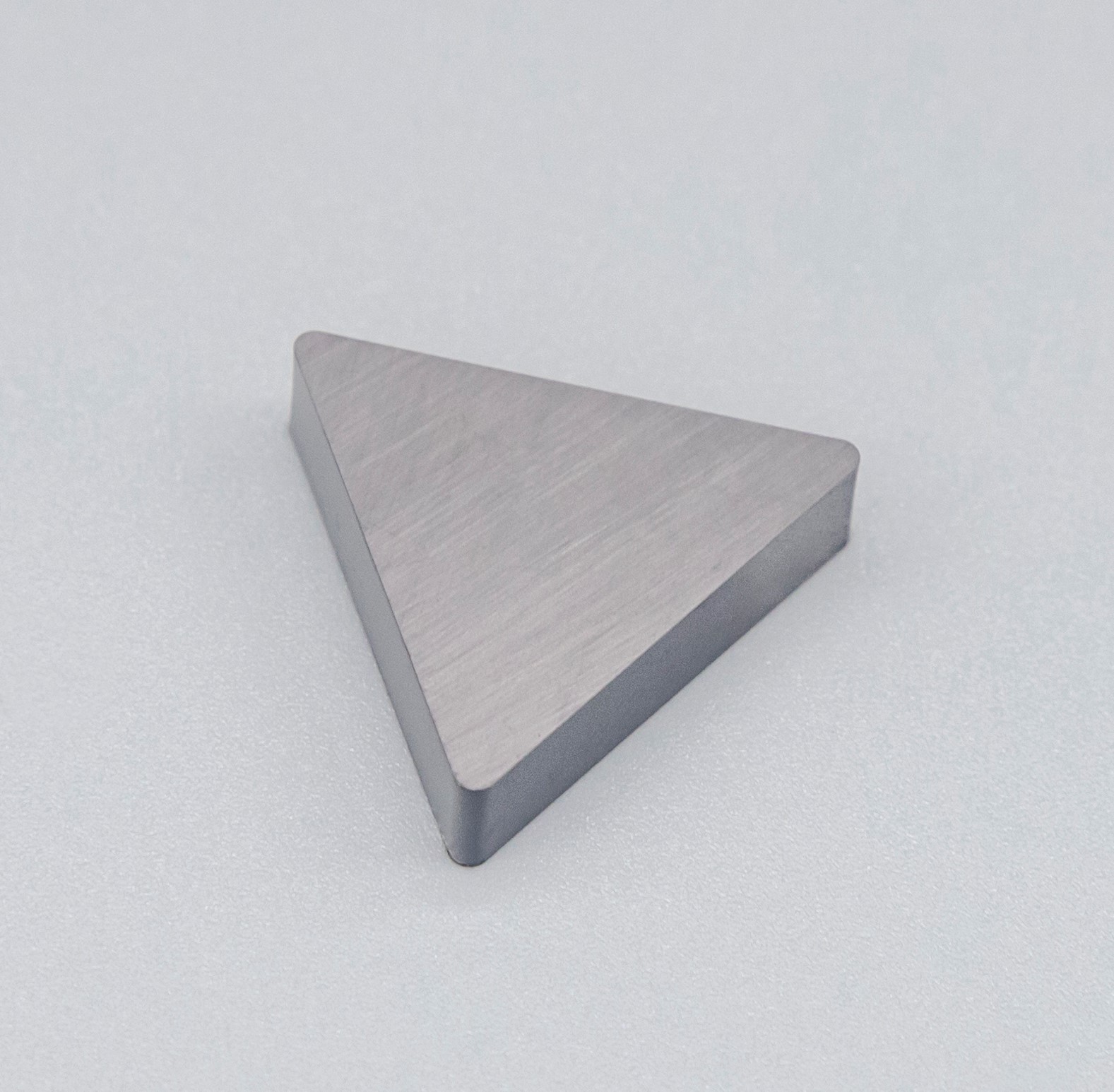
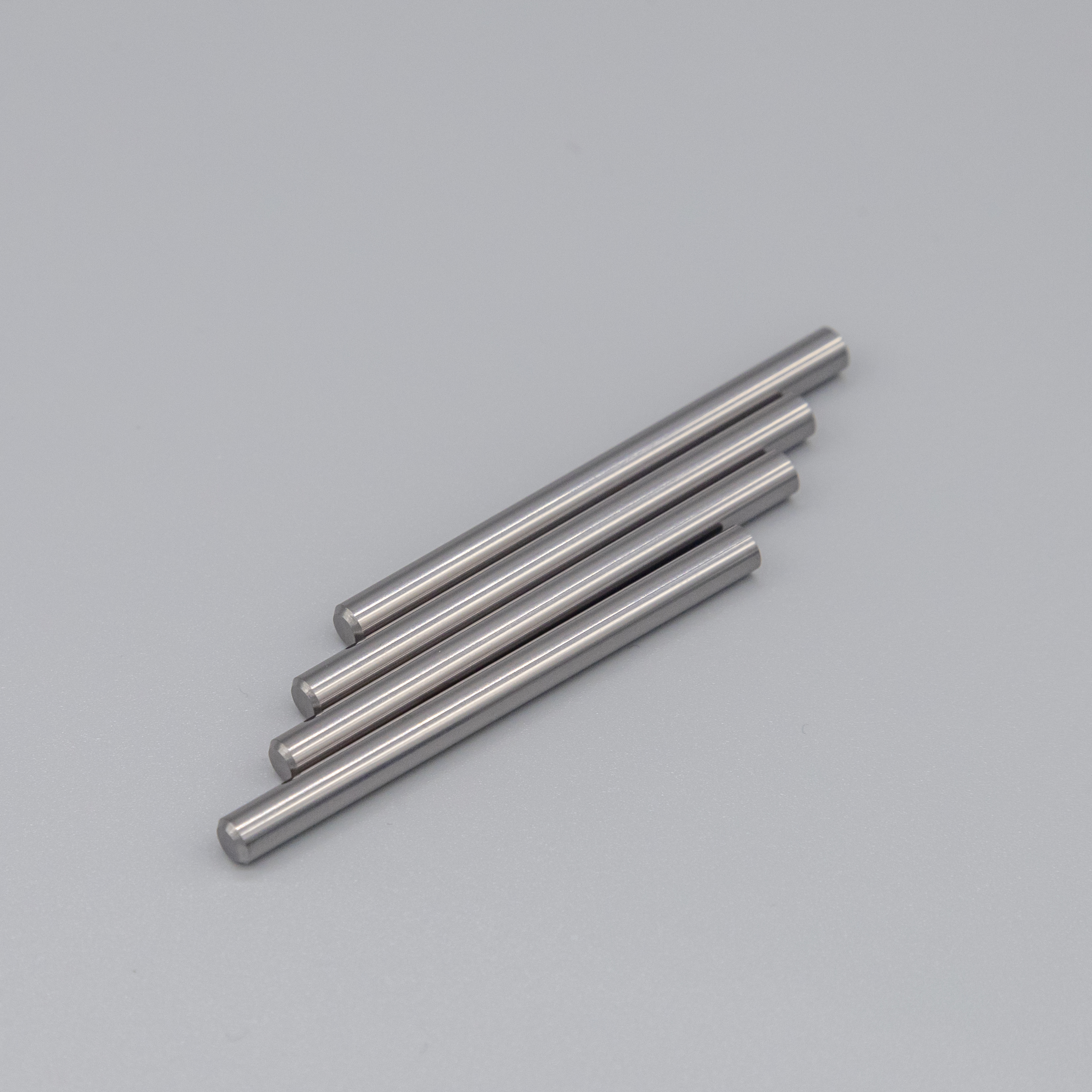
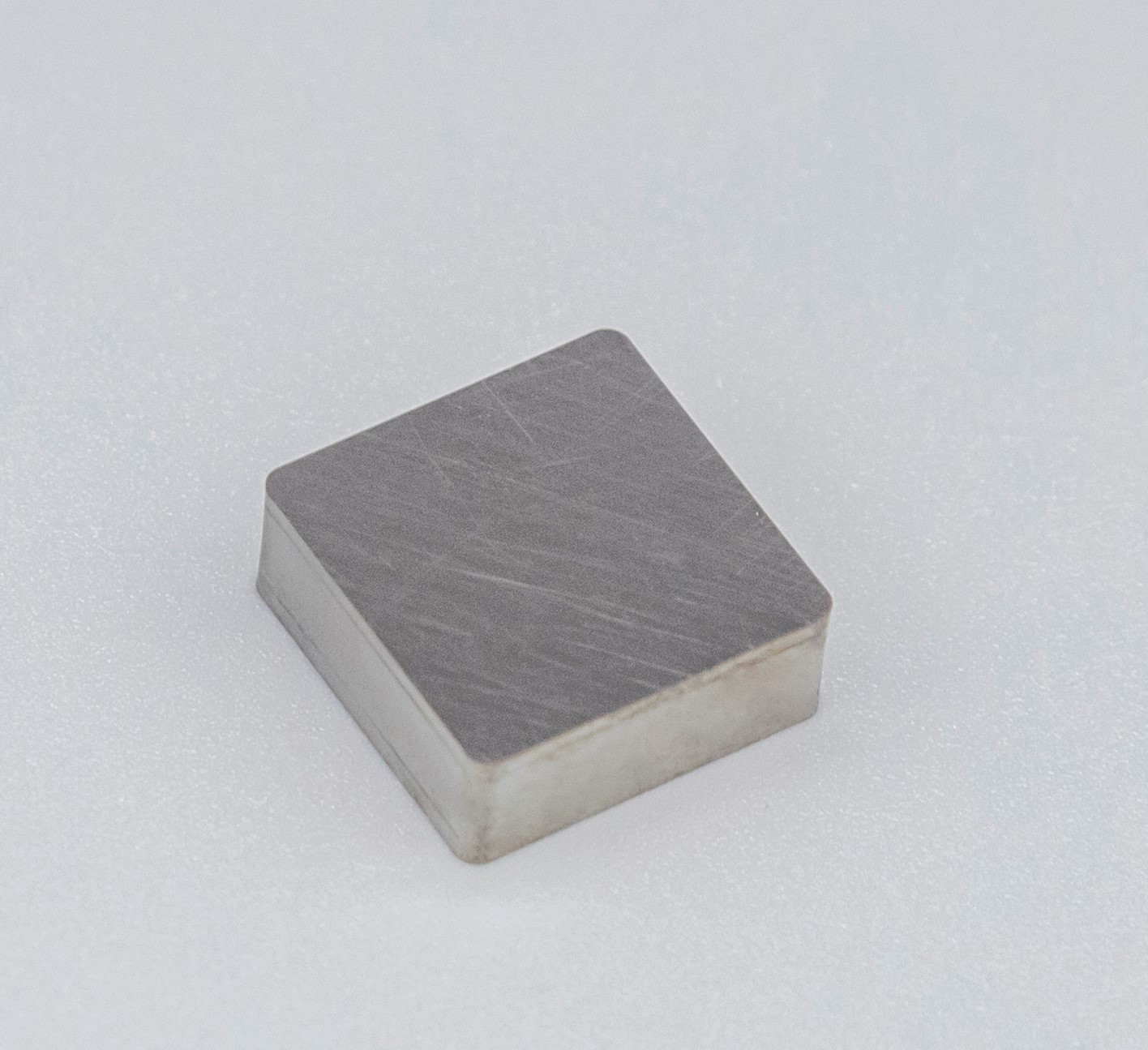
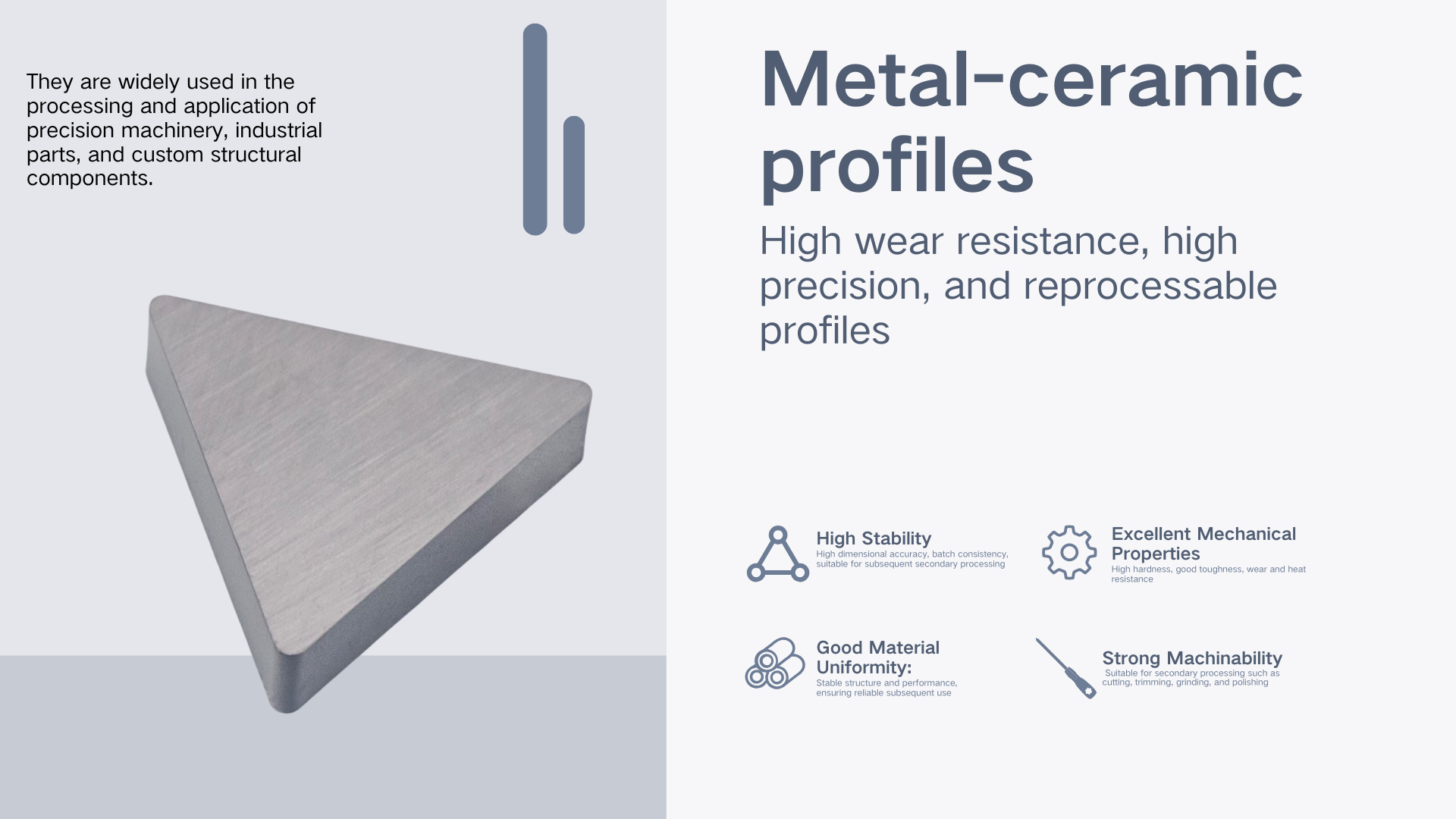
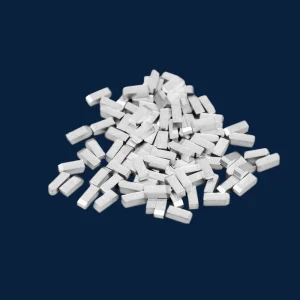
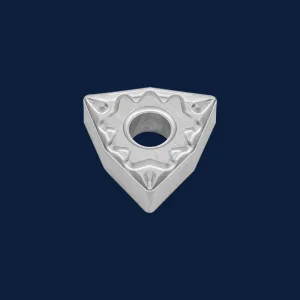
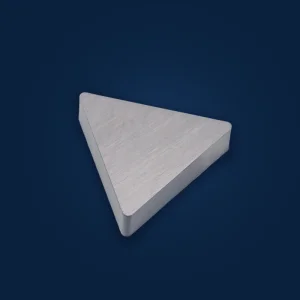
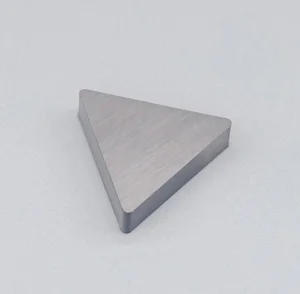
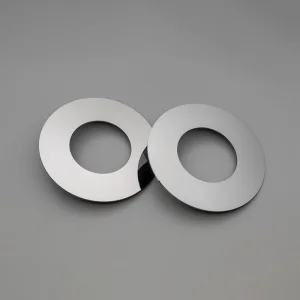
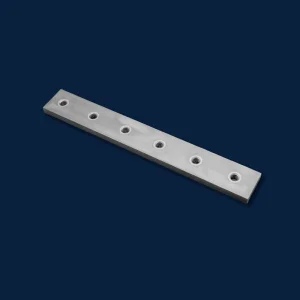
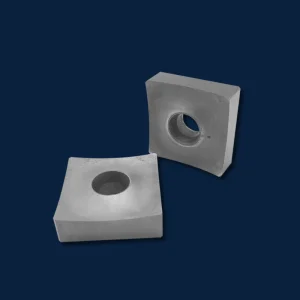
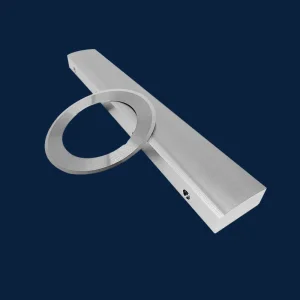
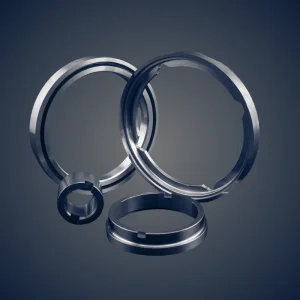
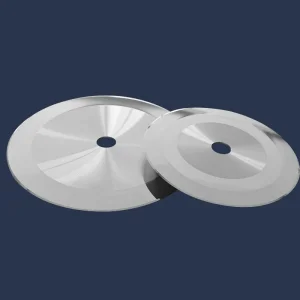
Utilizing a metal-ceramic composite material that combines hardness and toughness, a fully controlled production process—from raw material proportioning to blank pressing, sintering, molding, and quality inspection—ensures batch-to-batch performance uniformity and stability in subsequent processing and use. Through advanced production processes introduced by Japanese engineers, combined with independent research and development, large-scale, high-precision, and stable production is achieved, enabling the production of various profile cross-sections, including standard and non-standard complex cross-section profiles.
Key Features
High Stability
High dimensional accuracy, batch consistency, suitable for subsequent secondary processing.
Mechanical Properties
High hardness, good toughness, wear and heat resistance.
Strong Machinability
Suitable for secondary processing such as cutting, trimming, grinding, and polishing.
Material Uniformity
Stable structure and performance, ensuring reliable subsequent use.
Large-Scale Capability
Controllable entire process, meeting batch production needs.
Typical Applications
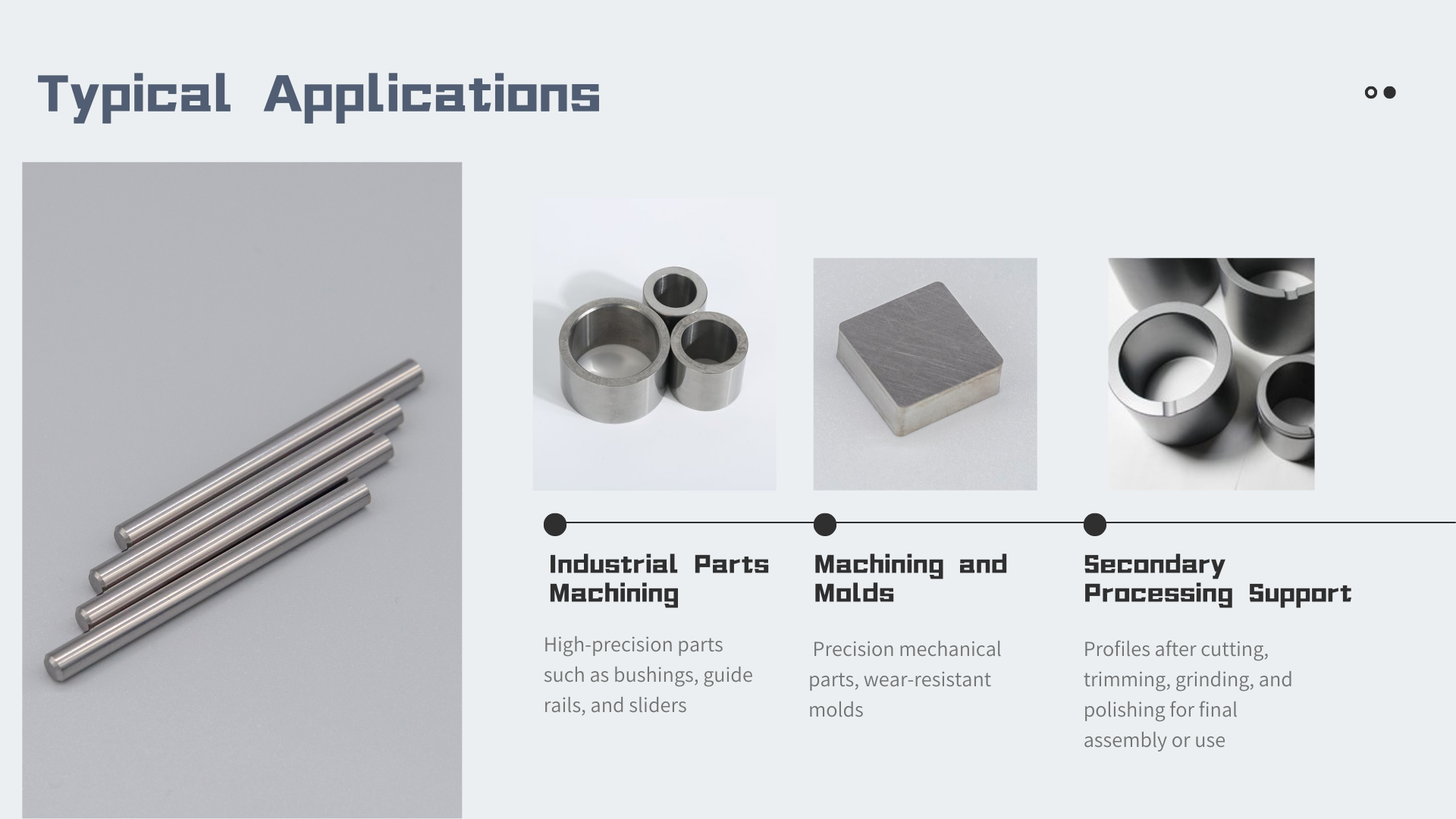
Industrial Parts Machining: High-precision parts such as bushings, guide rails, and sliders.
Machining and Molds: Precision mechanical parts, wear-resistant molds.
Electronic and Optical Components: Electronic structural components requiring high dimensional and surface stability.
Custom Profile Sections: Non-standard or complex cross-section profiles to meet special industrial applications.
Secondary Processing Support: Profiles after cutting, trimming, grinding, and polishing for final assembly or use.
Frequently Asked Questions
Q1 Why is the initial material condition so important for secondary processing?
Because metal-ceramic profiles are not end-use components; they must undergo secondary cutting or polishing. If the material condition is unstable initially, problems like uneven cutting resistance or abnormal wear will be amplified during subsequent processing.
Q2 What practical benefits does material stability bring to actual production?
Stability brings predictability. Material behavior changes gradually and consistently, allowing operators to accurately predict tool wear, plan tool changes, and maintain consistent cutting parameters for automated production.
Q3 How does this material affect tool life during secondary cutting?
When material response is consistent, tools experience less load fluctuation, less adhesive wear, and fewer sudden edge failures. This extends tool life in a controllable and repeatable manner.
Q4 Does material consistency contribute to improved dimensional accuracy?
Yes. Due to the uniform material response, the cutting process maintains stable cross-sectional dimensions, consistent burr formation, and predictable surface finish, reducing the need for rework.
Q5 What are the primary material properties of these profiles?
The profiles utilize a metal-ceramic composite that effectively combines high hardness with excellent toughness, offering superior wear and heat resistance for industrial applications.
Q6 Are you able to produce non-standard or complex profiles?
Yes, the production process is capable of creating various profile cross-sections, including both standard shapes and complex, non-standard custom profiles to meet specific industrial requirements.
 Shen Gong Carbide