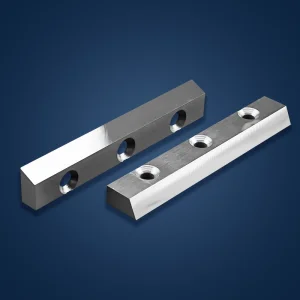
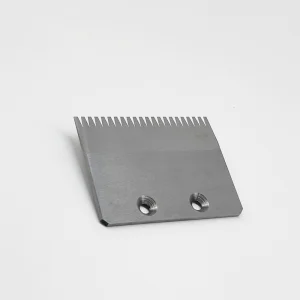
Explore our engineering portfolio featuring high-precision industrial knives optimized for elite slitting, milling, and granulating mechanisms across diverse global manufacturing sectors.
A Technical Assessment of Tungsten Carbide Microstructures, High-Toughness Matrices, and Dynamic Polymers Size Reduction Infrastructure.
The contemporary macro-economic environment dictates an aggressive transition toward a highly circular polymer economy. Driven by strict regulatory ESG frameworks, global municipal mandates, and volatile petrochemical supply chains, the capacity demands for post-consumer and post-industrial mechanical recycling systems have surged exponentially. Central to this infrastructure are industrial scrap granulators and raw reduction systems. The performance of these operations hinges on a critical variable: the operational longevity, structural integrity, and cutting precision of the engineered cutting edges.
Across processing facilities in North America, Western Europe, and Asia-Pacific, size reduction systems must endure unprecedented stress cycles. Processing aggressive engineering polymers like unwashed PET bottle flakes, abrasive glass-filled polyamides, elastic thermoplastic elastomers (TPEs), and heavy polyolefin post-industrial purge blocks imposes intense mechanical loads. Standard high-carbon tool steels face rapid abrasive degradation under these conditions. This creates a clear economic demand for advanced material formulations—specifically engineered tungsten carbide composites and specialized heat-treated alloys that can maintain edge sharpness over prolonged production runs.
Information Gain Metric: Production data shows that shifting from standard D2 tool steel to premium sub-micron tungsten carbide matrices can extend tool life by up to 400% in high-abrasion environments, reducing maintenance downtime by nearly three quarters.
Developing industrial knives capable of processing highly irregular polymeric scrap streams requires precise microstructural balancing. At Sichuan Shen Gong Carbide Knives Co., Ltd., our metallurgical engineers optimize two key properties: hardness (wear resistance) and fracture toughness (chipping resistance). Standard materials compromise on one of these metrics; our customized sub-micron and nano-grained tungsten carbide (WC) configurations deliver high performance on both fronts simultaneously.
By controlling the grain size distribution of the WC phase and blending it with optimized cobalt (Co) or nickel-chromium (Ni-Cr) binder matrices, we produce granulator inserts with exceptional structural density. The binder phase acts as a tough energy-absorbing network around the hard tungsten carbide grains. This prevents micro-cracks from developing into catastrophic edge failures during high-velocity impacts with thick plastic purges or accidental metal contaminants.
Fine-grained microstructures increase cutting edge density, preventing fine micro-chipping along the primary bevel even when processing abrasive, mineral-filled polymers.
Precisely calibrated binder ratios provide excellent impact damping, allowing blades to absorb high energy loads without structural deformation.
Optional titanium-based thin-film coatings reduce surface friction, lowering localized heat generation and preventing melted polymers from adhering to the knife edge.
A premium metallurgical composition must be paired with precise geometry to maximize efficiency. The primary and secondary clearance angles of a granulator knife determine its structural stability and shearing mechanics. Improper angle design accelerates tool wear and increases fines and dust generation, causing material loss and raising fire hazards in the facility.
Our custom manufacturing process utilizes multi-axis CNC grinding systems to control edge profiles within tight tolerances. This allows processing facilities to maintain minimal, consistent clearance gaps between rotor and stator blades. Clean shearing reduces the mechanical energy required for granulating, directly lowering the electrical consumption of high-horsepower motor drives.
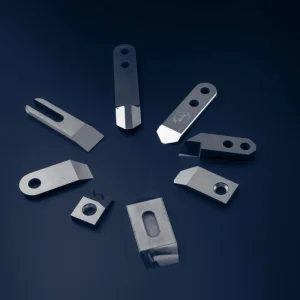
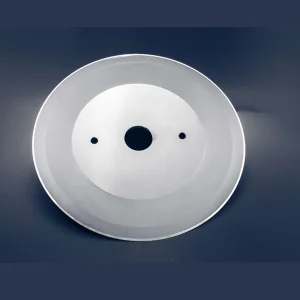
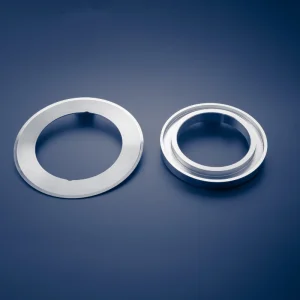
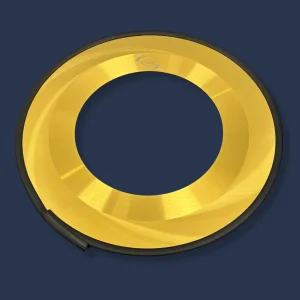
Carbide blades engineered for high-performance industrial slitting, cutting, and size-reduction processes across multi-sector applications.
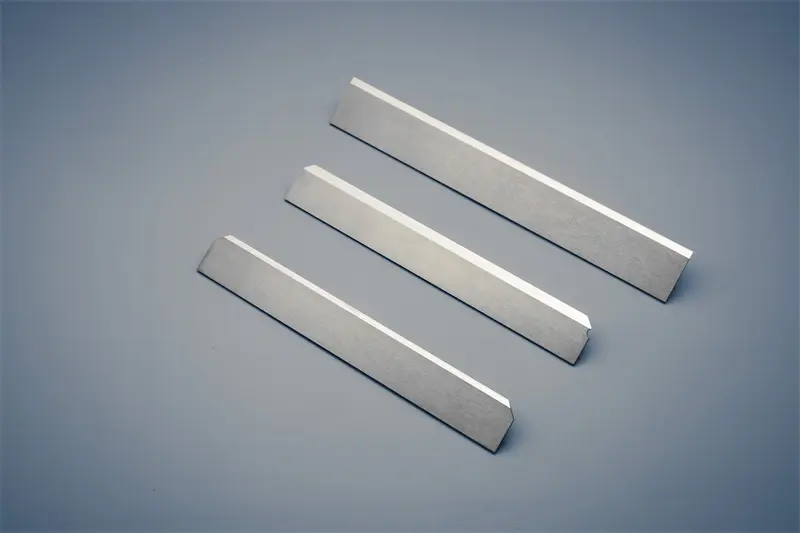
High-precision edge stability for synthetic filaments.
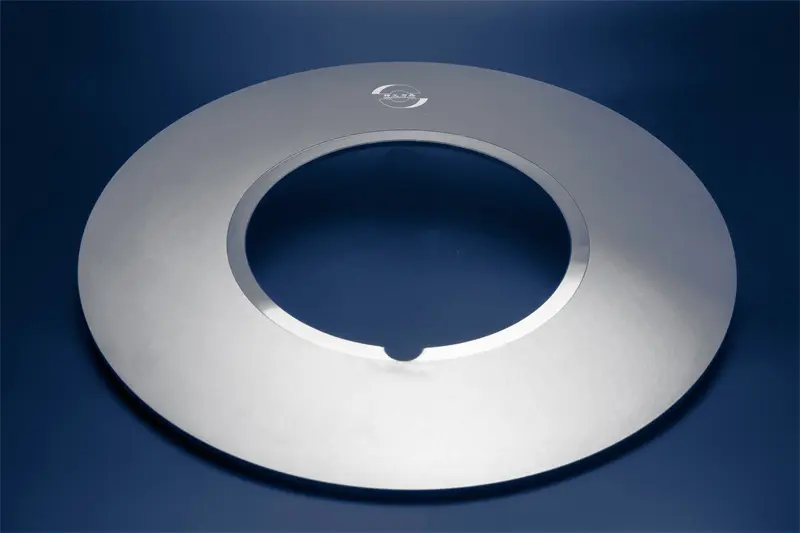
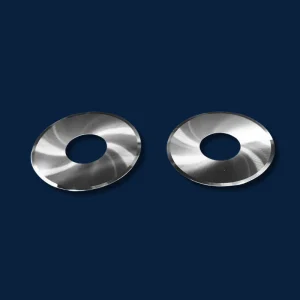
Engineered for ultra-thin non-ferrous foils and sheets.
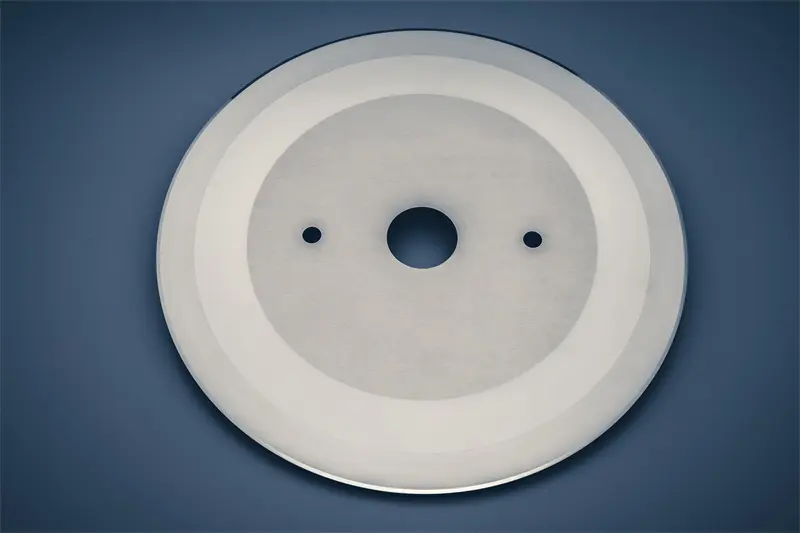
Industry-leading operational lifespans for paperboard lines.
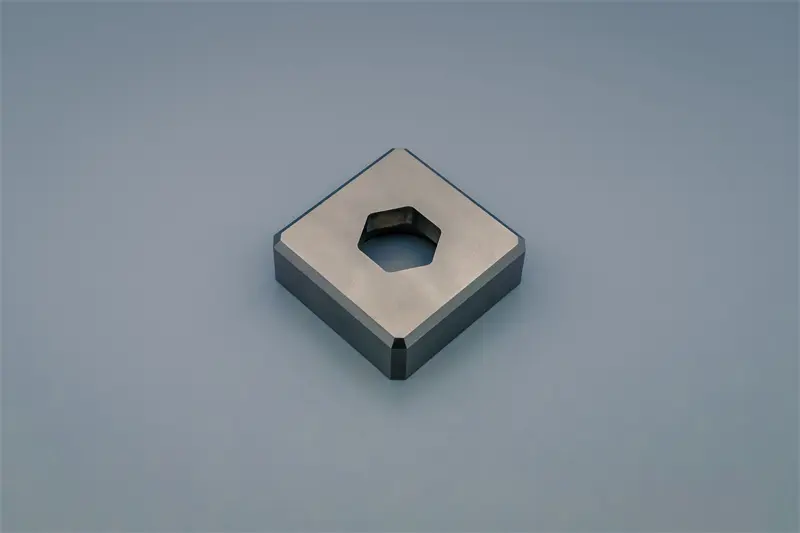
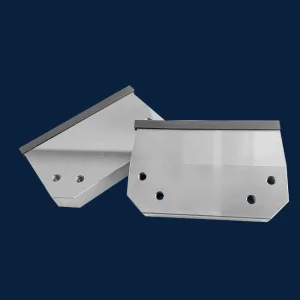
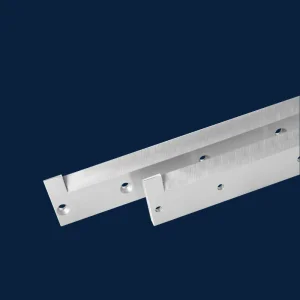
High-impact resistant profiles for scrap granulation.
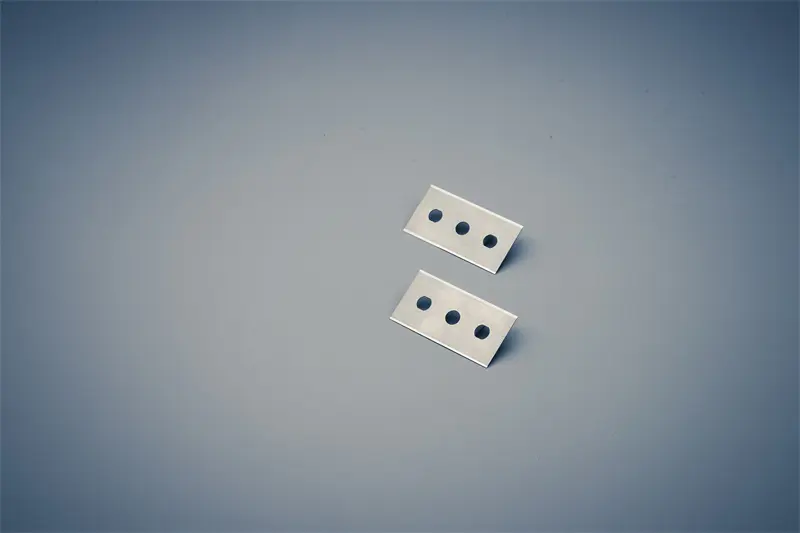
Mirror-finish edges for flash-free thin film slitting.

Zero-notch requirements preventing particle detachment.
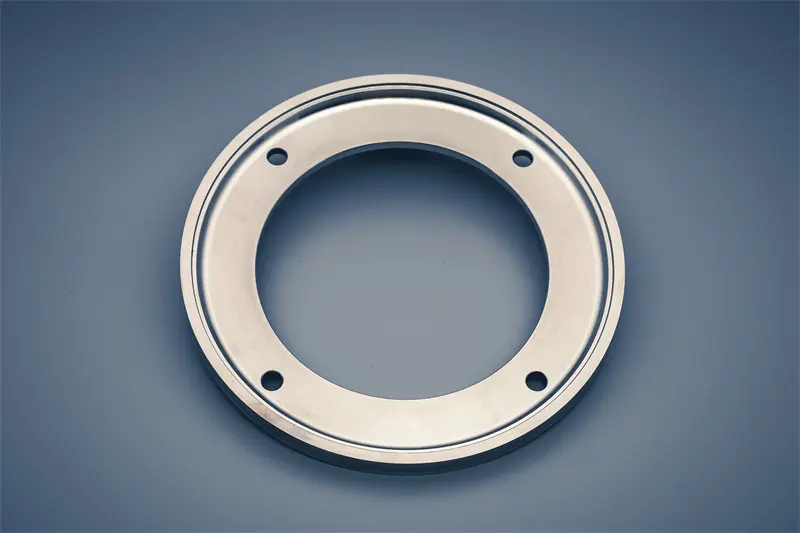
Perfect concentricity matching for multi-spindle assemblies.
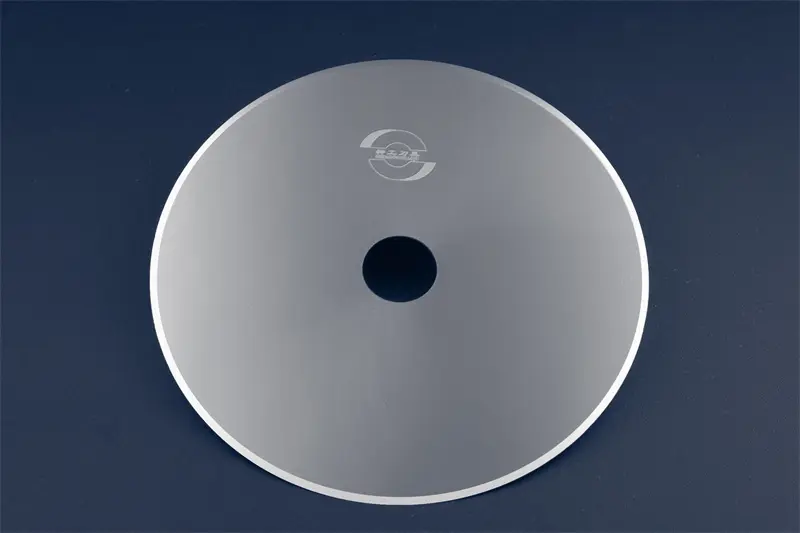
Burr-free clean separation for multi-layer composite media.
MAKE SHARP EDGE ALWAYS IN REACH
Established in 1998 in Chengdu, Sichuan Province, China, Sichuan Shen Gong Carbide Knives Co., Ltd. has developed over more than two decades from a localized engineering workshop into a recognized high-tech enterprise. Our operations focus on the research, development, metallurgical synthesis, and precision execution of cemented carbide industrial blades and cutting systems.
Our integrated manufacturing facility handles the entire production process from start to finish. We control every stage of production, beginning with Ready-To-Press (RTP) tungsten powder preparation, continuing through computer-controlled vacuum sintering, and ending with multi-axis CNC ultra-precision profile grinding. This end-to-end oversight ensures consistent metallurgical uniformity across every production batch.
We maintain an engineering culture focused on continuous development. Our material sciences division creates customized solutions tailored to specific industrial environments, helping processing plants optimize cutting efficiencies worldwide.

Since 1998, SHEN GONG has grown into an ISO9001 certified industrial knife manufacturer. Throughout our journey, we’ve focused on one core objective: providing durable industrial knives across diverse application sectors. Striving For Excellence, Forging Ahead With Determination.

Manufacturing is conducted under strict ISO quality control protocols to ensure batch-to-batch consistency. Customers provide specifications or physical component masters, and our team handles the replication process.

Our engineering division looks beyond the individual cutting tool. We design integrated slitting systems, optimize shear clearances, and select material grades to address specific complex processing challenges.

We offer technical diagnostics, profile micro-mapping, and metallurgical scanning to assess wear mechanics, identify failure points, and optimize tool geometries.

We support resource conservation by offering precision re-sharpening services and material reclamation programs for qualified tungsten carbide tool assemblies.

Our multilingual sales and technical engineering support teams review and respond to configuration inquiries within 24 hours.

Through global logistics agreements, we coordinate expedited shipping of replacement parts and custom configurations to major industrial regions.
Providing specialized cutting tool designs configured for the specific operating conditions and material characteristics of major manufacturing industries.
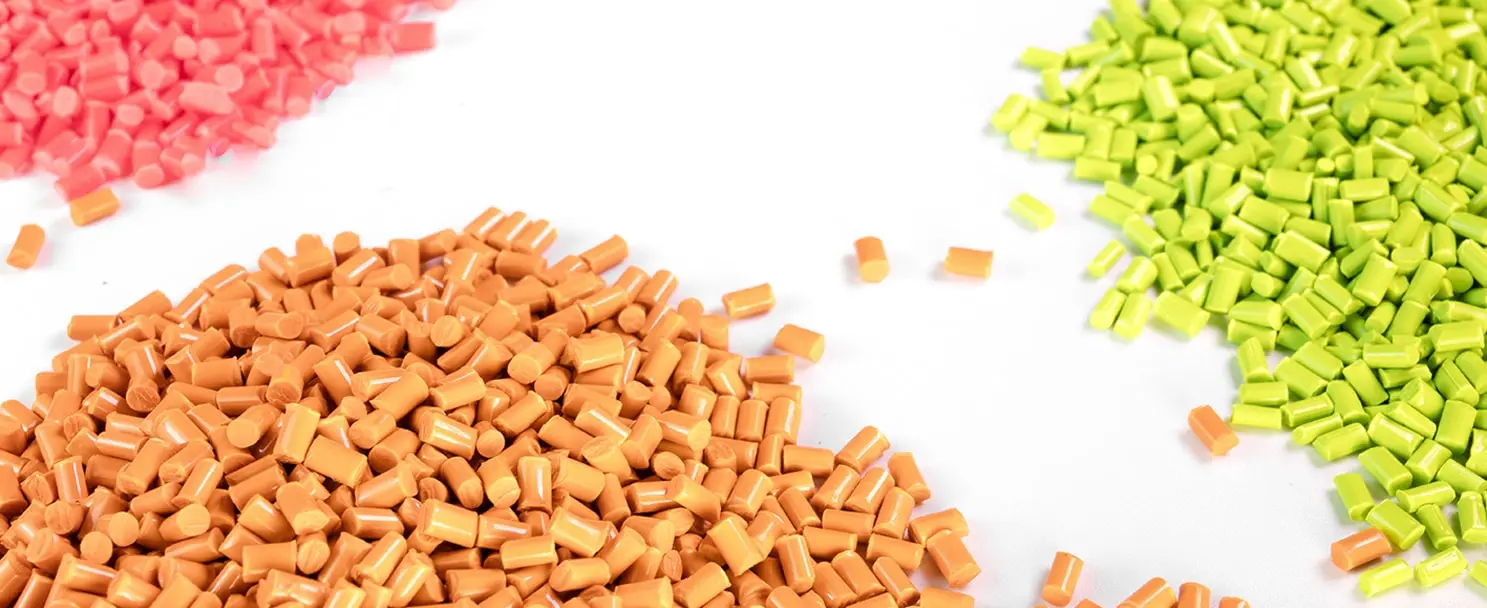
Our high-toughness carbide materials are engineered for pelletizing knives used in virgin polymer production and shredder blades configured for post-consumer waste streams.

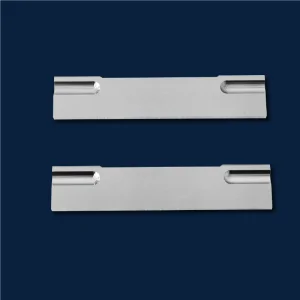
We manufacture razor assemblies for cutting synthetic filaments and non-woven textiles, focusing on edge straightness, profile symmetry, and polished surface finishes.
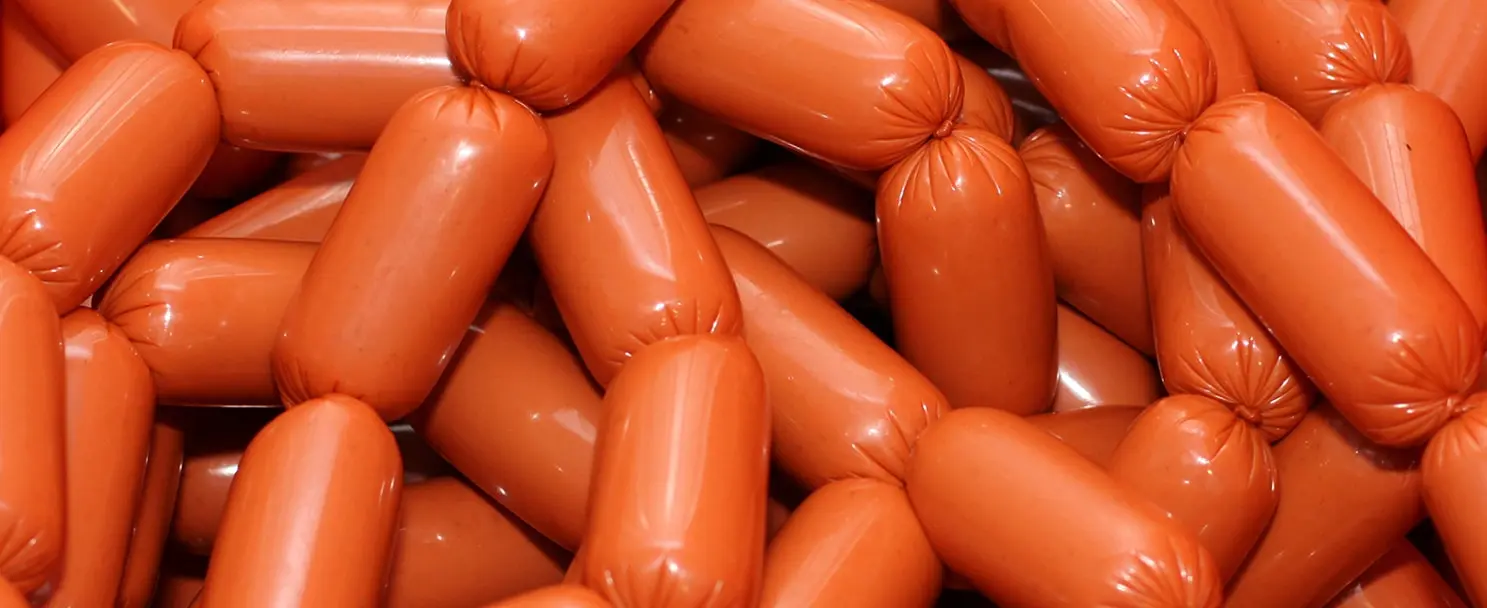
We produce industrial knives configured for size reduction, milling, and grinding applications across commercial food processing lines.

We manufacture precision micro-blades and custom cutting components for specialized medical device assembly processes.
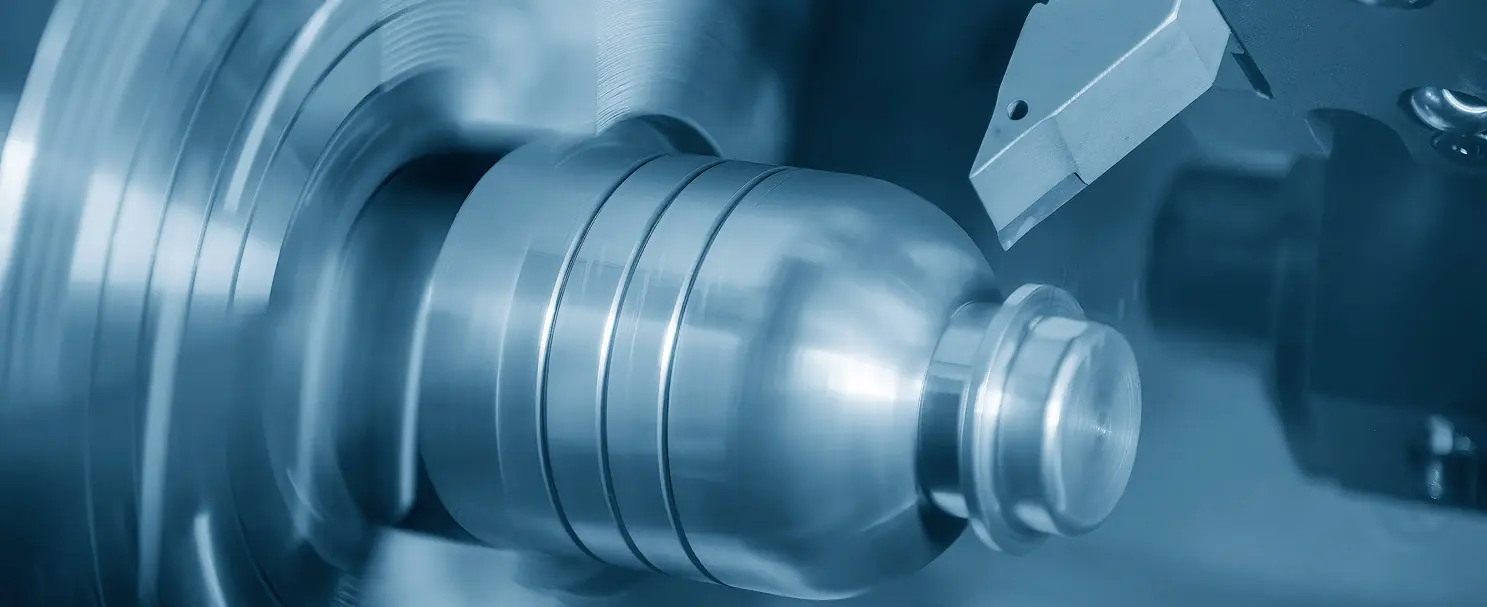
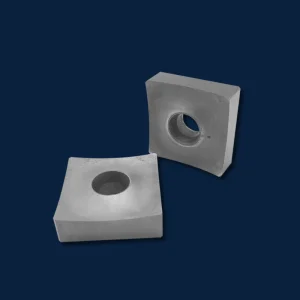
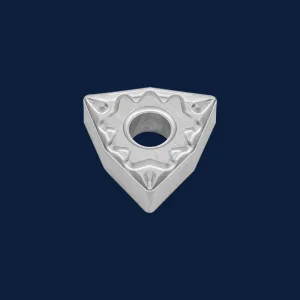
We supply TiCN-based cermet finishing inserts engineered for metal turning operations, designed to minimize chemical affinity with ferrous substrates and ensure clean surface finishes.
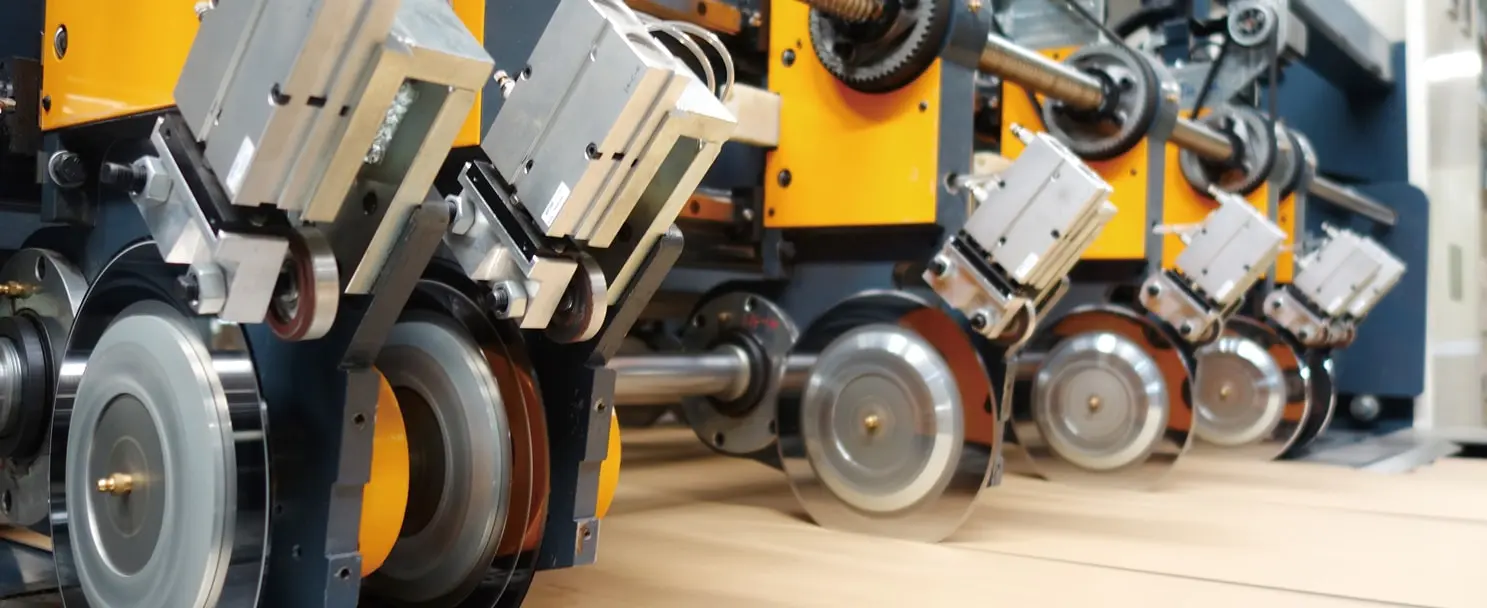
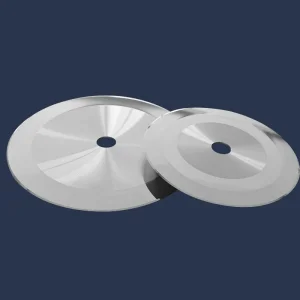
As a global producer of corrugated slitter scorer knives, we supply industrial facilities with primary cutting discs, sharpening wheels, and cross-cut blade assemblies.
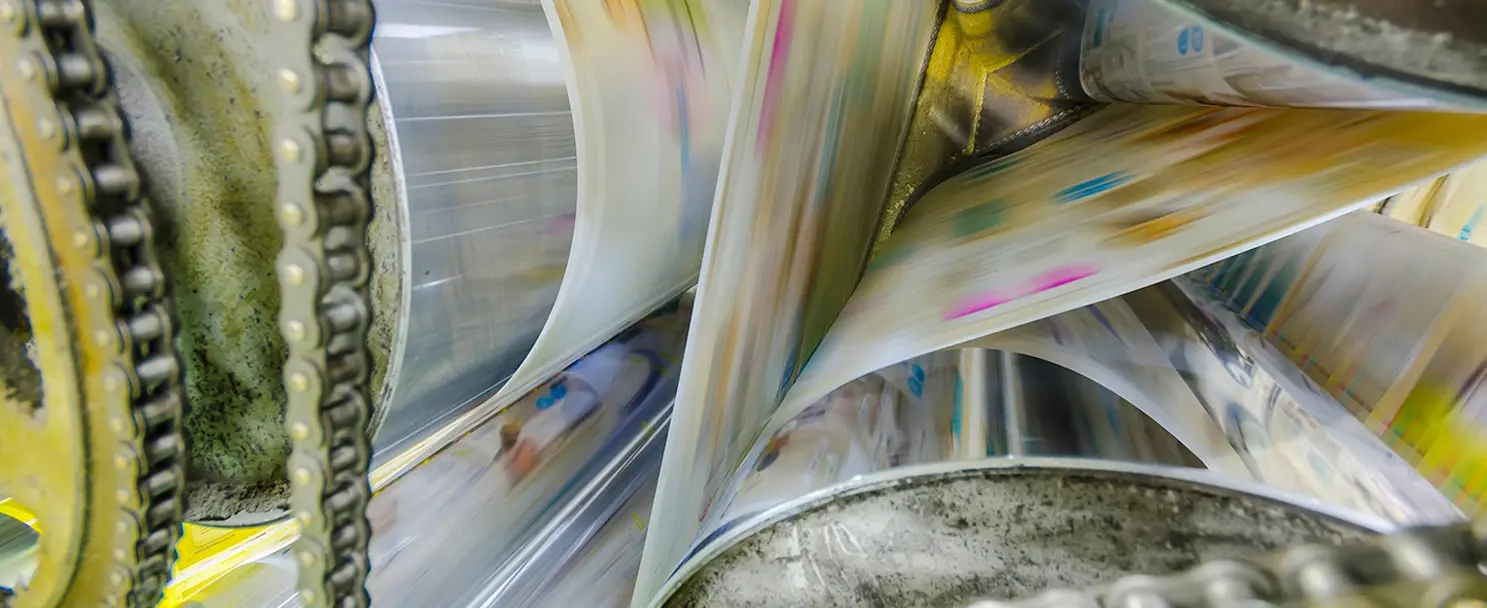
Our advanced carbide materials are designed to resist adhesive build-up and corrosion on high-speed industrial paper-converting equipment.
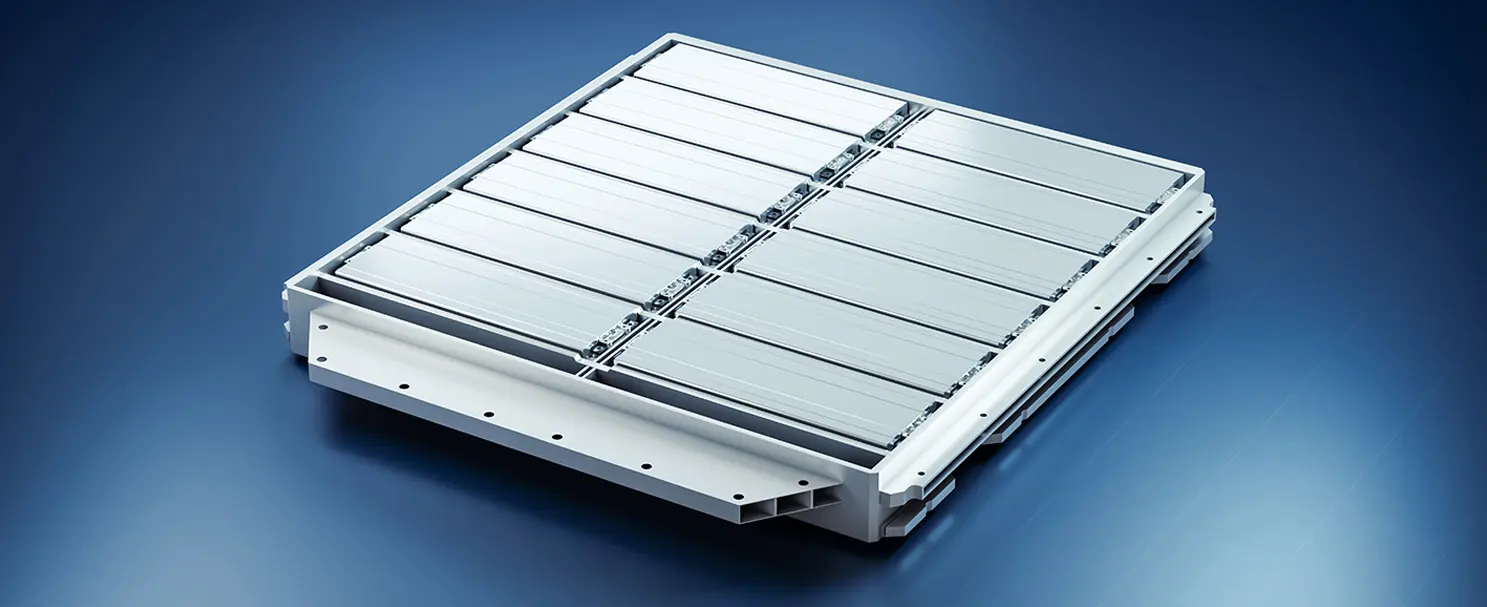
We develop high-precision slitting knives engineered for battery electrode coating lines, finishing edges to minimize micro-notches and help prevent material adhesion during cutting.
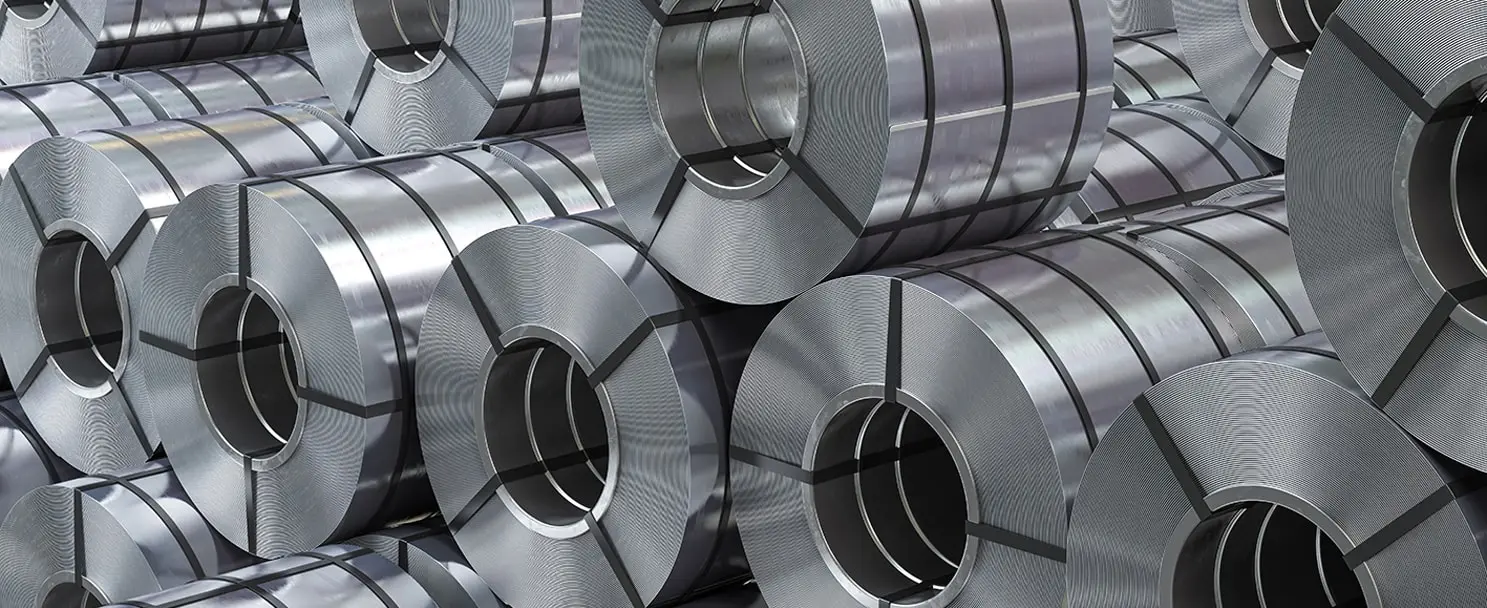
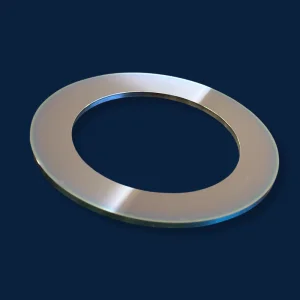
Our shear slitting knives are used in coil processing lines, particularly for slitting silicon steel sheets for electric motor production and non-ferrous foil substrates.
A reference matrix designed to help diagnostic engineers identify wear factors, optimize blade settings, and minimize maintenance downtime.
| Observed Failure Mode | Primary Root Cause | Sichuan Shen Gong Preventative Engineering Resolution |
|---|---|---|
| Rapid Bevel Abrasion | High concentration of abrasive additives like mineral fillers or glass fibers in the polymer matrix. | Transition to ultra-fine sub-micron WC matrices with low binder content to maximize abrasive wear resistance. |
| Edge Micro-Chipping | High impact loads from rigid polymer blocks or accidental ferrous contamination entering the hopper. | Integration of structural shock-absorbing cobalt matrices paired with optimized, robust secondary clearance bevels. |
| Polymer Adhesion / Smearing | Frictional heat build-up at the cutting edge causing low-melting-point polymers to soften and stick. | Precision mirror-polishing of the blade face (edge roughness Ra < 0.02μm) or application of low-friction PVD coatings. |
| High Fines Generation | Excessive cutting gap clearance between rotor and stator blades causing material tearing rather than clean shearing. | Precision grinding of blade profiles to within ±0.005mm, allowing tight, consistent machine adjustments. |
As polymer recycling facilities increase processing capacities, size-reduction machinery must operate under higher loads. Next-generation processing lines require tools designed for greater thermal stability and wear resistance. Our ongoing research focuses on multi-component nano-composite formulations and controlled cryogenic tempering treatments to improve structural durability.
These material advancements are paired with data-driven preventive maintenance strategies. Monitoring edge degradation patterns allows operators to schedule blade changes during planned downtime, preventing sudden tool failures and supporting continuous, high-capacity recycling operations.
Performance updates and engineering notices regarding advanced cutting applications across regional manufacturing operations.
Dear Valued Partners and Customers, As the New Year approaches, we would like to take this opportunity to thank you for your continued trust and support. Please note our facility schedule for the upcoming holiday period...

The global manufacturing sector continues to evolve. Changes in emerging markets are driving shifts in the supply and demand for key raw materials like tungsten carbide. Our team remains committed to stable component supply chains...
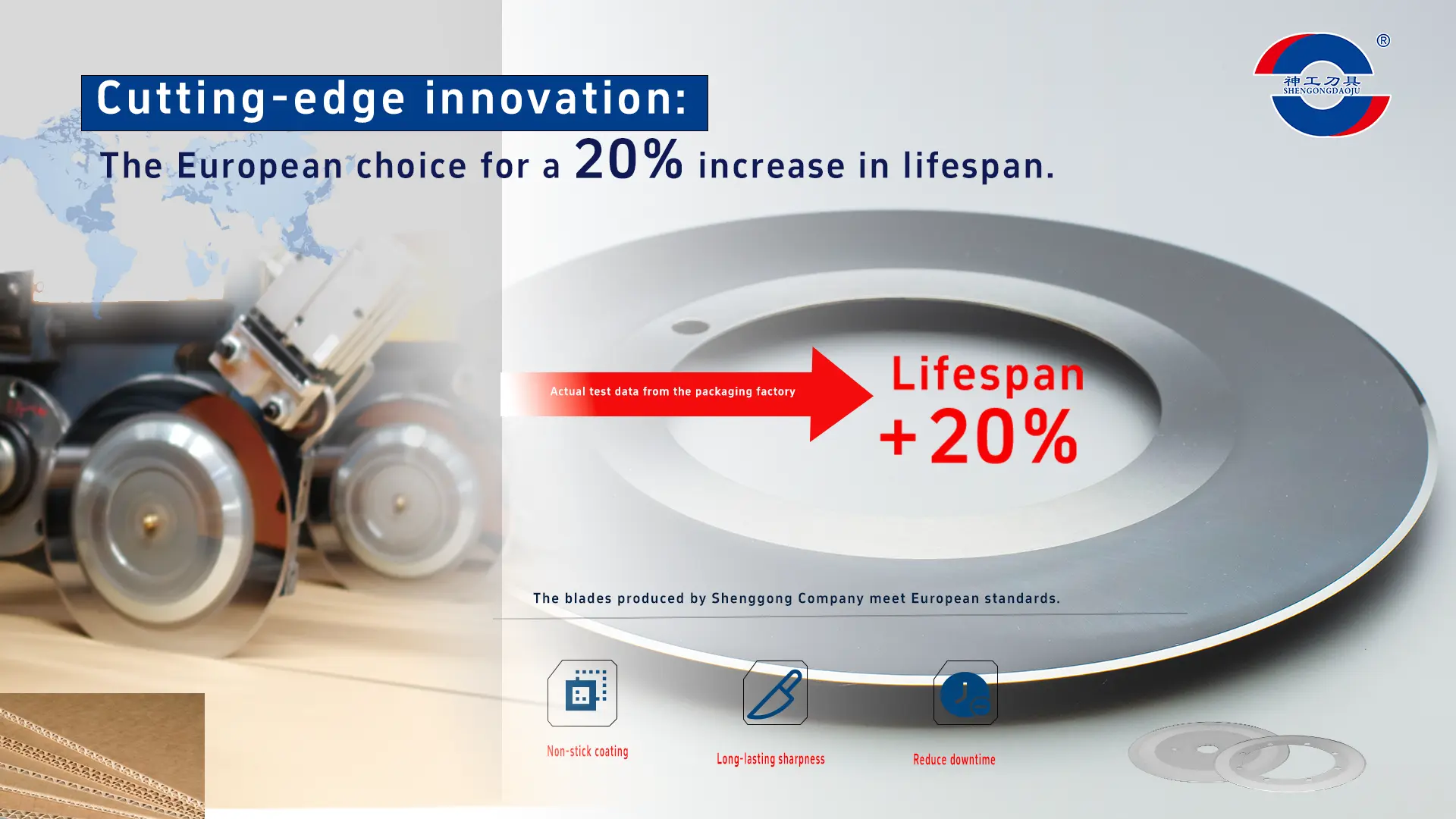
A manufacturing facility in Europe reported a measurable increase in operational life on high-speed slitting lines processing multi-layer corrugated cardboard after converting to our custom carbide slitting components, reducing blade replacement frequencies...
Technical guidance regarding material selection, geometric configuration, and wear optimization for industrial size-reduction equipment.
Review our verified product configurations designed for high-precision industrial cutting, slitting, and processing installations.
 Shen Gong Carbide